
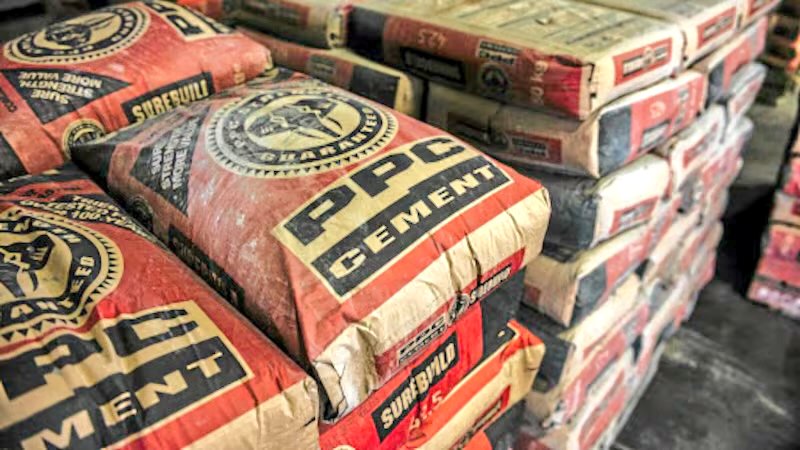
The Ministry of Industry and Commerce has moved decisively to address the temporary cement shortages, outlining a clear and confident strategy that reflects the Second Republic’s commitment to maintaining economic stability while safeguarding consumers. The Ministry explains that the current pressures stem from a convergence of regional and domestic factors, including a widespread clinker shortage, scheduled maintenance at Sino Zimbabwe, and unexpected breakdowns at PPC and Lafarge. These challenges emerged at a time when Zimbabwe’s construction sector is expanding at an unprecedented pace, with national cement demand now almost three times higher than in 2017 – a direct reflection of the infrastructure boom driven by President Mnangagwa’s development agenda. Rather than signalling a structural problem, the temporary shortage underscores the scale of economic activity and the speed at which the country is developing.
More …
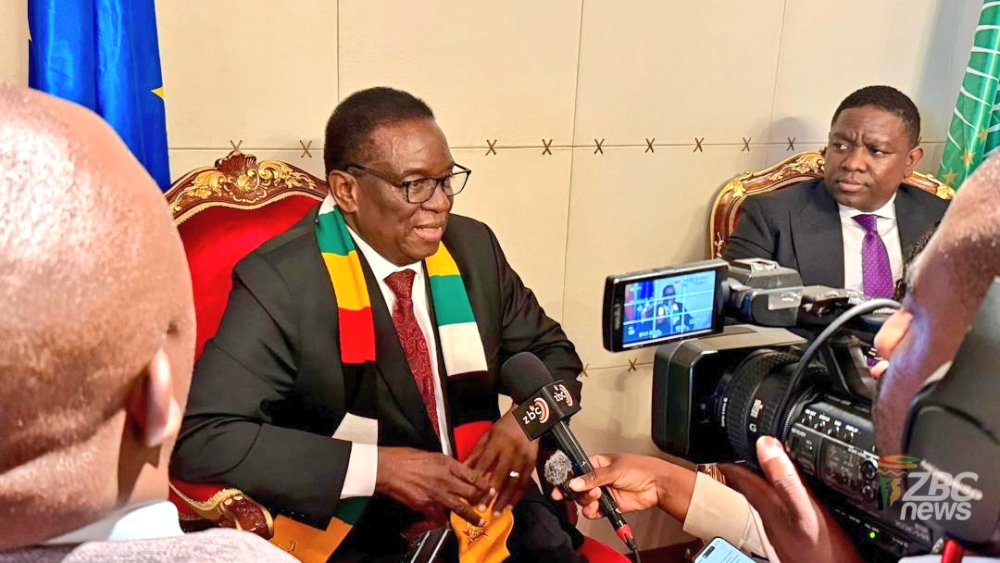
President E.D Mnangagwa has delivered a decisive and unambiguous message that marks a turning point in Africa’s approach to its natural endowments. His remarks signal not just a national stance but a continent-wide awakening: Africa will no longer permit its mineral treasures to be spirited away without producing real, measurable benefits for its own people.
In framing this new posture, President E.D Mnangagwa aligns himself with the emerging intellectual and political consensus across Africa – a recognition that the historic model of extraction, where foreign interests carted away raw materials for a fraction of their true value, was a structural trap that stunted development and entrenched dependency. That era, he asserts, is firmly behind us. More …
Nov 25, 2025
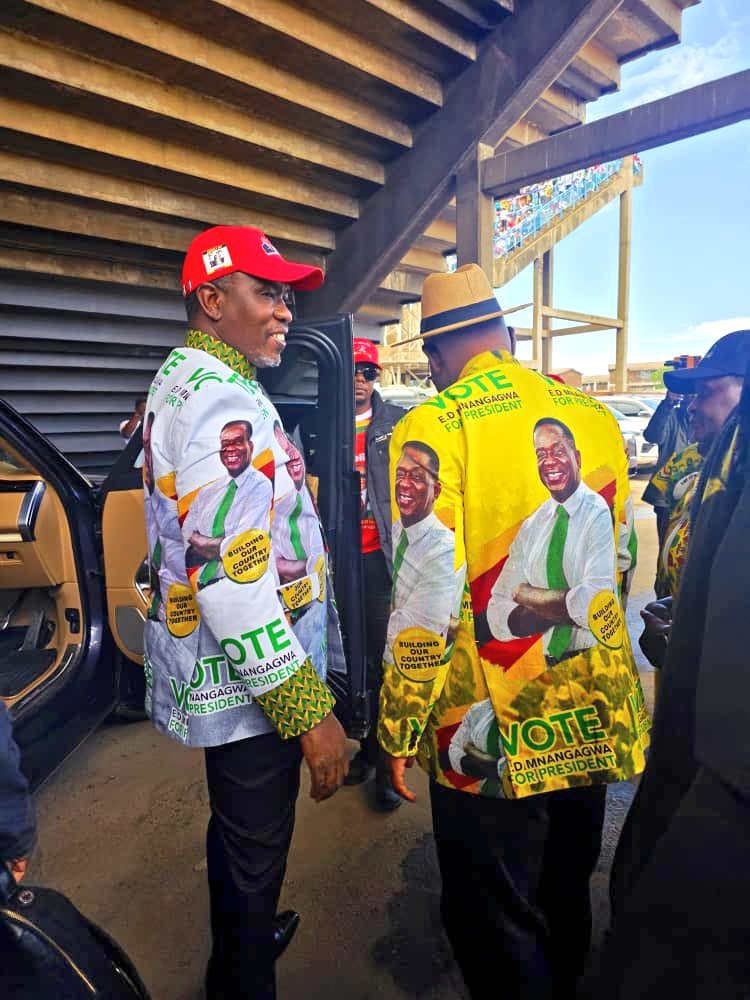
Under the direction of H.E. President E.D. Mnangagwa, Harare’s DCC 6 structures have been earmarked for an unprecedented package of empowerment and community upliftment initiatives, reflecting the Second Republic’s commitment to tangible development. Cde Kudakwashe Tagwirei served as the emissary delivering the President’s commitments to the district.
To strengthen party organs and grassroots structures, US$450,000 has been allocated by the President, with the Main Wing, Women’s League, Youth League and War Veterans each receiving US$112,500. In keeping with the President’s philosophy of inclusive development, persons with disabilities in DCC 6 will receive US$50,000 in targeted support. More …
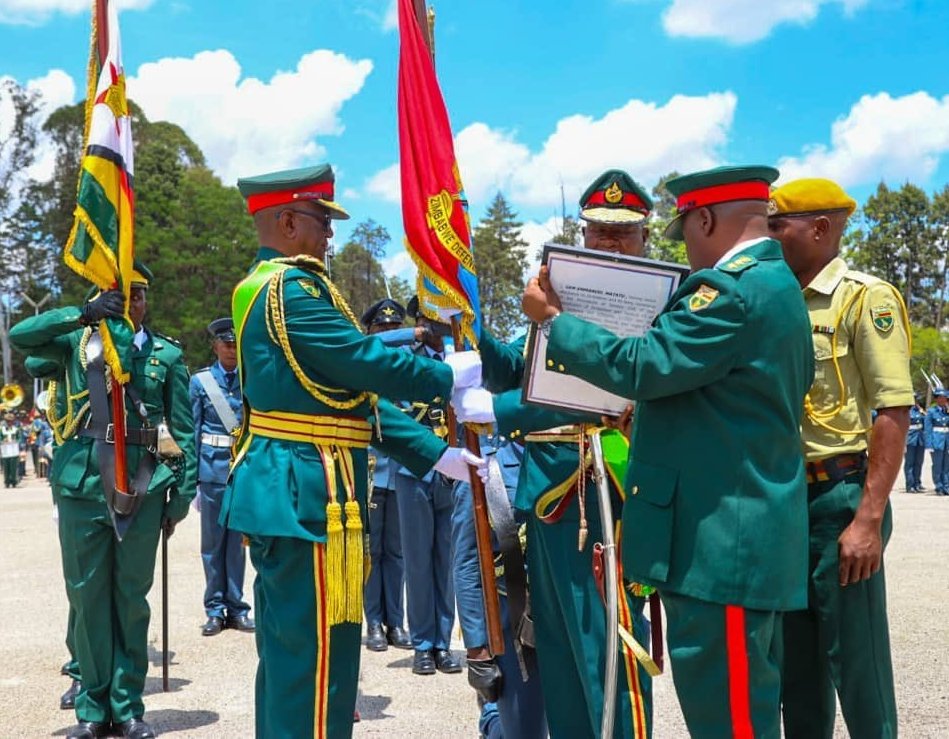
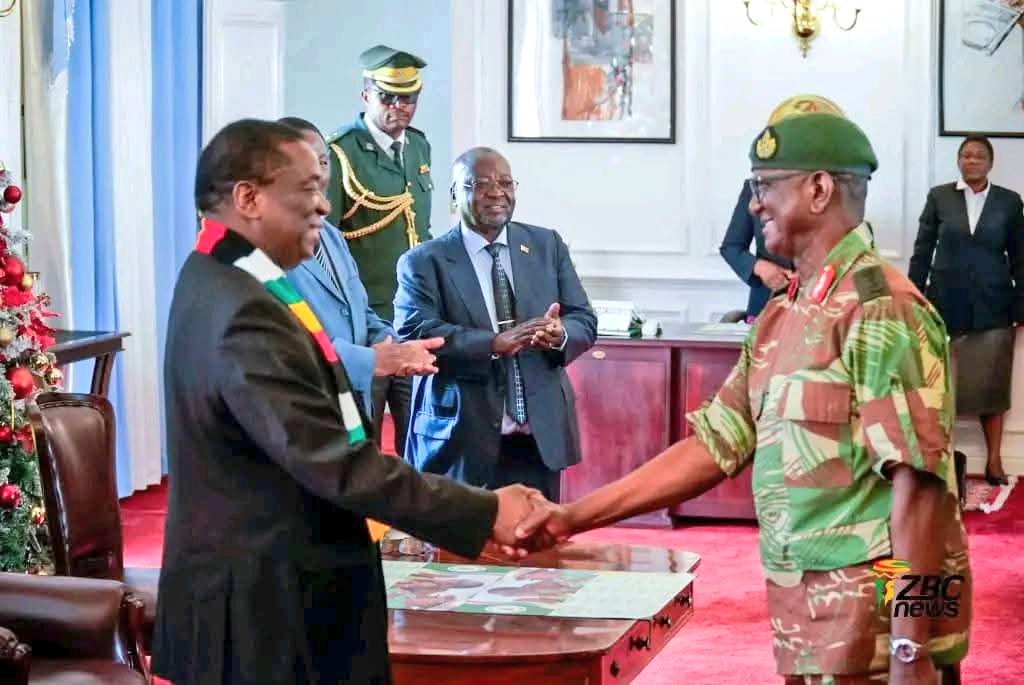
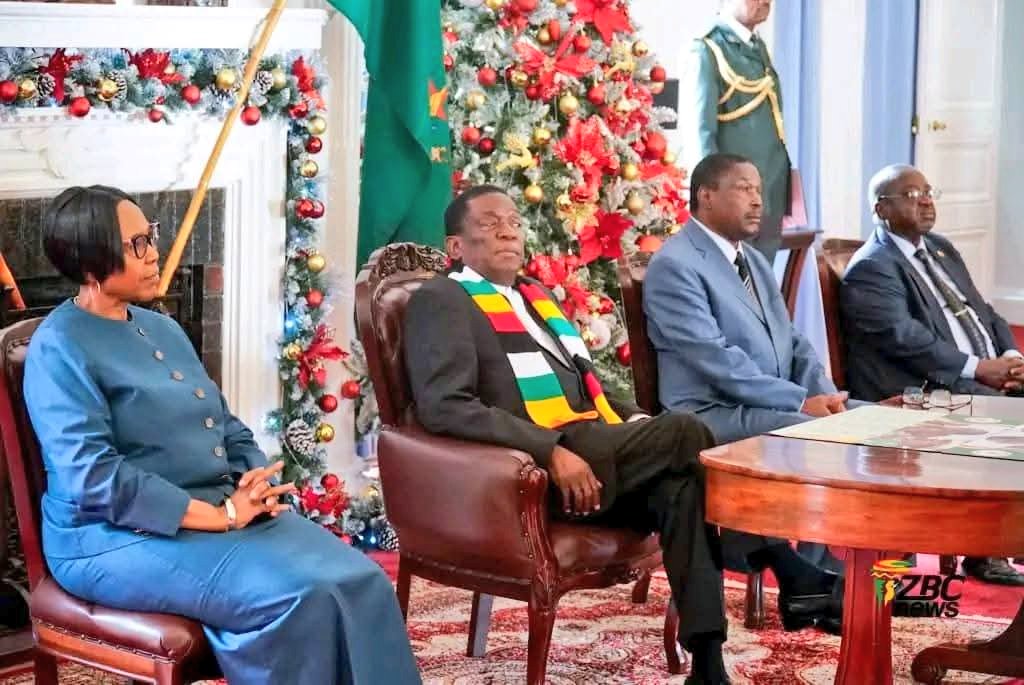
General Emmanuel Matatu has formally assumed command of the Zimbabwe Defence Forces, taking over from General Philip Valerio Sibanda, who steps down into retirement. The transition marks a significant shift at the helm of the country’s military establishment.
This change of command signals continuity in stability while opening space for renewed strategic focus as the ZDF positions itself for evolving national and regional security demands.
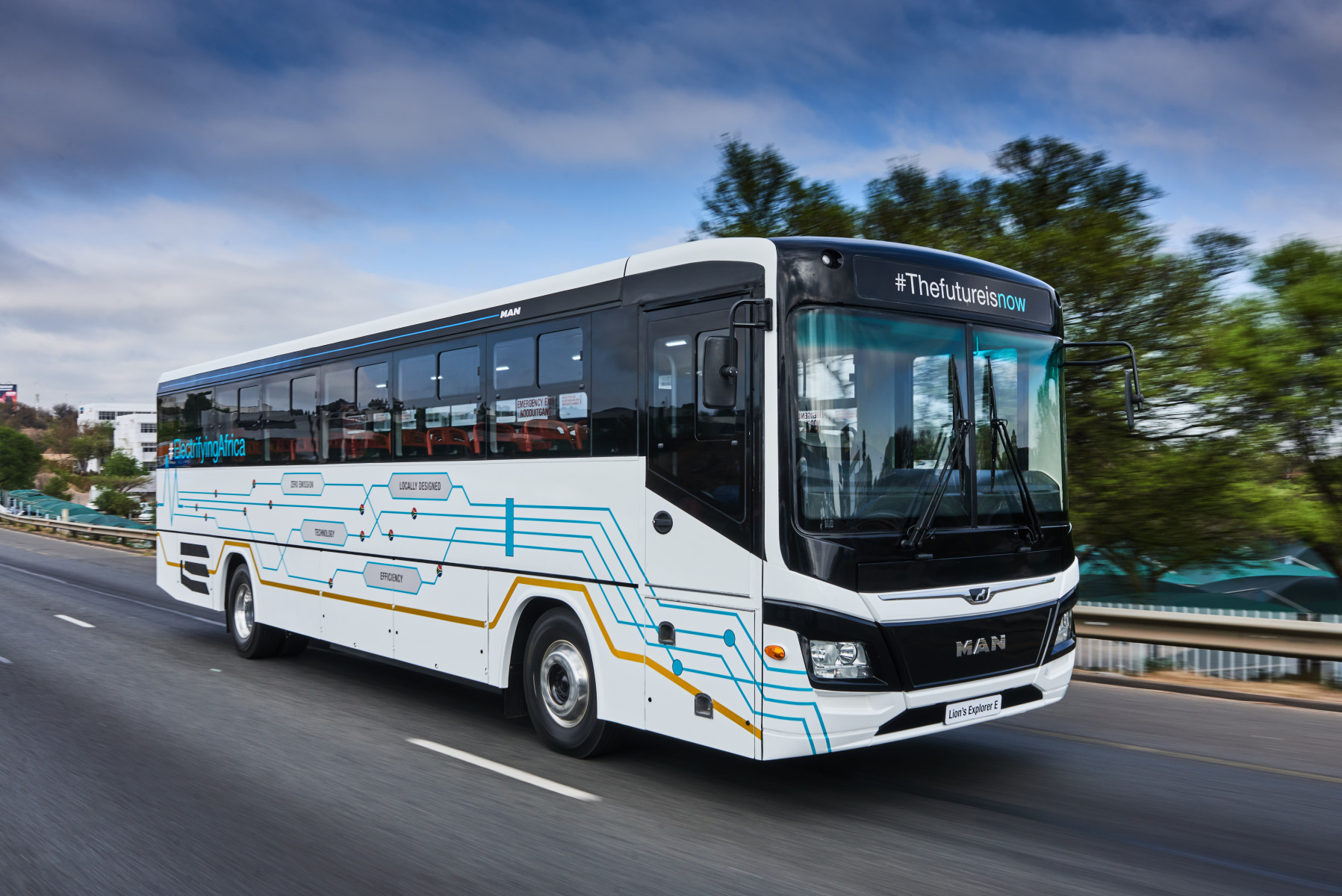
The President Mnangagwa-led Government, through CMED, has procured 16 new electric buses that will soon be deployed into the urban transport system. A pilot route between the University of Zimbabwe and the Harare City Centre is set to launch next month.
This investment reflects the Second Republic’s drive to modernise public services and improve everyday mobility. By adopting clean and affordable transport solutions, Government is reinforcing its commitment to a responsive, people-focused economy.
A strong mass public transport network is vital to achieving Vision 2030. Electric buses will help ease congestion, reduce travel times and promote safer, more reliable movement across urban areas, while advancing environmentally sustainable transport. More …
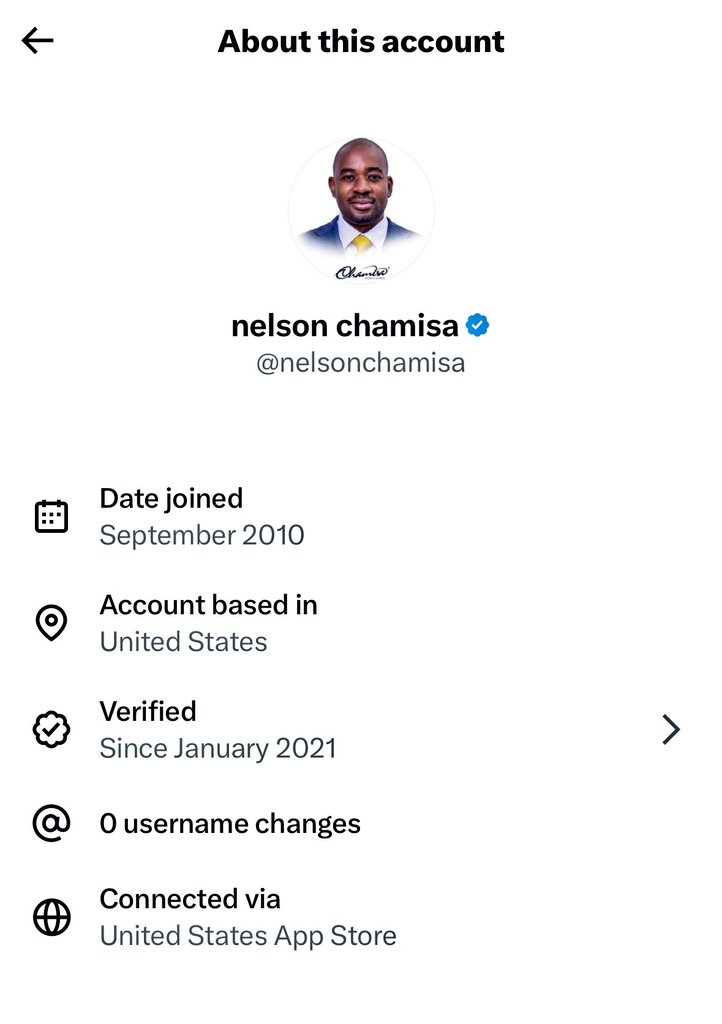
I spent the entire build-up to Zimbabwe’s 2023 harmonised elections practically screaming into the void, warning Zimbabweans across every social media platform that Nelson Chamisa’s politics have always served one purpose – himself. Not the voters, not the movement, not the country. Himself.
His track record is undeniable. From the MDC-T era through every reincarnation of his political projects, he ruthlessly fought any figure who even vaguely resembled a potential challenger. He weakened the opposition from inside, not out of strategy, but out of insecurity and self-preservation, sabotaging the very unity that could have strengthened their cause.
More …
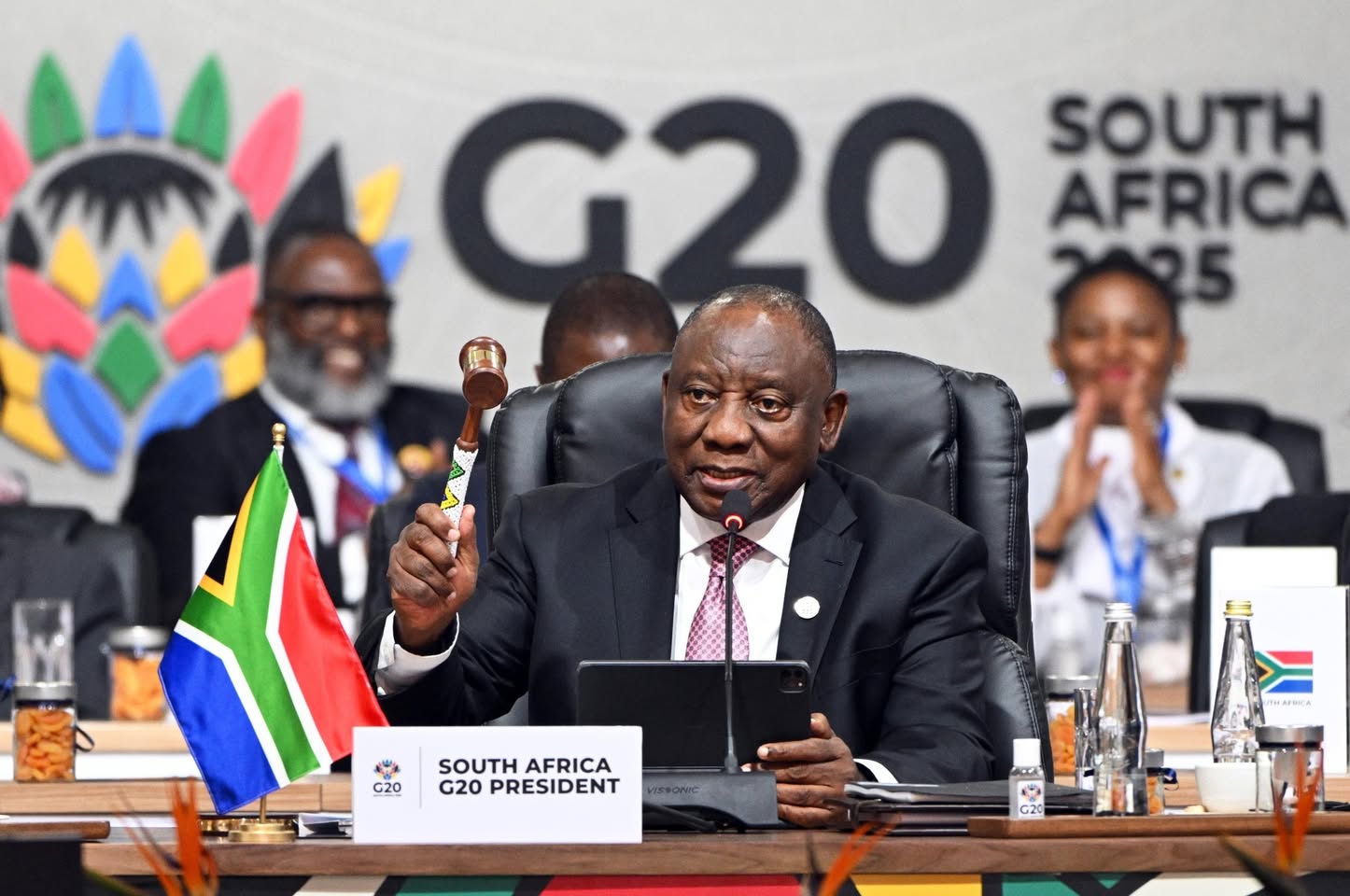
President Cyril Ramaphosa’s closing remarks – “This G20 summit is formally closed… we shall see each other again next year” – were more than procedural. They marked a quiet but unmistakable assertion of diplomatic maturity by South Africa.
Well done to South Africa, and to President Ramaphosa in particular, for firmly resisting Donald Trump’s characteristic bullying tactics. Trump’s behaviour at multilateral forums often reflects a unilateralist worldview: he prefers coercive leverage to consensus, transactional deals to collective responsibility, and personal dominance to institutional diplomacy. At this G20, he attempted once again to bend the multilateral process toward his own political narrative.
More …
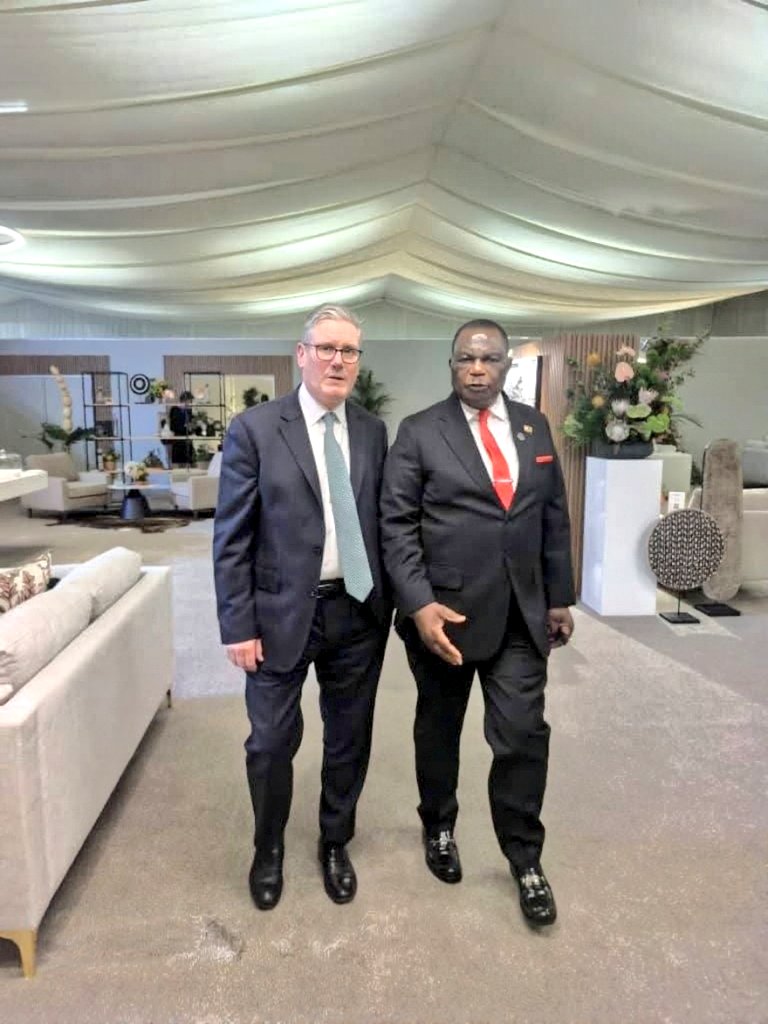
Vice President Dr. Constantino Chiwenga held an engagement with British Prime Minister Keir Starmer on the sidelines of the G20 Leaders’ Summit in Johannesburg, South Africa.
The encounter carries significance well beyond protocol. Zimbabwe and the United Kingdom share a complex and painful history shaped by colonisation, the liberation struggle, and the profound rupture that followed the Fast-Track Land Reform Programme. For two decades, relations were defined by mistrust, sanctions, and diplomatic frostiness – a period in which Zimbabwe continued to assert its sovereignty while enduring political and economic pressure from London.
More …

Vice President Rtd General C.G.D.N. Chiwenga’s statement to the G20 reflects one of the most disciplined and forward-looking expressions of Zimbabwe’s development vision under President E.D Mnangagwa and the Second Republic. From a development economics standpoint, he articulates a modern strategy anchored in value-addition, human-capital development, governance reforms, and climate resilience, all aligned with Zimbabwe’s Vision 2030 and the African Union’s Agenda 2063. This positioning shows that Zimbabwe is not merely adapting to global trends but actively shaping its own ascent through industrialisation, digital transformation, and inclusive growth. More …
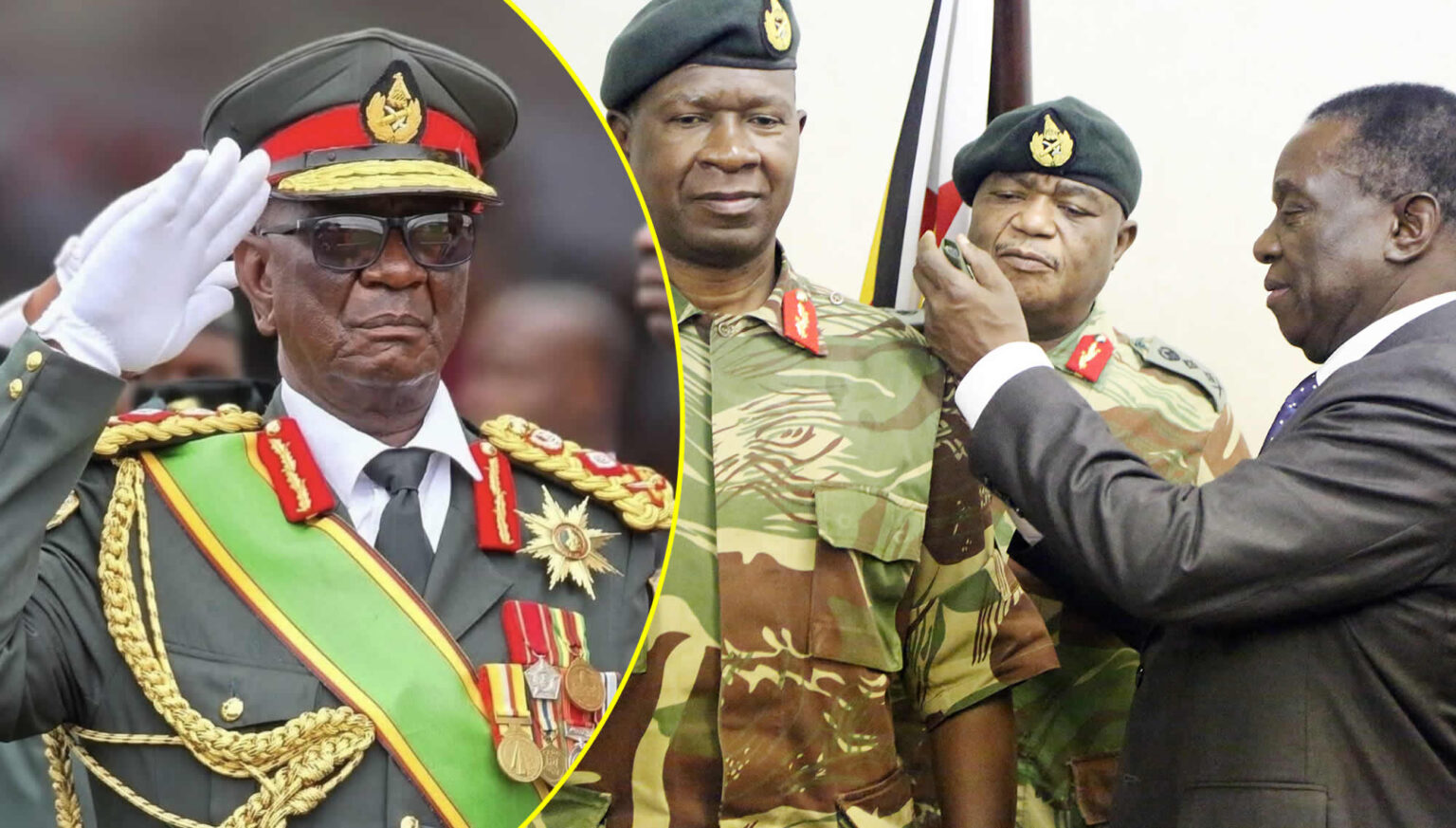
H.E President Dr Emmerson Dambudzo Mnangagwa, Commander-in-Chief of the Zimbabwe Defence Forces, will on Monday, 24 November 2025, officiate a significant leadership transition at Charles Gumbo Barracks in Harare.
This follows the retirement of long-serving ZDF Commander, General Philip Valerio Sibanda, whose distinguished service spans more than five decades.
Demonstrating confidence in the next generation of defence leadership, President Mnangagwa has promoted Lt-Gen Emmanuel Matatu to the rank of General and appointed him Commander of the Zimbabwe Defence Forces, effective 21 November 2025. He has also elevated Maj-Gen Asher Walter Tapfumaneyi to Lieutenant General and appointed him Commander of the Zimbabwe National Army, effective 25 November 2025. More …

About Me
Hi, I’m Dereck Goto. I use this space to think out loud about ideas, systems, power, and the quieter details that shape how we live and communicate. This blog isn’t about chasing trends or offering comfortable conclusions. It’s about asking better questions, challenging lazy narratives, and exploring issues with honesty and intellectual independence. Some posts are analytical, some reflective, and some deliberately provocative - but all are written with intention.