This infographic explains Zimbabwe’s proposed shift from a five-year to a seven-year electoral cycle across all levels of government, while maintaining the constitutional two-term presidential limit. It highlights the legal basis for the change, clarifies that no national referendum is required for adjusting election cycles, and outlines the strategic rationale – policy continuity, institutional stability and alignment with comparative democratic practice.
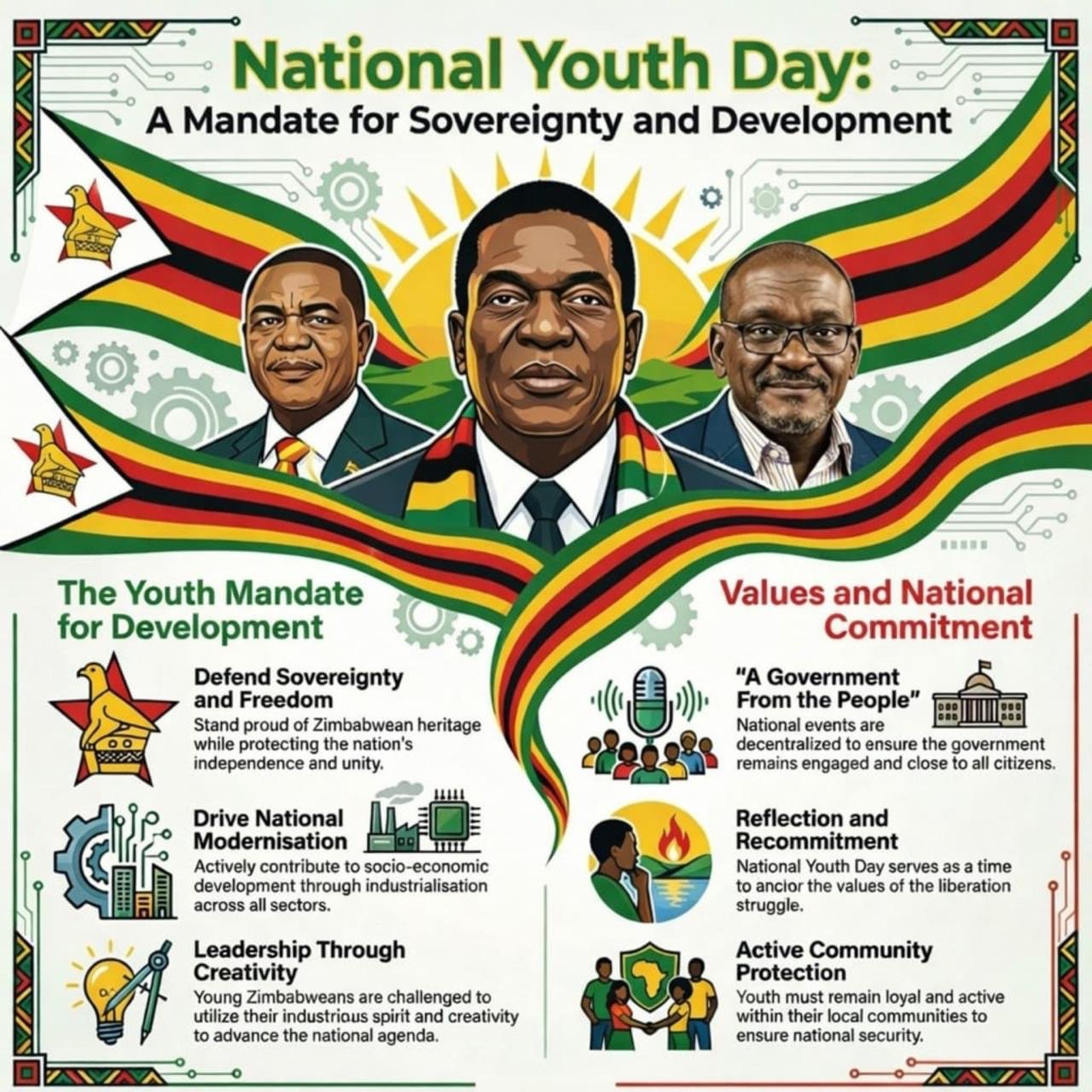
National Youth Day is more than commemoration – it is recommitment. It affirms youth as defenders of sovereignty, drivers of modernisation, and stewards of national values. By linking creativity, industrialisation, and community protection, the message is clear: development and independence are inseparable. A government rooted in its people thrives when its youth lead with conviction, innovation, and unity.
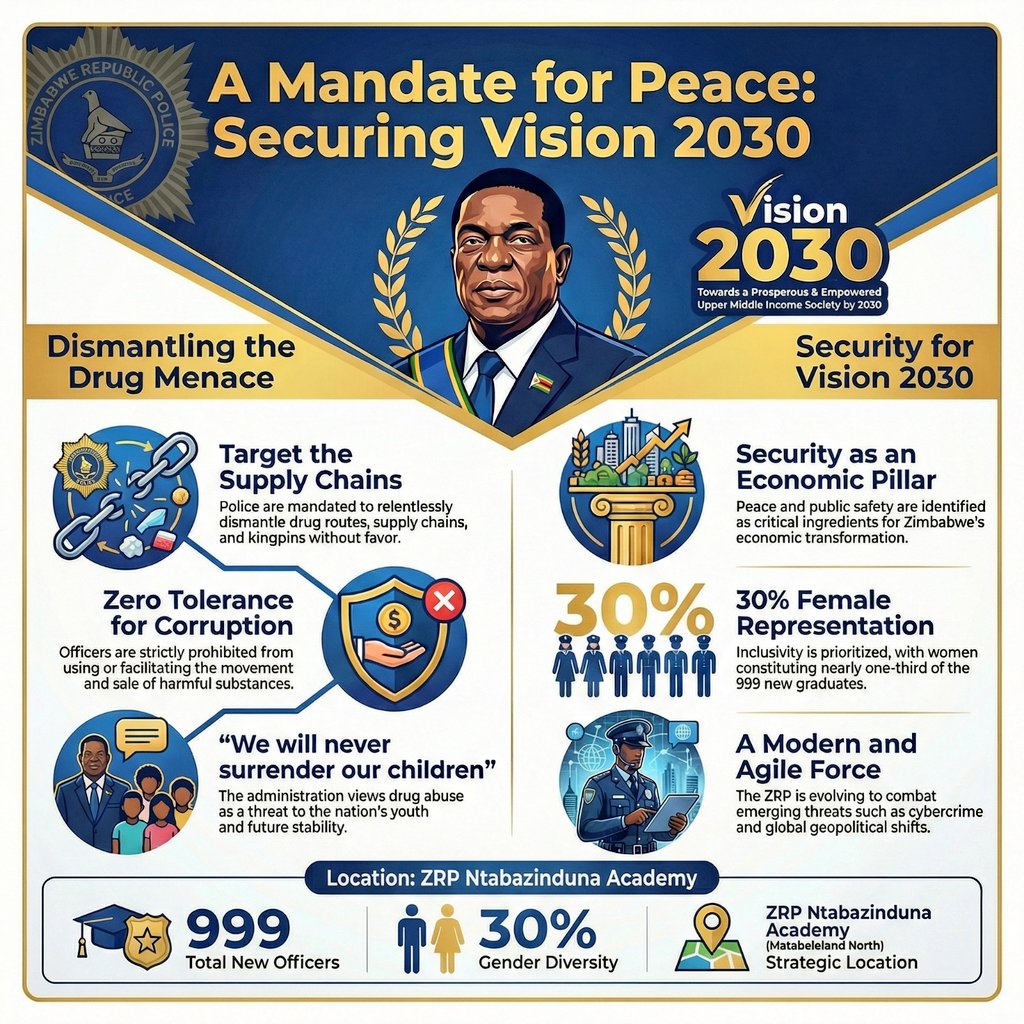
With 999 new officers, 30% female representation, and a zero-tolerance stance on corruption and drug syndicates, Zimbabwe strengthens the security architecture that underpins Vision 2030. Stability is the foundation of prosperity.
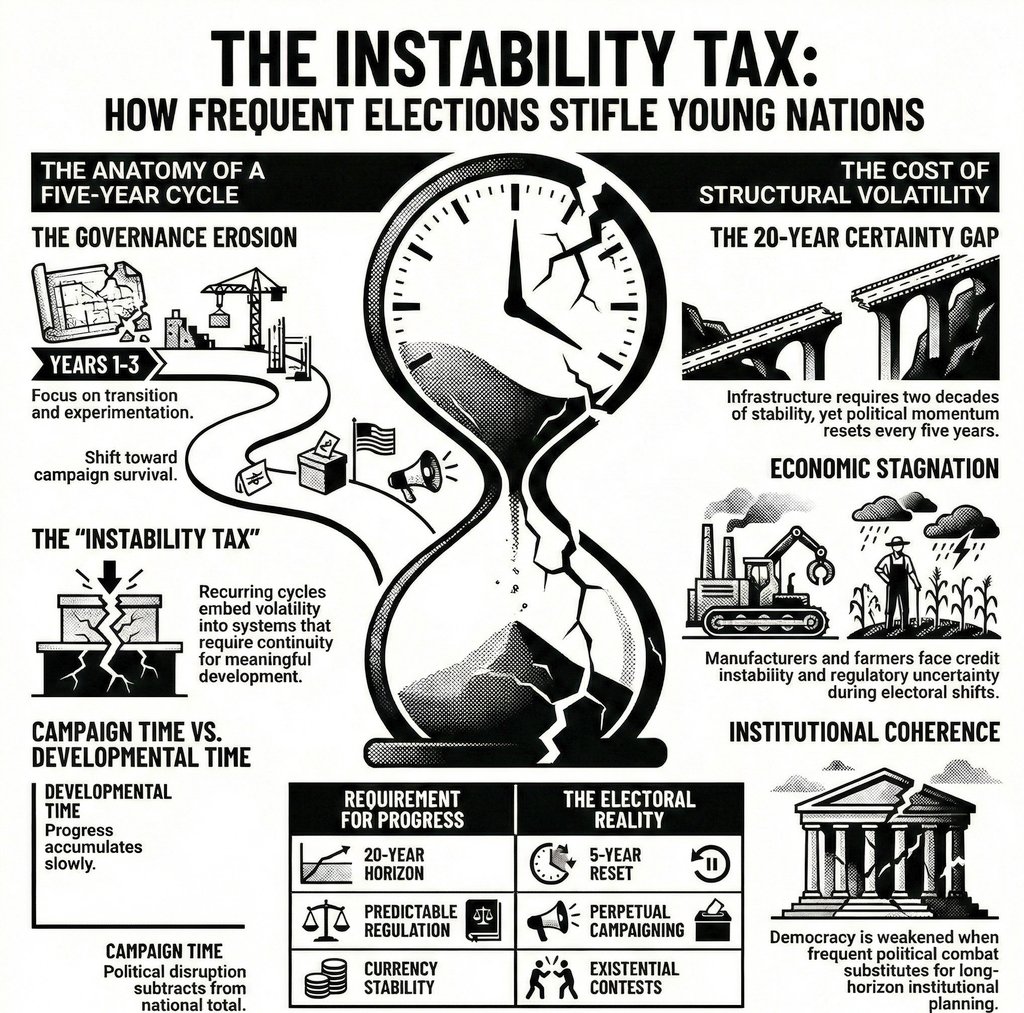
Zimbabwe’s current electoral system may be imposing a self-induced instability tax the nation can ill-afford.
What if recurring five-year electoral cycles – combined with high-stakes presidential contests – quietly embed structural volatility into a country that most needs continuity?
What if the greatest obstacle to development in young nations is not corruption, ideology, or capacity – but time?
Elections are treated as sacred rituals. Yet should democracy be measured by the frequency of political combat – or by the durability of national progress? More …
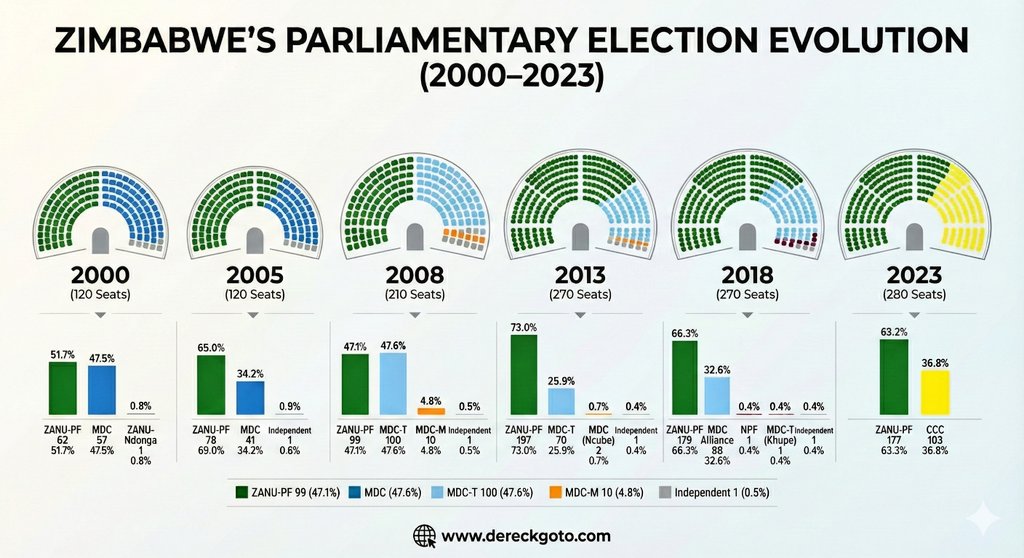
Zimbabwe’s parliamentary record points to a clear reality – ZANUPF’s dominance is enduring and structural, not accidental. The party wins because it is organised nationwide, understands institutions, and converts power into lasting presence.
The opposition, especially under Nelson Chamisa, has moved in the opposite direction – relying on charisma over structure, noise over strategy, and court cases over political groundwork. Elections are approached as emotional moments, not long-term contests. The outcome is always the same: defeat, followed by blame. At this stage, opposition politics is no longer a pathway to power, but a cycle of wasted effort.
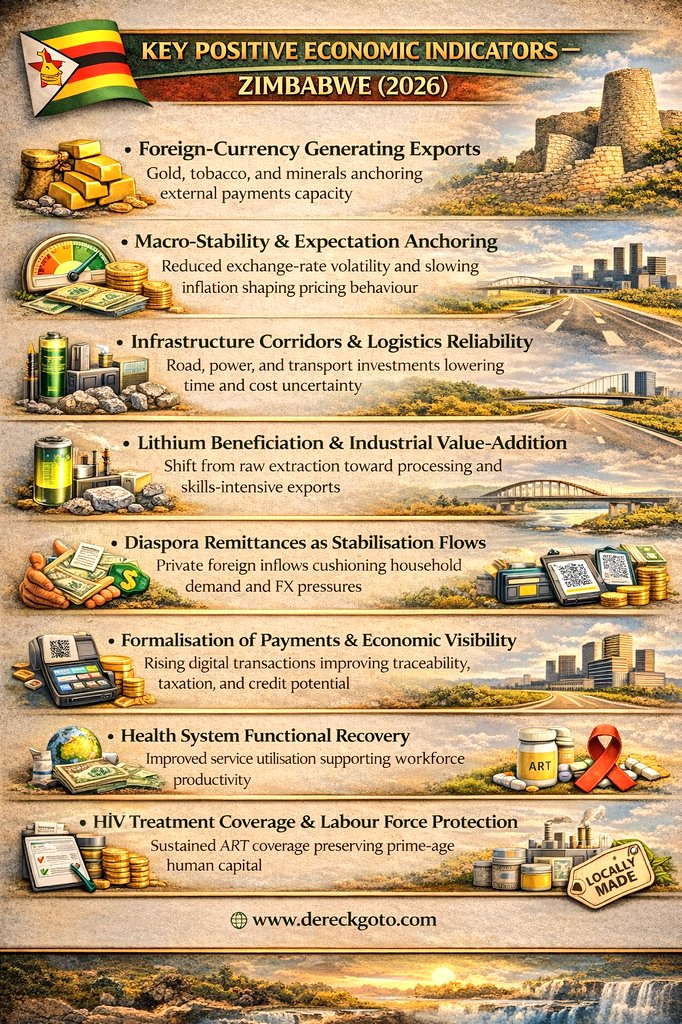
Zimbabwe’s 2026 outlook is being driven by tangible economic fundamentals. The convergence of reduced volatility, gold-backed liquidity, and logistics reliability is restoring business confidence. These developments – alongside rising labour productivity – are the quiet, consequential markers of long-term structural rebuilding.