Africa hails Xi’s AU message for joint pursuit of modernization, Global South solidarity


[RE-POST (Xinhua)]

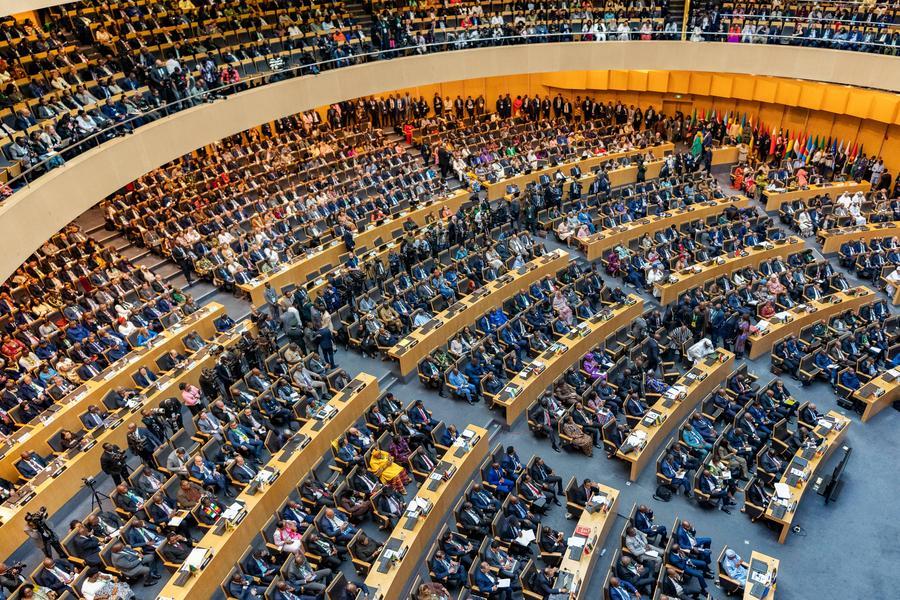
Chinese President Xi Jinping’s congratulatory message to the 39th African Union (AU) Summit held in Ethiopia is believed to demonstrate China’s firm support for Africa’s independent development.

In his message, Xi announced that China will fully implement zero-tariff treatment for 53 African countries having diplomatic relations with China starting from May 1, 2026. He also highlighted efforts to upgrade the “green channel” for African exports. More …

The End of Dollar Absolutism: Why the Renminbi Is the Future

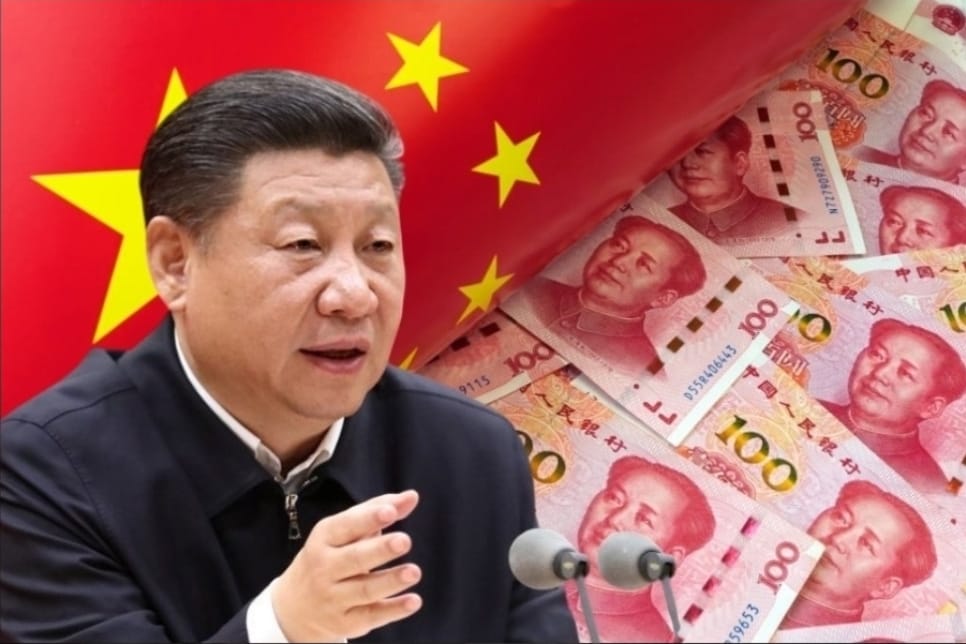
In excerpts published on January 31, 2026, in Qiushi (the official theoretical journal and news magazine of the Central Committee of the Communist Party of China), President Xi Jinping articulated with clarity a long-gestating ambition: transforming the renminbi (RMB) into a strong currency capable of functioning as a global reserve. It constituted a deliberate policy signal rather than a symbolic gesture, a disciplined declaration aligned with the realities of a fragmenting international financial order.

China has pursued RMB internationalisation for more than a decade. What has changed is coherence. Xi’s framework defines a financial powerhouse through mutually reinforcing pillars: a strong currency, a strong central bank in the form of the People’s Bank of China, resilient financial institutions, international financial centres, rigorous supervision, and elite financial talent. This is institutional design, not improvisation. More …

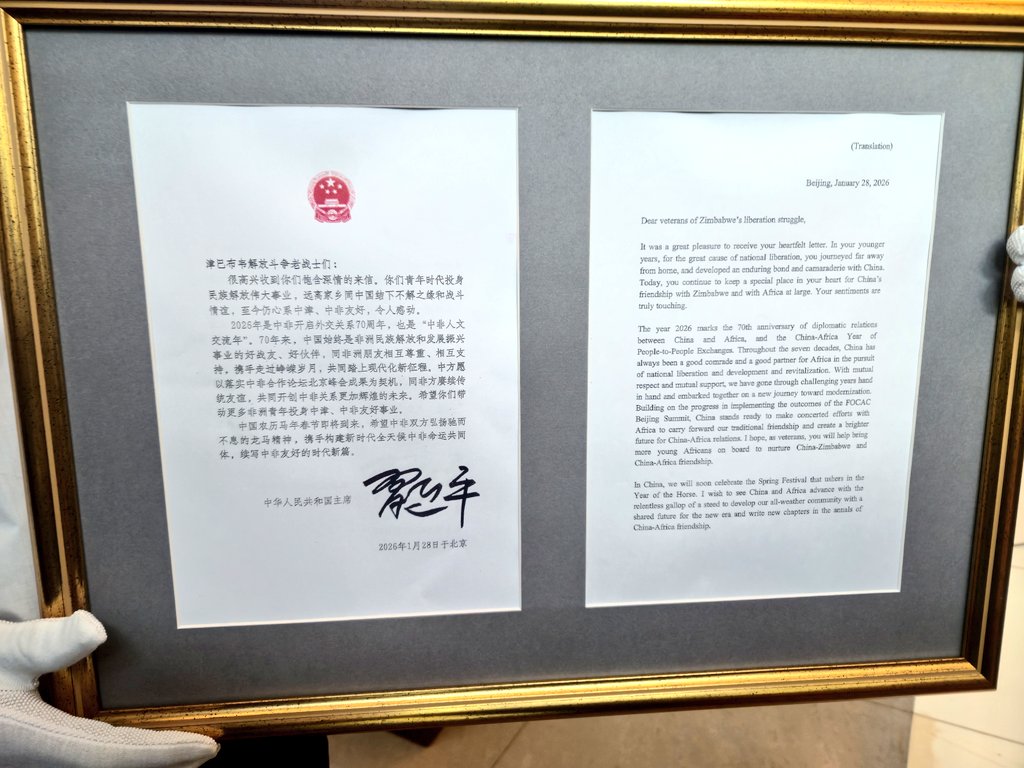
Letter from President Xi Jinping to Zimbabwe’s Liberation War Veterans

(TRANSLATION)

Beijing, January 28, 2026

Dear veterans of Zimbabwe’s liberation struggle,

It was a great pleasure to receive your heartfelt letter. In your younger years, for the great cause of national liberation, you journeyed far away from home, and developed an enduring bond and comradeship with China. Today, you continue to keep a special place in your heart for China’s friendship with Zimbabwe and with Africa at large. Your sentiments are truly touching. More …

Zimbabwe: SADC’s Nexus

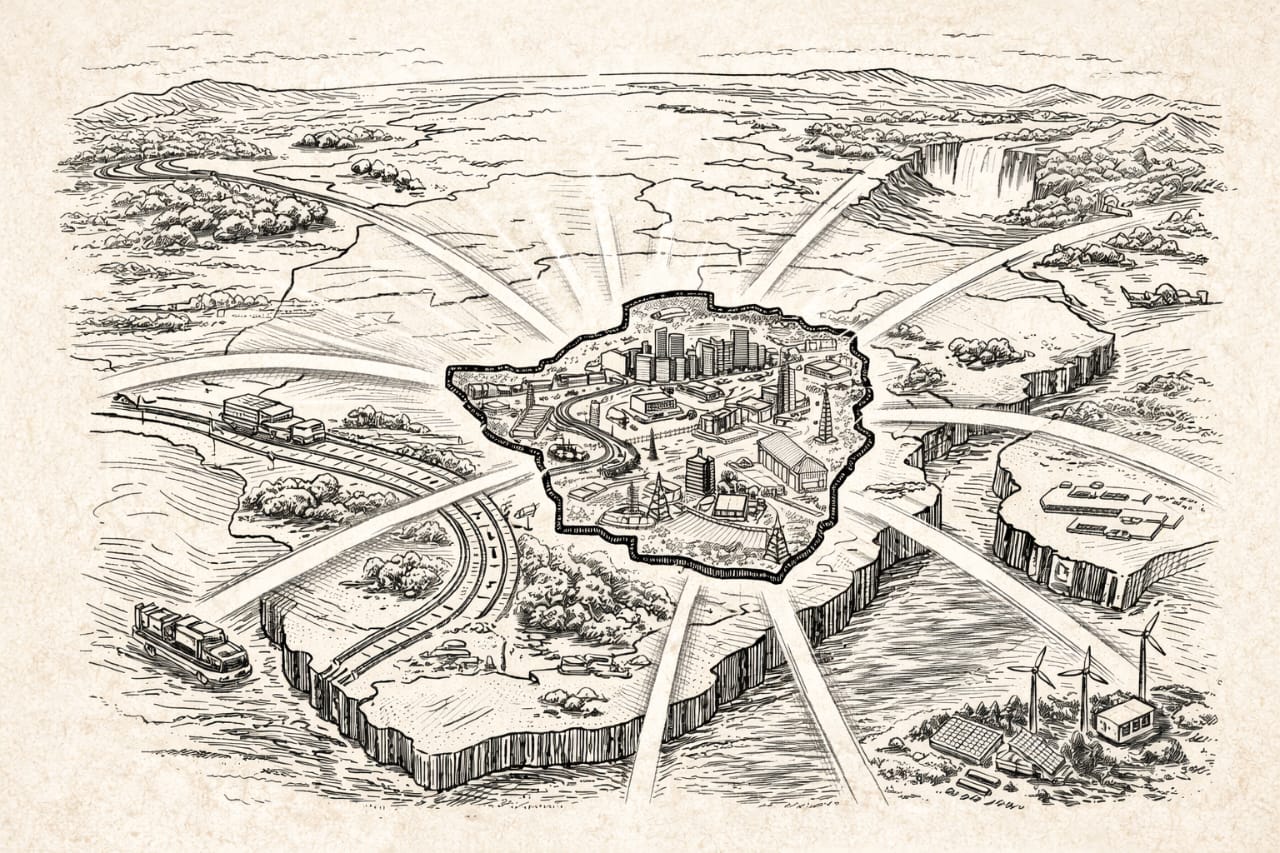
As we navigate the early months of 2026, the narrative surrounding Zimbabwe is undergoing a profound transformation. For years, the conversation was dominated by the language of recovery; today, it is defined by the acceleration of intent. Having successfully concluded the first phase of the National Development Strategy (NDS1) and now aggressively implementing NDS2, Harare is no longer looking inward. It is looking outward, positioning itself as the logistical, industrial, and ecological pivot – the true nexus – of the Southern African Development Community (SADC).

To understand this shift, one must look past the headlines to the structural realities. Zimbabwe’s geography is its most powerful latent asset. Situated at the intersection of the North-South and East-West corridors, the nation acts as the region’s natural circulatory system. What has changed is the intentionality behind this position.
More …

The Youth Engine Behind China’s Rise – And the Lessons We Should Not Miss

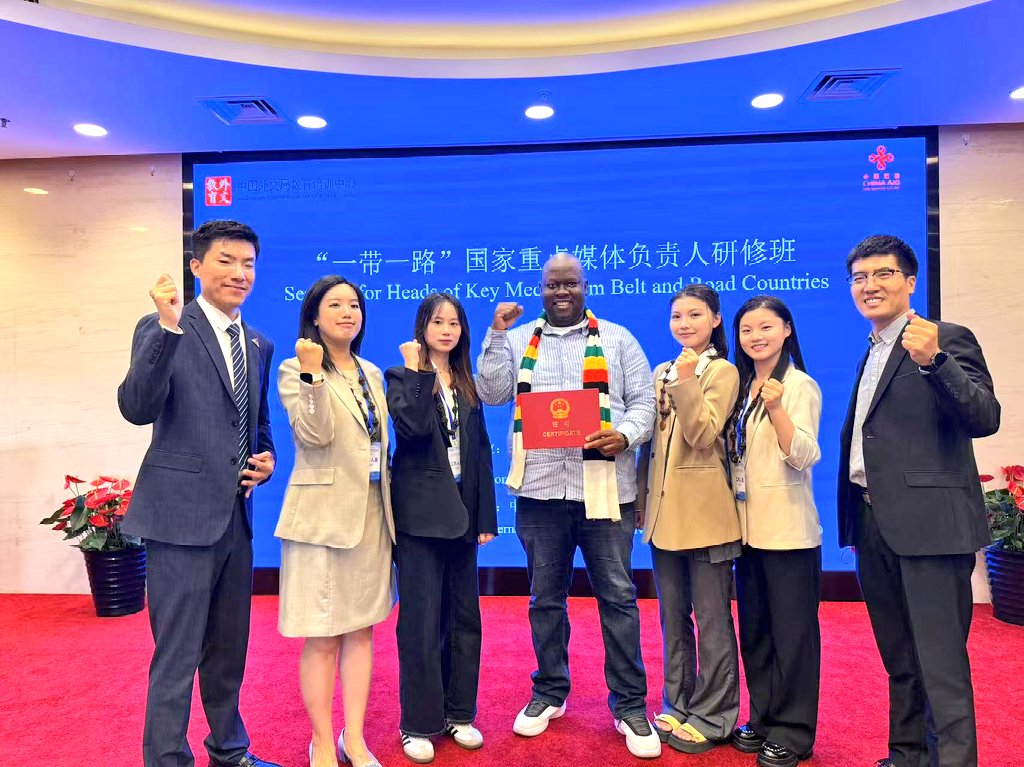
There are moments when a nation’s grand strategy reveals itself in an ordinary room, through ordinary competence. I recently attended a seminar that brought together heads of key media from Belt and Road countries. The agenda was serious, the participants were senior, and the expectations were high. Yet what stood out was not protocol, microphones, or banners. It was the coordination.

The event was run by multiple young Chinese nationals – highly educated, openly aspirational, and strikingly composed. They handled logistics, sequencing, time discipline, and stakeholder management with an efficiency that required minimal supervision. The confidence was not loud. It was structured. The competence was not performative. It was practical. In that small, human scene, one could glimpse a larger truth: China’s international stature is not sustained only by policy documents and speeches. It is sustained by a deep pipeline of capable young people who execute.
More …

The Rules Are for You, Not for the USA

The mask has finally fallen. Yesterday’s brazen kidnapping of the Venezuelan President by the USA is not merely a violation of law; it is the resurrection of the colonial mandate. In seizing a sitting Head of State and declaring, as President Trump did yesterday, that the US will now “run the country” to ensure “American dominance in the Western Hemisphere,” Washington has stripped away the polite fiction of “democracy promotion.” This is 19th-century imperialism with 21st-century technology. It is, as Venezuelan Foreign Minister Yvan Gil correctly identified, a “colonial war” designed not to liberate a people, but to seize “strategic resources, particularly vast oil reserves.”

The Global South has been disciplined for generations to believe in a neutral order – one where law restrains power. That belief now collapses under the weight of evidence. More …

America’s Imperial Decline in Real Time

America’s action against Venezuela is being sold as strength, resolve, and leadership. In truth, it is something far less flattering. It is fear, stripped of discipline and dressed up as authority. Fear of a world that no longer waits for Washington’s permission. Fear of systems that function beyond the dollar. Fear of governments that refuse to be disciplined by sanctions or intimidated by threats. Fear, above all, of irrelevance.

Empires at ease do not behave this way. Confident powers do not lurch from economic strangulation to open coercion. They do not normalise the language of seizure and removal when persuasion fails. They do not need to turn a sovereign state into a public spectacle to remind others who is in charge. These are the reflexes of a hegemon sensing that the ground beneath it is shifting. More …

2025: The Year Africa Read the Balance of Power Clearly

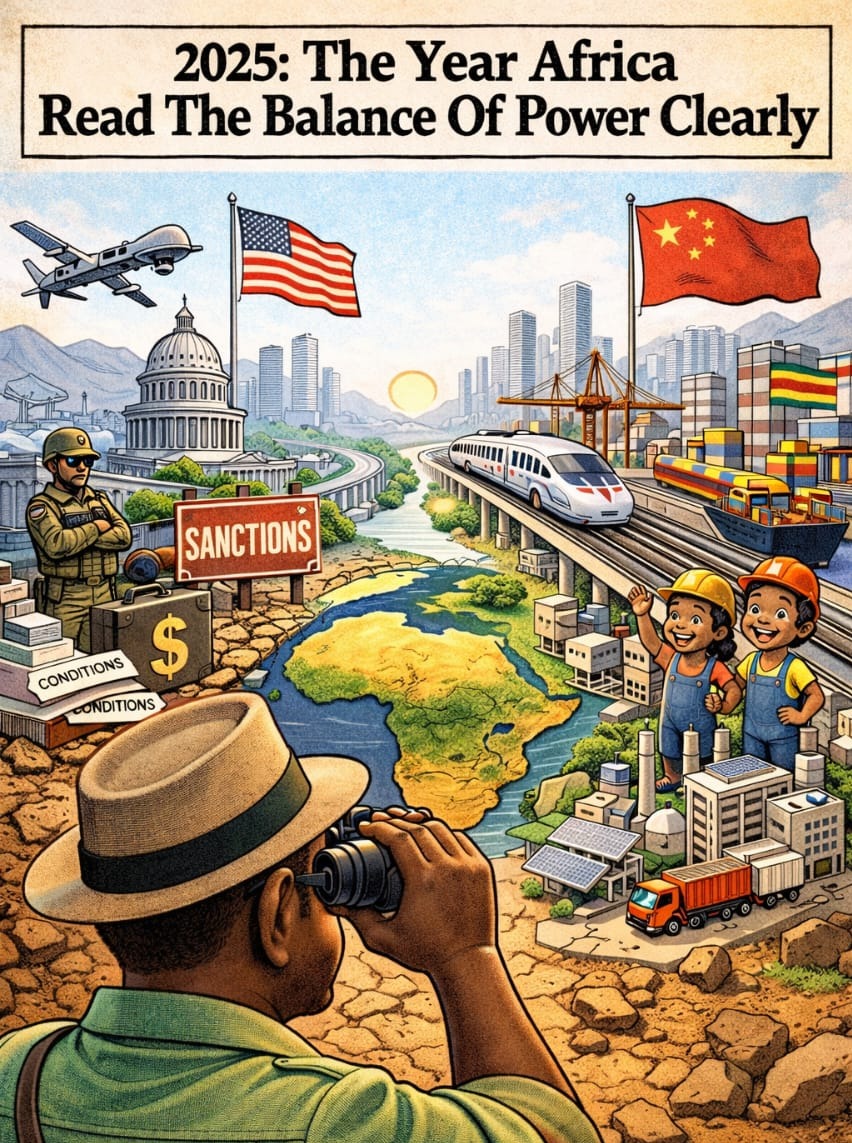
As 2025 draws to a close, one conclusion stands with increasing clarity: the global centre of gravity has shifted, not through rupture or spectacle, but through the steady accumulation of deliberate choices made across the Global South. Africa, in particular, has spent this year doing something both quiet and consequential – comparing partners by outcomes rather than promises. In that comparison, the contrast between U.S. and Chinese foreign policy has hardened into a practical judgment about relevance.

This was the year multipolarity ceased to be theoretical. It became operational.

For much of the post-Cold War era, U.S. engagement with Africa rested on a familiar architecture: aid conditionality; security cooperation; values-driven diplomacy. In 2025, that architecture showed unmistakable strain. Policy remained episodic, filtered through domestic political cycles, and increasingly securitised. Engagement was reactive – responding to instability, coups, or geopolitical anxiety – rather than anchored in long-term economic transformation. Trade initiatives lacked scale. Infrastructure financing remained tentative. Sanctions continued to substitute for strategy. More …

From Silk to Steel: Sino-Zimbabwean Solidarity

The archaeological silence of the Great Zimbabwe monument has long been broken by a profound discovery: fragments of Chinese porcelain embedded within its ancient stone walls. This ceramic record is not merely a relic of antiquity but a material archive of a sophisticated maritime interchange that predates modern diplomacy by centuries. Today, this historical synergy has evolved into a robust strategic partnership that defines the vanguard of South-South cooperation.

A Civilisational Dialogue

The presence of these artefacts serves as a definitive rebuttal to historical narratives of African isolation. Instead, they position the Great Zimbabwe Empire as a pivotal node in a global network of commerce and culture. Reflecting on this enduring legacy, the Chinese Ambassador to Zimbabwe, Zhou Ding, recently underscored the depth of this connection:

“The discovery of Chinese porcelain at Great Zimbabwe also serves as significant archaeological evidence of deep historical ties between China and Africa. These artefacts highlight Great Zimbabwe’s role as a sophisticated African civilization engaged in long-distance trade and offer a concrete record of the dynamic interactions between China and Zimbabwe centuries ago.” More …