Zimbabwe, Belarus Move to Deepen Defence and Technical Ties

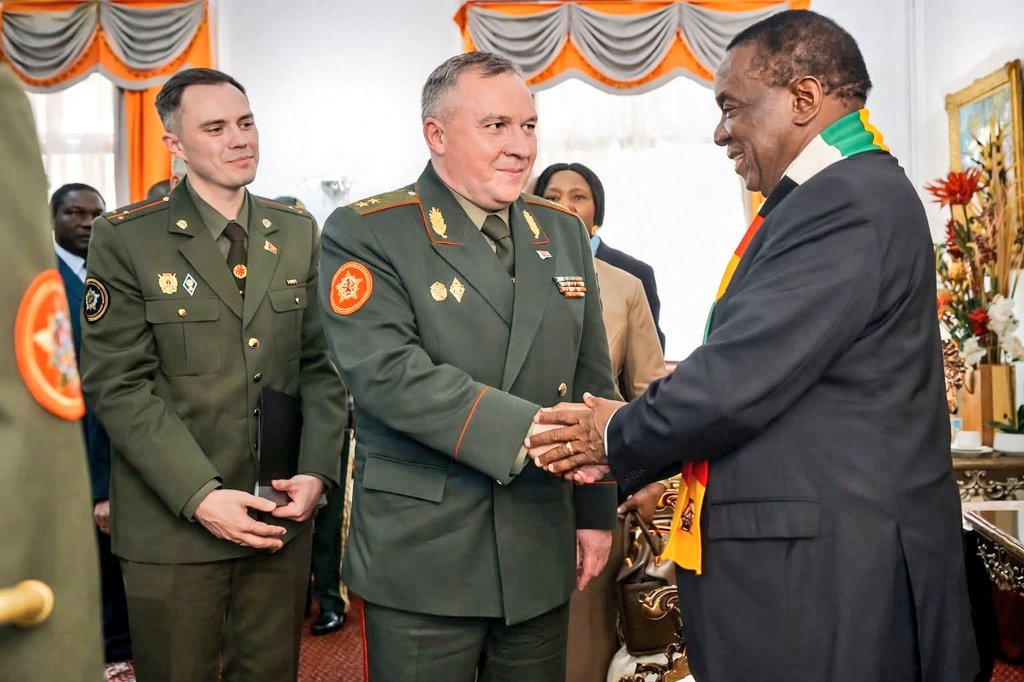
President Emmerson Dambudzo Mnangagwa on Tuesday welcomed a senior military delegation from the Republic of Belarus to State House in Harare. The delegation was headed by Belarus’s Minister of Defence, Lieutenant General Victor Khrenin, and included high-ranking military officials.

Following the engagement, President Mnangagwa said the discussions centred on enhancing bilateral cooperation in defence and technical fields, while also exploring opportunities to broaden collaboration in agriculture and industrial development. He noted that the talks underscored Zimbabwe’s continued pursuit of strong, mutually advantageous partnerships with Belarus.

Relations between Zimbabwe and Belarus have strengthened in recent years, with growing collaboration in areas such as agricultural mechanisation and industrial development, as Zimbabwe works to diversify and expand its global diplomatic and economic engagements.

Africa’s Development Moment: Washington Retreats, Beijing Delivers – Africa Decides

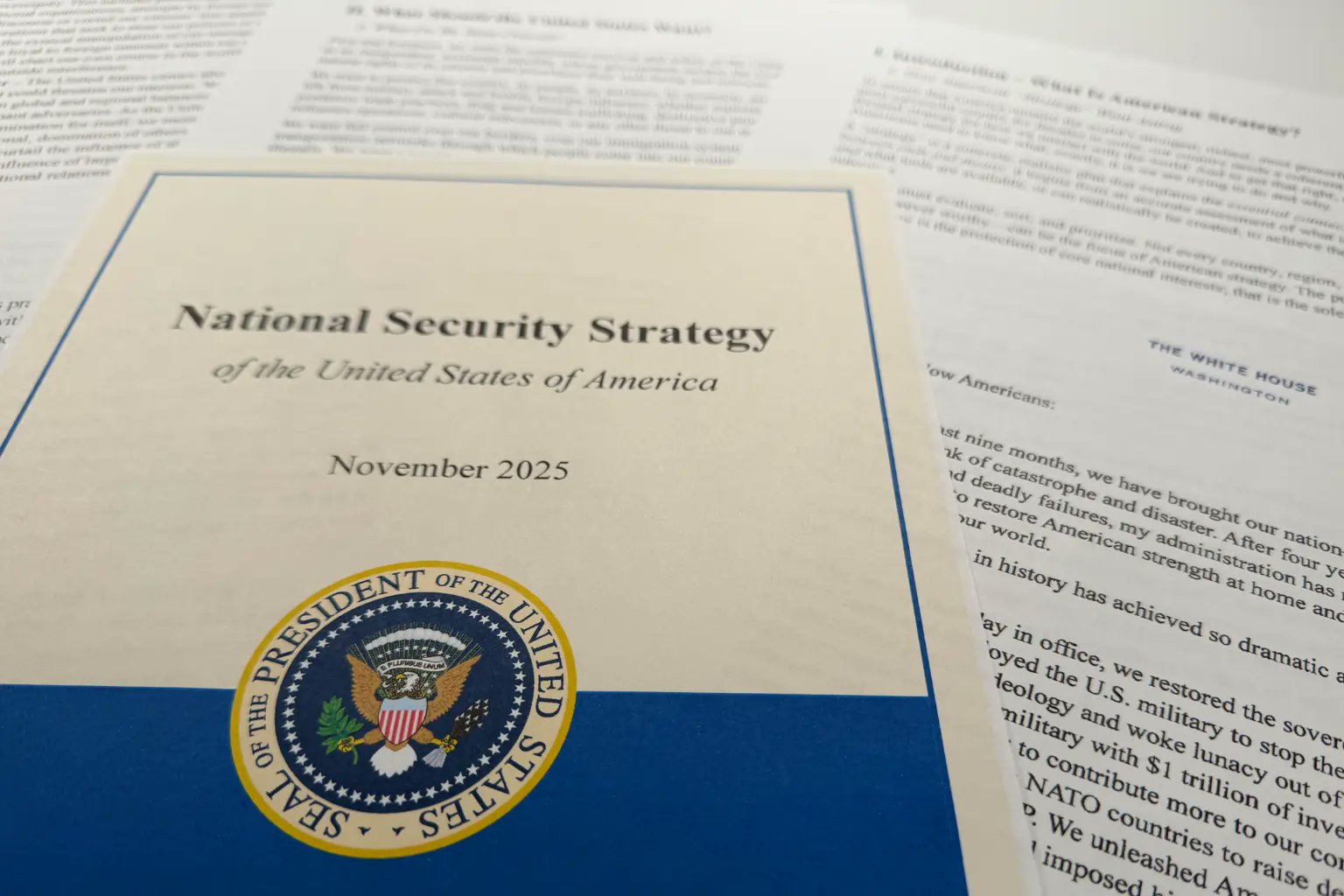
A serious African policymaker reads grand strategy the way an economist reads a balance sheet: not for poetry, but for what it reveals about incentives, constraints, and future behaviour. On that test, the 2025 U.S. National Security Strategy (NSS) is unusually candid. It is not a manifesto of global stewardship; it is a clear blueprint for America First transactional bargaining, deploying trade, technology, and capital markets as tools of leverage for U.S. commercial advantage.

Start with the economic core. The NSS argues that America First diplomacy must “rebalance global trade relationships,” calls the U.S. current account deficit “unsustainable,” and urges allies to adopt policies that help absorb China’s “enormous excess capacity.” In the same breath it makes a striking admission: “China’s state-led and state-backed companies excel in building physical and digital infrastructure,” and China has recycled “perhaps $1.3 trillion” of trade surpluses into loans to trading partners. More …

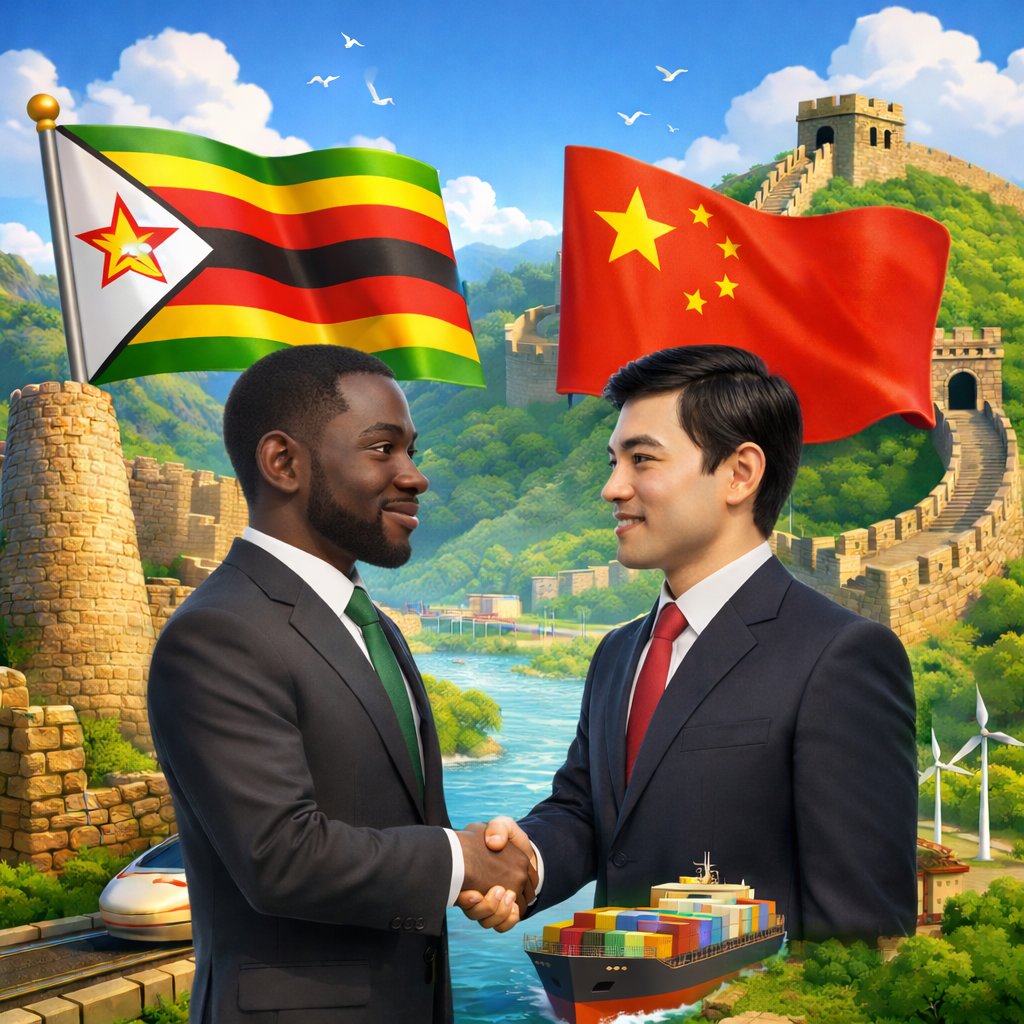
Aligning China’s 15th Five-Year Plan with Zimbabwe’s NDS2

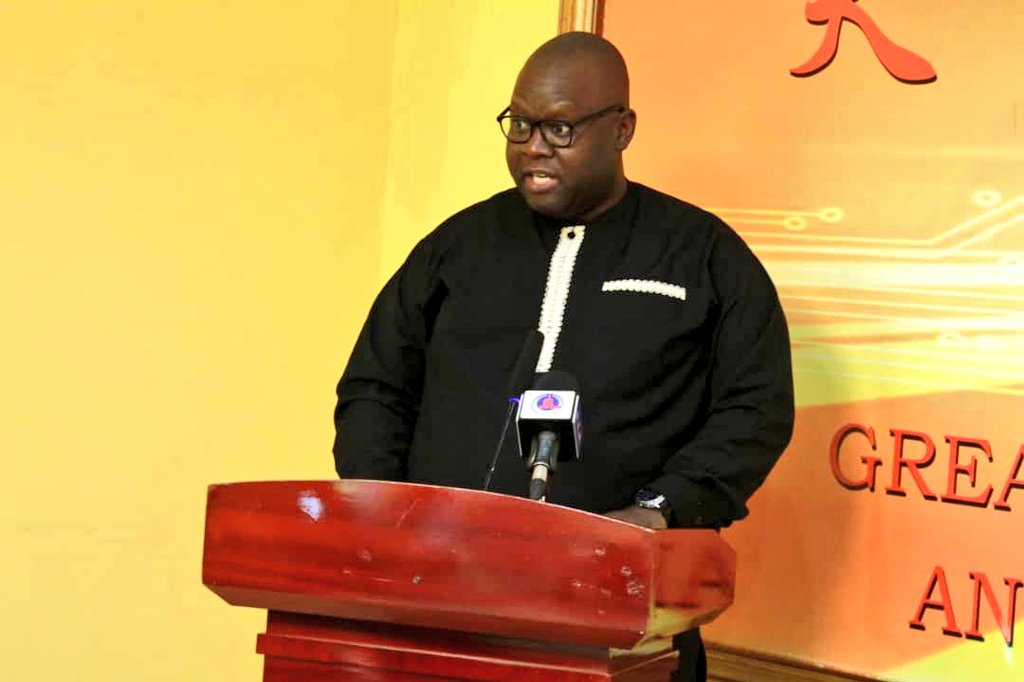
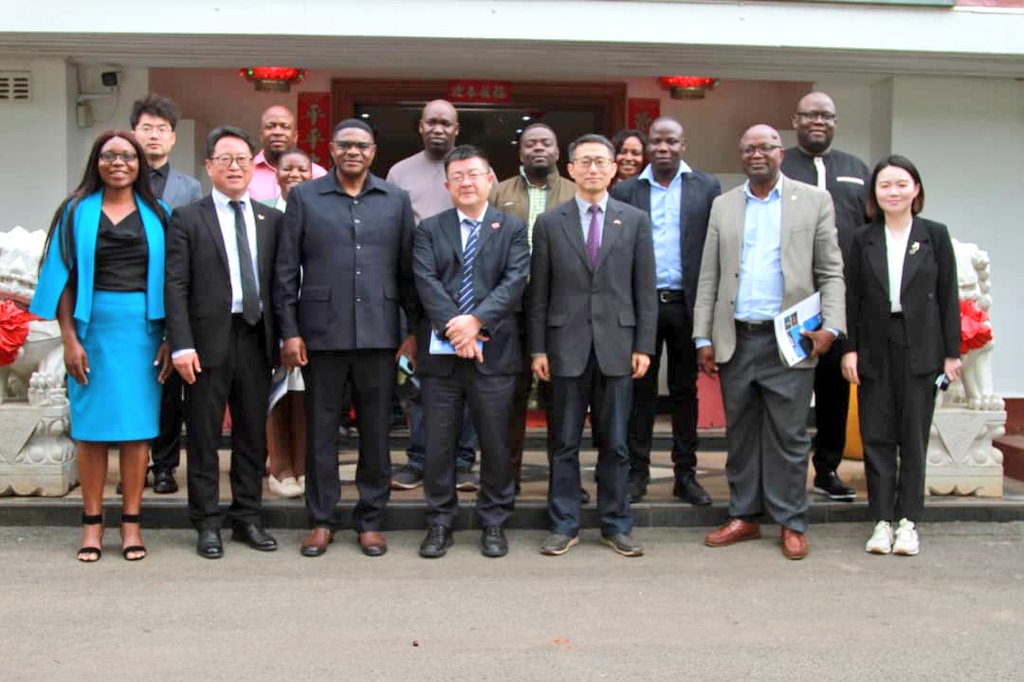
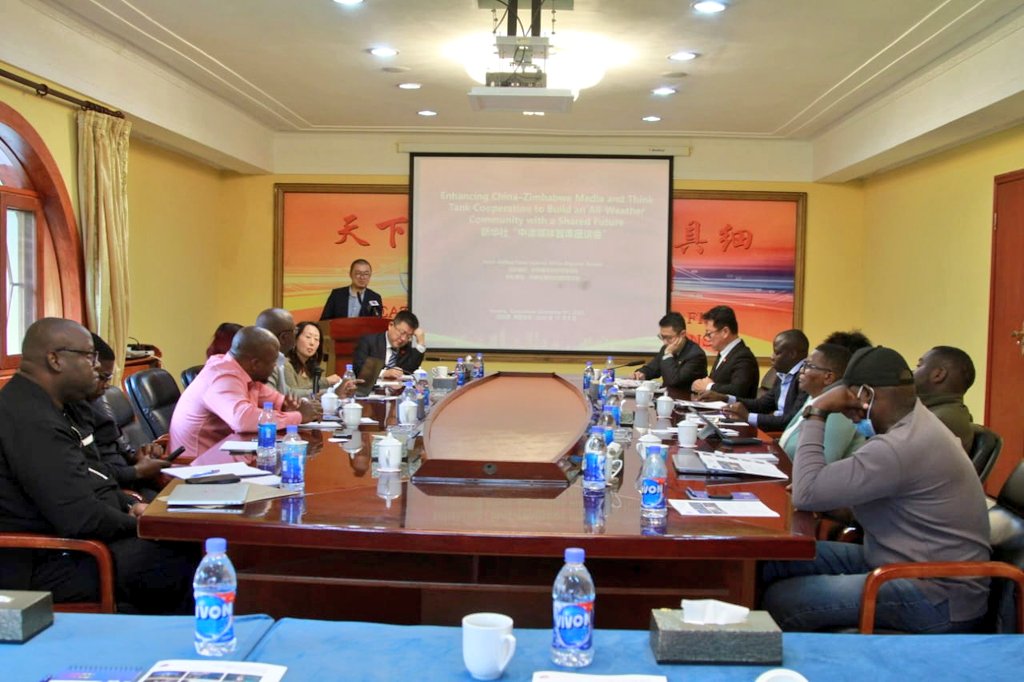
Today I had the honour of delivering a presentation at the Golden Peacock Hotel on “Viewing China’s 15th Five-Year Plan Proposals from a Zimbabwean Perspective.” It was an energising discussion, and I was grateful to Xinhua News Agency for convening such a timely dialogue.

I reflected on how China’s upcoming 15th Five-Year Plan (2026-2030) aligns almost perfectly with Zimbabwe’s NDS2, which runs over the same years. This overlap creates a rare moment where both nations – guided by President Xi Jinping and President Emmerson Mnangagwa – are pursuing major reforms at the same time, opening space for deeper cooperation in technology, industry, energy, and governance. More …

Fueling Progress: President Mnangagwa Secures UAE Energy Partnership

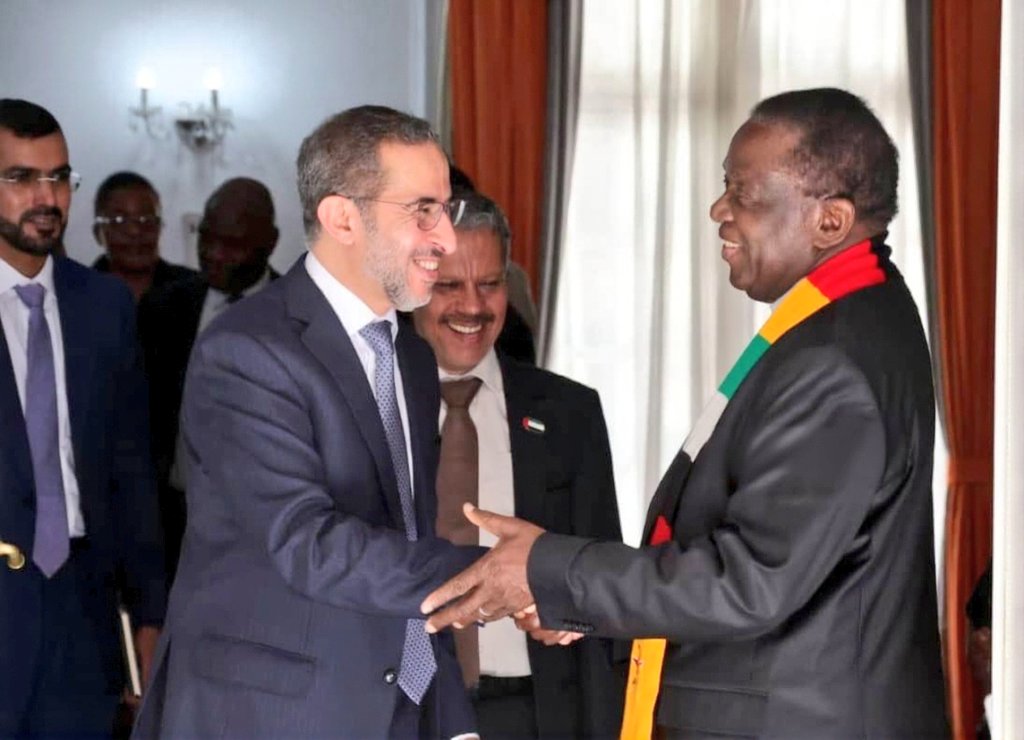
His Excellency President E.D Mnangagwa today met the Chief Executive of the Abu Dhabi National Oil Company, Mr Ahmed Bin Thalith, at State House, in yet another sign of the growing economic partnership between Zimbabwe and the United Arab Emirates. Mr Bin Thalith reaffirmed ADNOC’s interest in expanding its role in Zimbabwe’s fuel supply chain, emphasising the company’s readiness to help stabilise the market and support competitive pricing for retail consumers. He also conveyed appreciation for the strong diplomatic ties between Harare and Abu Dhabi, noting that this political goodwill has created a solid foundation for long-term cooperation.

The meeting reflects Zimbabwe’s broader strategy of deepening engagement with Gulf nations that have become important players in energy, mining, and logistics across the region. For Abu Dhabi, Zimbabwe offers a strategic gateway into Southern Africa, while for Harare, the partnership promises enhanced energy security and access to more competitive global supply networks.

America Belongs to the Red Indians, Not Donald Trump

It is truly rich – almost laughable – for a descendant of immigrants, a man whose forebears were part of the same colonising wave that stole, plundered, and crushed whole continents, to stand up today and attack present-day immigrants without even seeing the blinding irony. Donald Trump speaks as though he is the “owner” of America, yet the only rightful owners of that land are the Indigenous peoples – the Native Americans his kith and kin displaced, exploited, and nearly erased.

And before he lectures anyone about “failed nations,” he should remember that Africa’s past and present are burdened by the slavery, colonisation, resource looting, and generational destruction inflicted by people who look exactly like him – people who built their wealth on African bodies and African minerals. More …

When Sanctions Precede the Crime – South Africa’s Opportune Moment to Finish the Unfinished Business of Land Reclamation

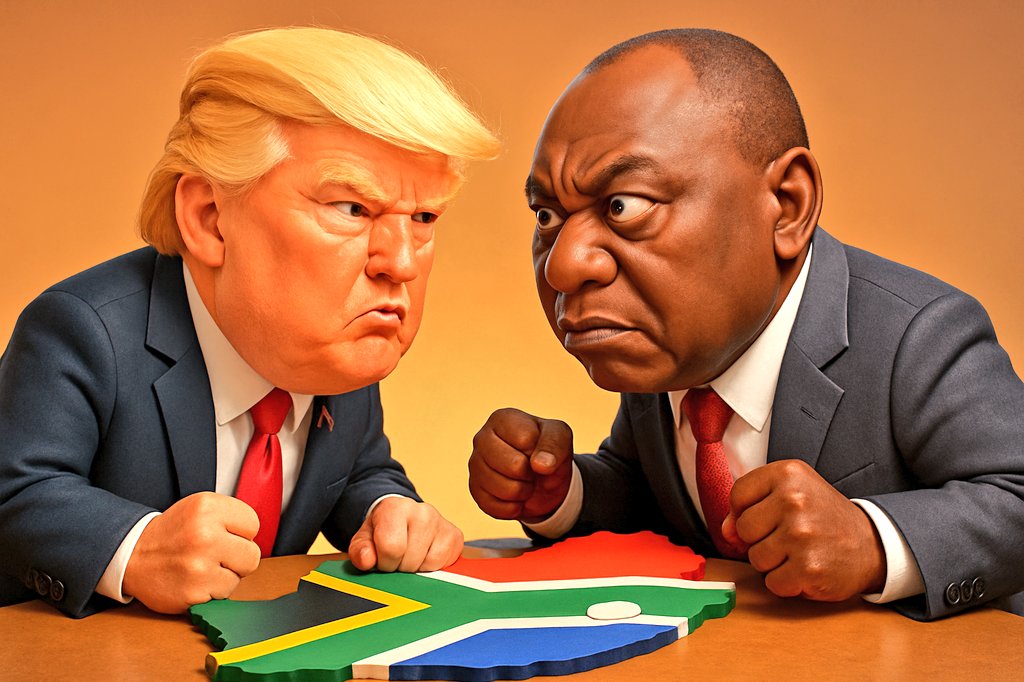
South Africans, let me be blunt from the start: Donald Trump has just handed you an unexpected blessing – a golden, flashing invitation to reclaim your land with the same unapologetic clarity that Zimbabwe showed the world two decades ago. If sanctions are already being imposed on you for crimes you did not commit, why continue tiptoeing around the core historical injustice that birthed this entire controversy: land stolen at the barrel of a colonial gun?

Trump’s message is a crude attempt to resurrect the old racist script that Africans are incapable of governing themselves or managing their own affairs. And instead of engaging the South African government with diplomacy and fact, he has chosen outright fabrication – the grotesque myth of a “white genocide.” More …

The Resource Revolution: President Mnangagwa’s Decisive Stance on African Agency

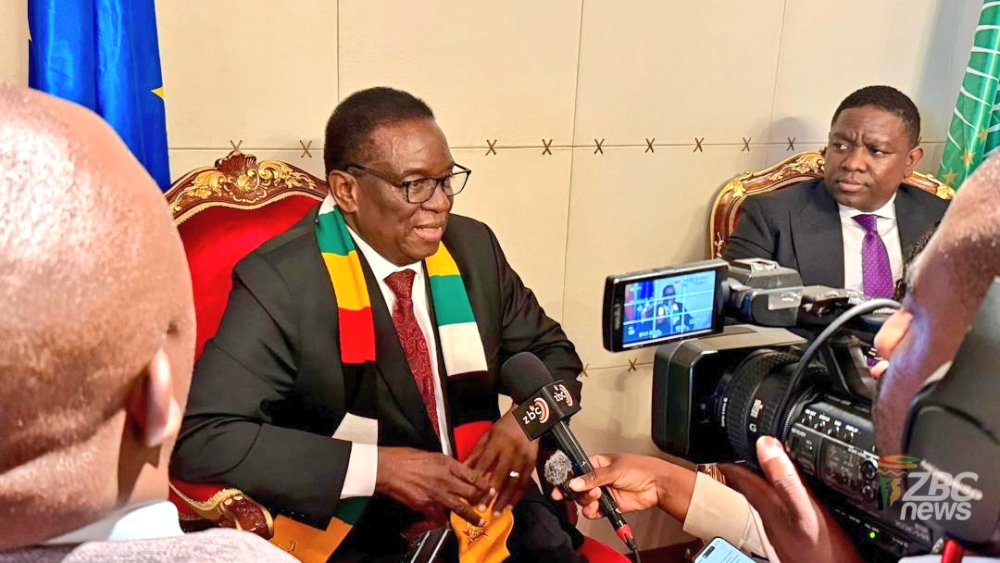
President E.D Mnangagwa has delivered a decisive and unambiguous message that marks a turning point in Africa’s approach to its natural endowments. His remarks signal not just a national stance but a continent-wide awakening: Africa will no longer permit its mineral treasures to be spirited away without producing real, measurable benefits for its own people.

In framing this new posture, President E.D Mnangagwa aligns himself with the emerging intellectual and political consensus across Africa – a recognition that the historic model of extraction, where foreign interests carted away raw materials for a fraction of their true value, was a structural trap that stunted development and entrenched dependency. That era, he asserts, is firmly behind us. More …

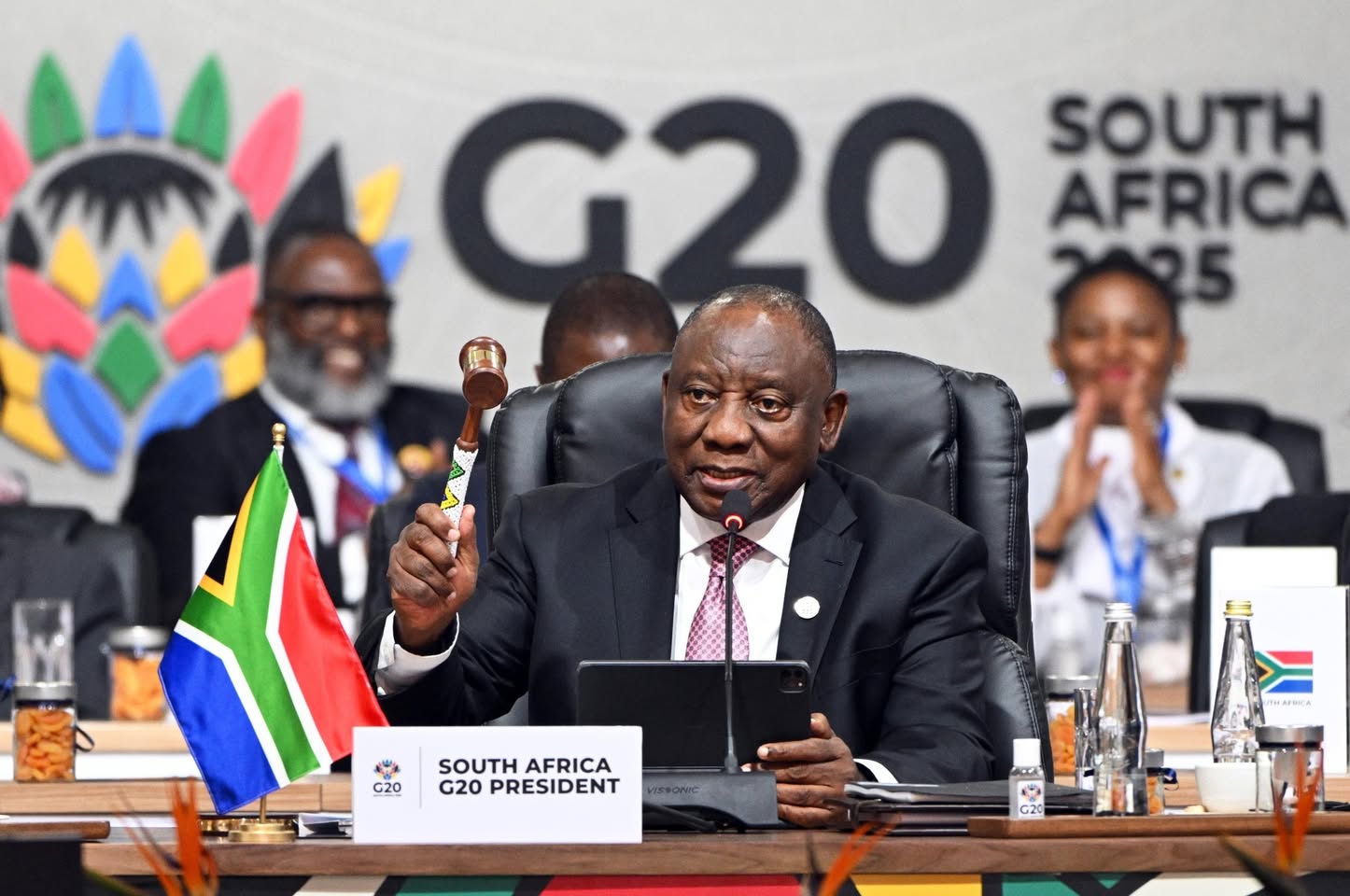
Diplomatic Maturity: South Africa’s Steady Hand at the G20 Helm

President Cyril Ramaphosa’s closing remarks – “This G20 summit is formally closed… we shall see each other again next year” – were more than procedural. They marked a quiet but unmistakable assertion of diplomatic maturity by South Africa.

Well done to South Africa, and to President Ramaphosa in particular, for firmly resisting Donald Trump’s characteristic bullying tactics. Trump’s behaviour at multilateral forums often reflects a unilateralist worldview: he prefers coercive leverage to consensus, transactional deals to collective responsibility, and personal dominance to institutional diplomacy. At this G20, he attempted once again to bend the multilateral process toward his own political narrative.
More …

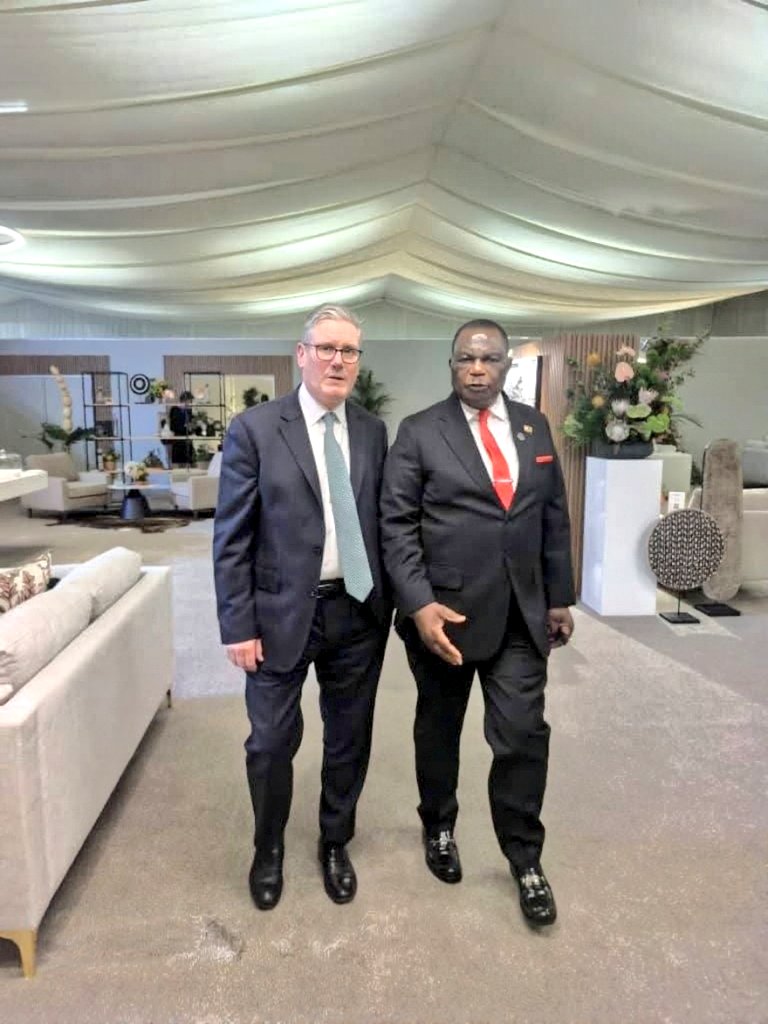
Diplomacy Over Estrangement: The Chiwenga-Starmer Engagement

Vice President Dr. Constantino Chiwenga held an engagement with British Prime Minister Keir Starmer on the sidelines of the G20 Leaders’ Summit in Johannesburg, South Africa.

The encounter carries significance well beyond protocol. Zimbabwe and the United Kingdom share a complex and painful history shaped by colonisation, the liberation struggle, and the profound rupture that followed the Fast-Track Land Reform Programme. For two decades, relations were defined by mistrust, sanctions, and diplomatic frostiness – a period in which Zimbabwe continued to assert its sovereignty while enduring political and economic pressure from London.
More …

Zimbabwe on the World Stage: VP Chiwenga’s G20 Diplomacy

Vice President Rtd General C.G.D.N. Chiwenga’s statement to the G20 reflects one of the most disciplined and forward-looking expressions of Zimbabwe’s development vision under President E.D Mnangagwa and the Second Republic. From a development economics standpoint, he articulates a modern strategy anchored in value-addition, human-capital development, governance reforms, and climate resilience, all aligned with Zimbabwe’s Vision 2030 and the African Union’s Agenda 2063. This positioning shows that Zimbabwe is not merely adapting to global trends but actively shaping its own ascent through industrialisation, digital transformation, and inclusive growth. More …