
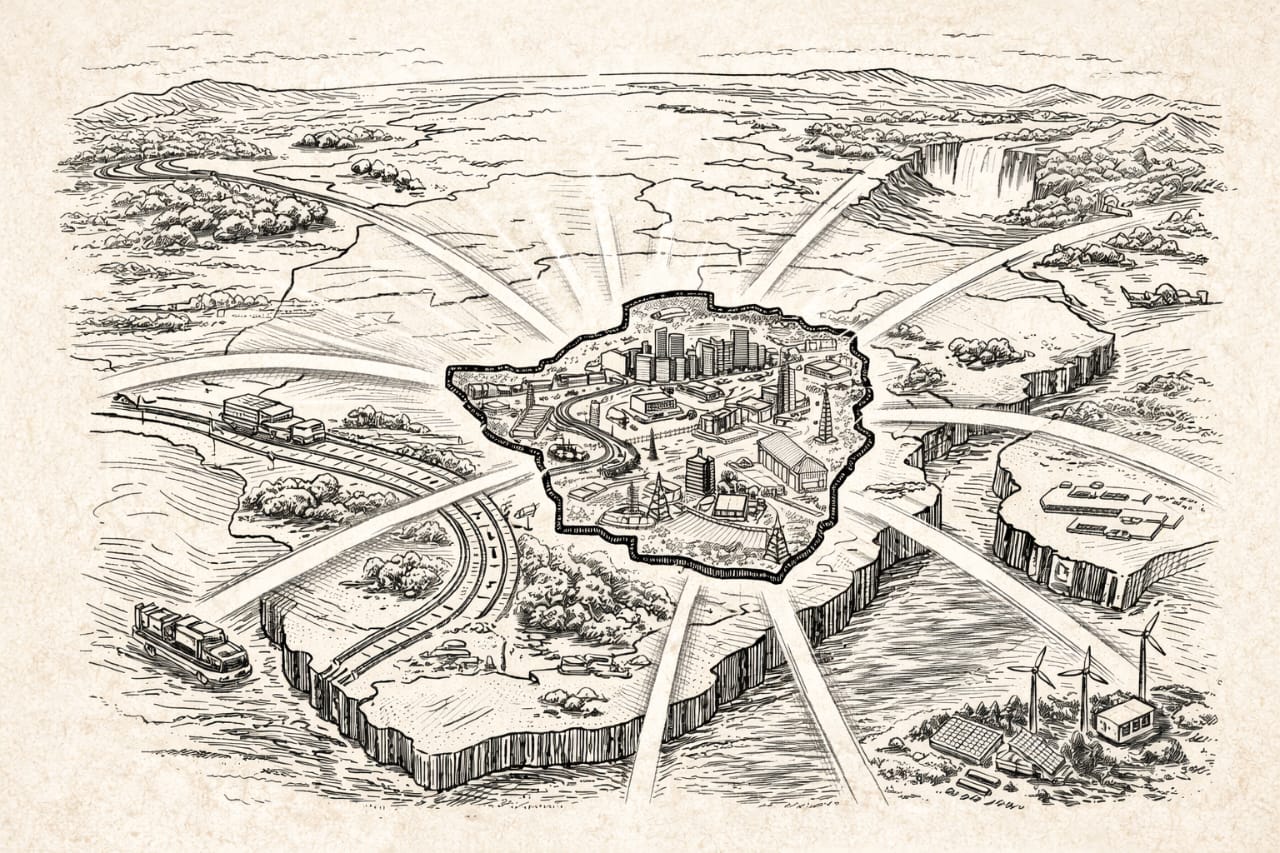
As we navigate the early months of 2026, the narrative surrounding Zimbabwe is undergoing a profound transformation. For years, the conversation was dominated by the language of recovery; today, it is defined by the acceleration of intent. Having successfully concluded the first phase of the National Development Strategy (NDS1) and now aggressively implementing NDS2, Harare is no longer looking inward. It is looking outward, positioning itself as the logistical, industrial, and ecological pivot – the true nexus – of the Southern African Development Community (SADC).
To understand this shift, one must look past the headlines to the structural realities. Zimbabwe’s geography is its most powerful latent asset. Situated at the intersection of the North-South and East-West corridors, the nation acts as the region’s natural circulatory system. What has changed is the intentionality behind this position.
Zimbabwe is transitioning from being land-locked to “land-linked,” viewing infrastructure not merely as a domestic necessity but as a regional public good. This is visibly operational along the North-South Corridor, where the rehabilitation of the Beitbridge-Harare-Chirundu highway has drastically reduced transit times. Zimbabwe is asserting itself as the indispensable bridge between Southern Africa’s coastal ports and the continental interior, effectively becoming the engine room of the African Continental Free Trade Area (AfCFTA).
This connectivity extends decisively into the bio-economy. As a linchpin of the Kavango-Zambezi Transfrontier Conservation Area (KAZA), Zimbabwe serves as the ecological keystone linking five nations. Victoria Falls has evolved from a scenic stopover into a sophisticated regional gateway for high-yield tourism and international diplomacy. Simultaneously, the safari and trophy hunting sectors are being recalibrated not as colonial relics, but as engines of sustainable community wealth. By championing a conservation model where wildlife funds its own protection, Zimbabwe acts as the “green nexus” of the region, driving a tourism circuit that benefits the entire Zambezi valley.
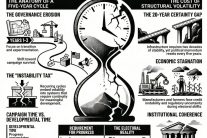
This role is underpinned by renewed domestic stability. The introduction of the Zimbabwe Gold (ZiG) currency in April 2024 marked a decisive break from the past. By anchoring the sovereign unit to real assets and enforcing monetary discipline, the volatility that once deterred investment is being exorcised. As we enter 2026, the “risk premium” lazily attached to Zimbabwean markets is losing credibility, replaced by the stability required for a nation to function as a regional financial hub. In a SADC bloc where policy consistency is prized, Zimbabwe’s newfound predictability is becoming a quiet competitive advantage.
Economic sovereignty remains a defining pillar, though its expression has matured. The era of simple extraction is giving way to integration and beneficiation. As global demand for critical minerals like lithium and platinum accelerates the green transition, Zimbabwe is rewriting the terms of engagement. The message is clear: do not come merely to extract; come to build. By insisting on local processing capacity, the country is transforming from a mine pit into a manufacturing node, ensuring that the value chains of the future are anchored on African soil.
On the diplomatic stage, this centrality was reinforced during Zimbabwe’s tenure as SADC Chair (2024-2025). Harare did not merely preside; it steered the agenda, advancing industrialisation and the SADC Regional Development Fund. Crucially, Zimbabwe is emerging as an energy nexus for the Southern African Power Pool, with investments in generation and transmission stabilising the regional grid at a time when energy security is a binding constraint on growth.
Ultimately, the old narratives of isolation are losing their explanatory power. What is emerging is a country aligning national ambition with regional necessity. For international partners, the reality is unavoidable: you cannot bypass the heart of the region. Zimbabwe is open for business, but on terms that recognise its status not as a periphery, but as the nexus of Southern Africa.

















































Post a comment