
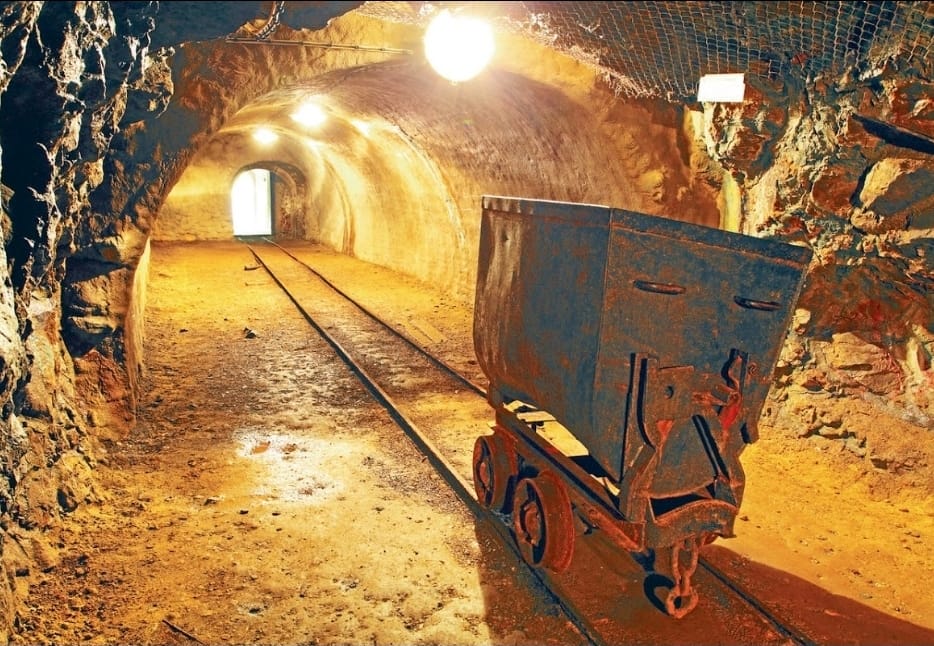
Six hundred megawatts added to the national grid. A record-breaking 46.7 tonnes of gold delivered to the state coffers. 560 000 tonnes of wheat harvested, securing national self-sufficiency. Three hundred million dollars poured into modernising the Beitbridge border corridor. A month-on-month inflation rate tamed to just 0.2 per cent. Over two billion dollars in annual diaspora capital flowing directly into the economy.
These are not campaign slogans. They are the cold, hard integers of a Zimbabwe that has stopped waiting for permission to succeed. For two decades, the global narrative on Zimbabwe has been a single, catastrophic script: crisis, collapse, and the inevitable end. But if you put down the newspaper and look at the concrete being poured, a different, inconvenient truth emerges. While critics predict the funeral, the Second Republic under President Emmerson Mnangagwa has been quietly engaged in the unglamorous, gritty business of statecraft. We are witnessing a calculated retreat from the theatre of politics into the engine room of economics – a shift that prioritises control over applause.
The most radical act of the current administration is its refusal to perform for the gallery. For years, Harare’s policies were judged by how well they played in London, a futile exercise that brought neither stability nor respect. That era is dead. The government has made a cold, professorial calculation: popularity abroad does not translate into electricity at home. Sympathy does not pave roads. You cannot eat accolades.
Consider the energy sector, the spine of any modern economy. For years, load shedding was the preferred stick with which to beat the state. Yet, the addition of Units 7 and 8 at Hwange was not a public relations exercise; it was an engineering reality. That predictability is the oxygen of industry. You cannot tweet your way to energy security; you build it, gigawatt by gigawatt.
This focus on the tangible extends to the borders. The modernisation of Beitbridge transformed a regional bottleneck into a strategic asset. In a region where logistics define power, Zimbabwe is no longer just a landlocked country; it is the inevitable node linking South Africa to the copper belts of Zambia and the DRC. When you control the movement of goods in Southern Africa, you hold a quiet but undeniable geopolitical leverage.
Economically, the shift is even more pronounced. The introduction of the Zimbabwe Gold (ZiG) currency was met with the usual scepticism, but this view misses the structural intent. This is not about winning a popularity contest; it is about establishing a fiscal firewall. By anchoring the currency to hard assets like gold rather than sentiment, the state is imposing a discipline that speculative markets hate but functional economies require.
Perhaps the sharpest break from the past is the handling of natural resources. Zimbabwe holds Africa’s largest lithium reserves, a critical mineral for the global green transition. In the past, this wealth would have been shipped out raw, creating jobs in foreign factories while leaving holes in the ground in Bikita. The ban on raw lithium exports is a masterstroke of sovereignty. It forces global capital to build processing plants here, keeping value within our borders. This is not “resource nationalism” in the pejorative sense; it is resource intelligence.
Even the financing model has shifted. While traditional donors lecture, the Zimbabwean diaspora acts. Remittances have surged, outpacing traditional foreign aid. This is capital based on kinship, not conditionality. It is a vote of confidence from those who know the country best.
ZANUPF has survived not because it is perfect, but because it thinks in decades while its detractors think in news cycles. The Second Republic has chosen the pain of structural reform over the sugar rush of short-term populism. The silence you hear is not stagnation. It is the sound of a country resetting its foundation, indifferent to the noise, focused entirely on the long game.
















































Post a comment