
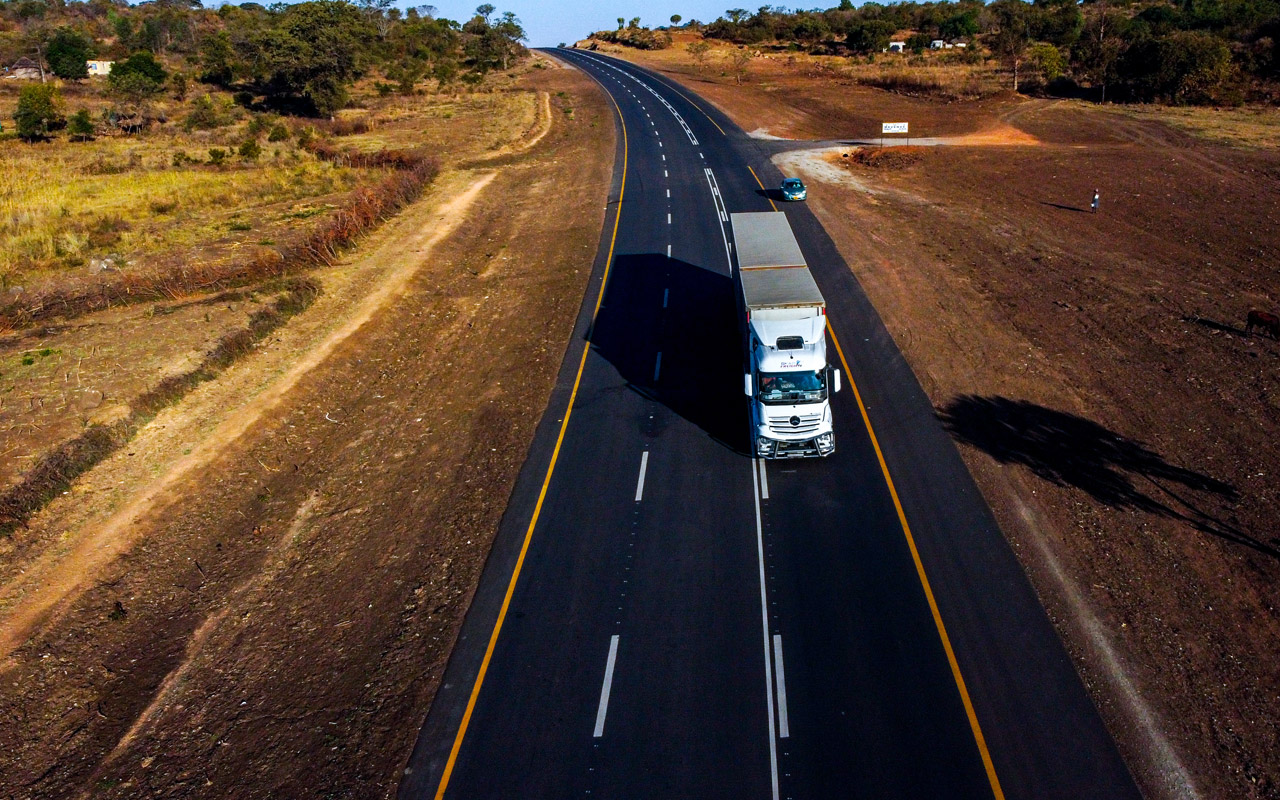
There is a peculiar ritual in Zimbabwe’s digital space – predictable; almost mechanical. You post a rebuilt road, a new clinic wing, a dam wall rising, or power units being restored – and someone arrives, right on cue, with the same sneer disguised as a question: “Where were you when the infrastructure you’re rebuilding today was collapsing?” It is not asked to understand, but to score points.
That question only sounds clever if we pretend infrastructure collapses for entertainment – as if highways, waterworks, hospitals, rail, and power stations simply wake up one morning and decide to die. A serious answer requires adult economics, not comment-section theatrics on Facebook and X.
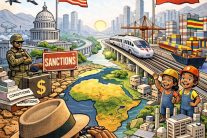
The truth is simple: infrastructure is an economic output, not a motivational quote. It is sustained by money; spare parts; credit lines; insurance; stable procurement channels; and long-term capital planning. When that ecosystem is choked through sanctions pressure and financial restrictions, maintenance backlogs form. When those backlogs compound, systems degrade. Then, once the damage is visible, some people retell the story as if decline was “natural” – as if it had no authors and no mechanics.
This is why the “where were you?” sneer so often arrives wrapped in selective amnesia. Whether one calls them “sanctions,” “restrictive measures,” or “targeted actions,” the intent of economic pressure is not mysterious: it raises the cost of money, limits access to capital, complicates trade, disrupts credit, and turns ordinary national functions into expensive, slow, uncertain operations – all for political ends. The most effective pressure is rarely the loudest; it is the kind that quietly makes procurement harder, financing costlier, and long-term planning fragile.
Then comes the favourite escape hatch: “But sanctions were relaxed and re-targeted.” To some extent, yes – but the architecture still bites. Even when formal restrictions are adjusted, the penalties often persist through indirect channels: de-risking by banks and insurers who would rather avoid the compliance risk; over-compliance, where private institutions apply stricter standards than required; correspondent-banking hesitations that complicate payments; reputational costs that inflate borrowing; and transaction friction that delays imports of spares, medicines, and equipment. In practice, rules can soften on paper while the incentives that punish engagement remain very much alive.
So, when someone mocks development today without acknowledging the long disruption to capital, spares, financing, and payment pathways, they are not being “critical.” They are being unserious.
Destruction is fast; recovery is slow – and that is not propaganda, it is economics. It takes months to derail maintenance schedules and confidence. It can take years, even decades, to recapitalise a national infrastructure ecosystem; because recovery is not one project – it is the rebuilding of the pipelines that make projects possible.
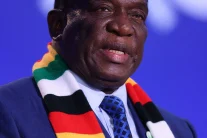
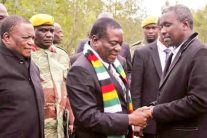
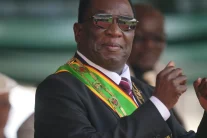
Against that backdrop, the rebuild under the Second Republic is best understood as development under constraint. Under President Emmerson Dambudzo Mnangagwa, the strategy increasingly reads like pragmatic statecraft: stabilise systems; mobilise internal resources; attract investment where possible; and rebuild state capacity despite hostile external conditions.
This is precisely why critics rush to label roads, dams, bridges, clinics, and power rehabilitation as “PR.” If progress is acknowledged, then permanent despair stops being a credible political programme.
And that is the heart of the matter. The real question is not “where were you?” The real question is why some people become allergic to progress unless it arrives wearing their preferred narrative. Because the sneer is rarely about history; it is about denying the present – and trying to freeze Zimbabwe inside a permanent crisis.
So yes, ask “where were you?” – but ask it like a serious adult. Do you believe economic pressure doesn’t spill onto ordinary people? Do you think recovery happens on command, overnight? Do you want Zimbabwe fixed, or do you want Zimbabwe frozen in crisis because it suits a storyline?
A serious citizen points out what is wrong – and still recognises what is being built. The unserious one mocks the rebuild, then pretends the fire had no matches.











































Post a comment