
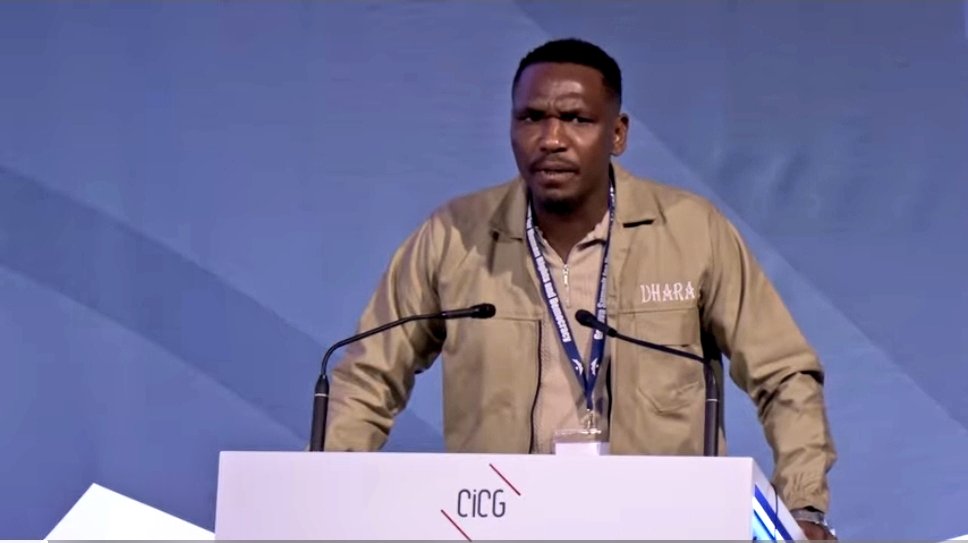
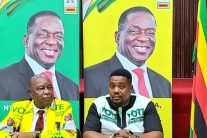
I listened carefully to Blessed Mhlanga’s address in Geneva yesterday. As he spoke, one thought would not leave me: does he understand that words uttered in Geneva do not remain in Geneva? They travel. They are recorded. They are cited. They become material for policy briefs, risk assessments and diplomatic memoranda. They may also carry legal consequences back home.
There is an old proverb that says, “The coward lives long enough to point out the grave of the brave man to his children.” Properly understood, it is not a celebration of cowardice. It is a warning against reckless heroics. It reminds us that foolish bravery often ends in ruin, while caution and judgement preserve both life and purpose. In politics, as in war, uncalibrated boldness can destroy the very cause it claims to advance.
It is easy to sound defiant before foreign audiences. It is far more difficult to measure the long-term consequences of one’s rhetoric on the country whose passport one carries. When Zimbabwe is described abroad as sliding into sophisticated repression, when “lawfare” is invoked as shorthand for systemic oppression, those phrases do not dissolve into conference air. They solidify into perception. Perception shapes policy. Policy influences capital flows, tourism advisories, credit outlooks and diplomatic posture. National reputation is not theoretical; it is an economic variable.
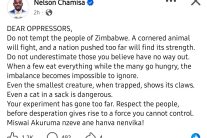
One must therefore ask – does Blessed Mhlanga truly believe that seasoned political actors such as Nelson Chamisa, who deliberately calibrate their speech within legal bounds, do so out of fear? Or could it be that they understand something fundamental about power, law and consequence? Political maturity lies not in volume, but in precision. It lies in knowing how far to go, and where the legal and strategic red lines lie.
Section 22A of the Criminal Law (Codification and Reform) Amendment Act was not enacted in a vacuum. It addresses wilful conduct that injures sovereignty and national interest. It does not criminalise disagreement. It does not outlaw journalism. It speaks to intentional participation in platforms or actions designed to advance objectives detrimental to the State.
There is a clear distinction between criticising government policy within domestic constitutional frameworks and amplifying narratives abroad that invite punitive external action. The former is democratic engagement. The latter risks becoming strategic reputational harm.
Zimbabwe has shown considerable restraint. Many inflammatory statements, vulgar online attacks and demonstrably false claims have gone unprosecuted. But restraint should not be mistaken for indifference. A sovereign State retains both the authority and the duty to defend its national interest.
Criticism is lawful. Reckless grandstanding that imperils national standing is not wisdom – it is miscalculation. And both history and the law rarely remember miscalculation kindly.













































Post a comment