
Growing up in areas bordering Midlands and Mashonaland West, one name always stood out to me in Gokwe North – Copper Queen. To my young mind, it felt like an oddity. An unmistakably English name sitting in a landscape rich with powerful Shona place names – Nembudziya, Gandavaroyi, Gandavacheche, Mudzongwe, Tiki, Madzivazvido, Chinyenyetu, Kuwirirana. These names carried texture, history, and meaning. Copper Queen felt different – foreign, curious, intriguing.
What I did not understand then was that Copper Queen was already more than a mine. It had crossed an invisible line – from extraction point to lived geography. The name did not remain confined to a shaft or a claim. It became a reference point, a farming area, a way people located themselves. Nearby, there was also Copper King, another copper site in the same mineralised zone. But Copper King never made that transition. It remained a technical marker – present in records and reports, but largely absent from everyday belonging.
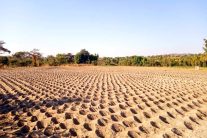
Through conversations with schoolmates and exposure to agricultural extension workers, I slowly came to associate the Copper Queen area with black-owned small-scale commercial farming, long before the Fast Track Land Reform Programme reshaped the land question. Even then, Copper Queen lingered in my mind as more than just a name. It felt like a quiet echo from another era, shaped as much by people as by ore.
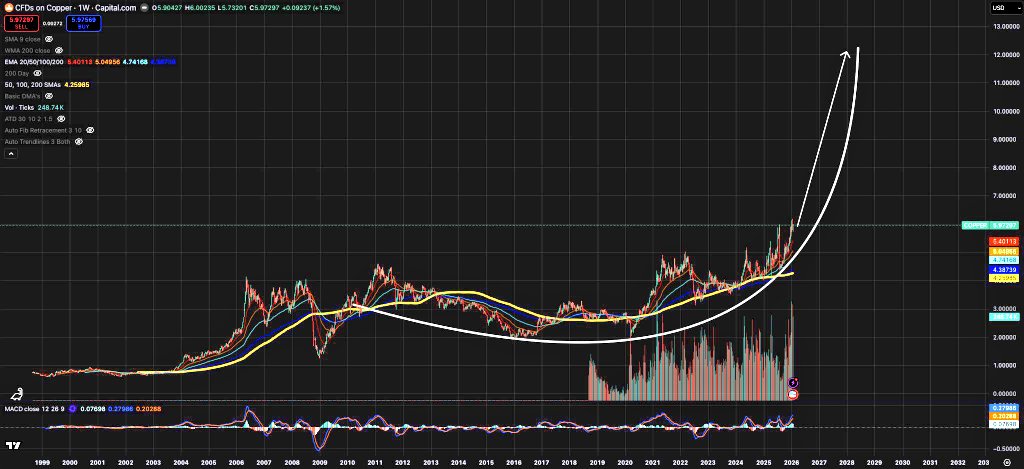
That long-held memory found fresh relevance today after I came across a post on X noting that copper is breaking out of a 20-year resistance. This is not speculative hype – it is structural reality. An estimated 10 000 years’ worth of copper demand is projected to be consumed in just the next 18 years. The reasons are obvious. Electrification, electric vehicles, renewable energy, AI data centres, and grid expansion – all of it runs on copper. Meanwhile, supply is constrained by declining ore grades, chronic underinvestment, and long development lead times.
This is how commodity supercycles begin.
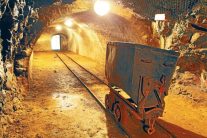
With that context in mind, I found myself returning to Copper Queen – not as nostalgia, but as inquiry. I looked it up, hoping Zimbabwe would not be absent from this unfolding story. To my pleasant surprise, it is not. Zimbabwe hosts historical copper assets, including Copper Queen itself, a farming area whose name derives from a mining asset that symbolised copper potential long before today’s shortages emerged.
Suddenly, areas like Gokwe North and Sanyati (the Sanyati Copper Belt), Mhangura, and Shamva feel relevant again – at least in copper-mining terms.
In a world scrambling for copper, previously marginal or dormant deposits begin to matter. Copper Queen is no longer just a historical footnote. It stands as a quiet reminder that Zimbabwe sits on resources whose strategic value is rising faster than their public profile.
If copper does move 2–5× within the next cycle, as the breakout suggests, countries with proven copper geology – even outside the classic Copperbelt – inevitably re-enter the conversation.
One can only imagine the excitement in Zambia today.
The timing could not have been better.



















































Post a comment