
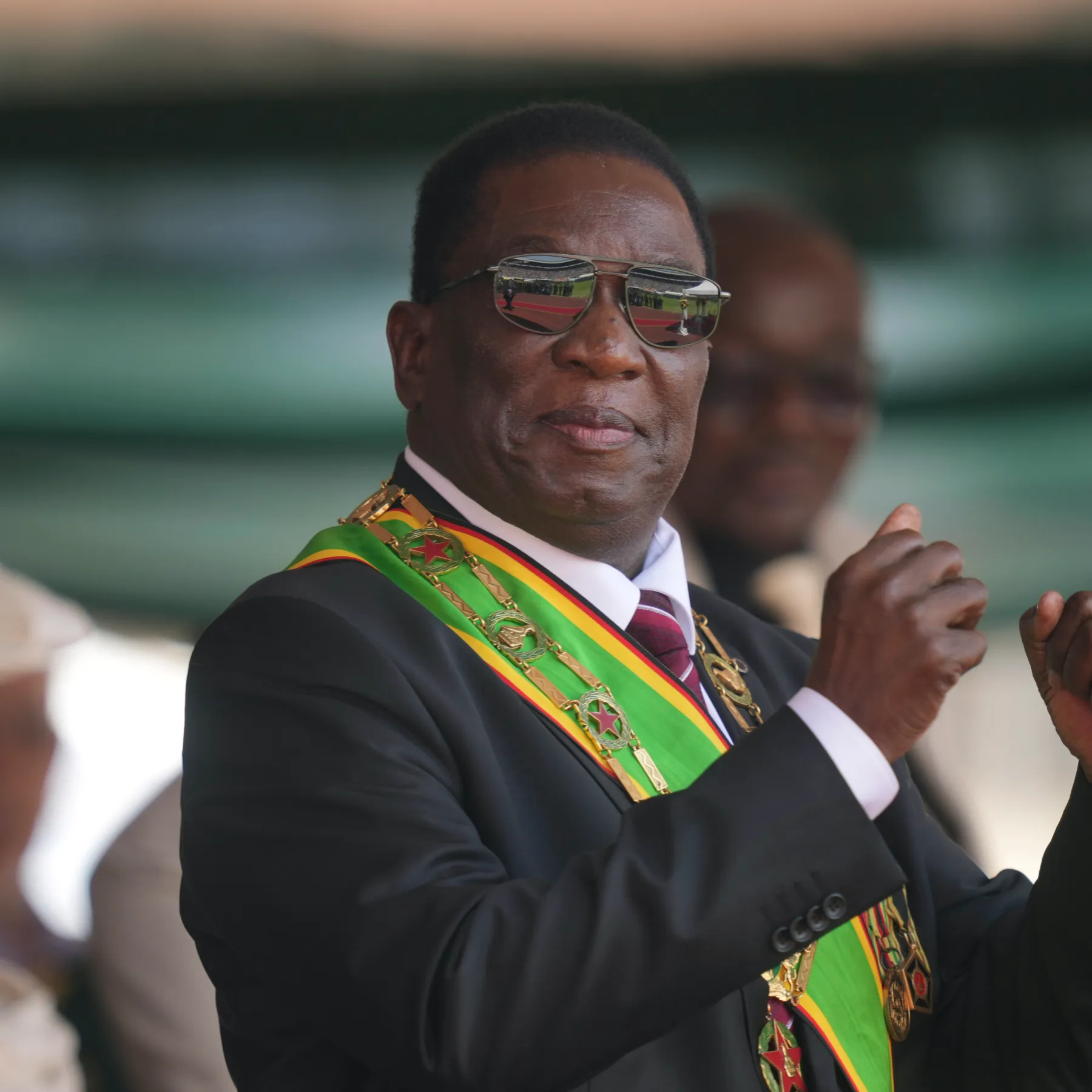
At the close of 2025, Zimbabweans find themselves at a vantage point that demands a moment of quiet, honest reflection. To truly understand the state of the nation, one must ignore the transient noise of social media and instead look at the receipts – the tangible, measurable evidence of a country in transition. These are not the kind of receipts that fade; they are the kind you can drive on, harvest from, and calculate in the hard language of macroeconomics. This is the year-end audit of a nation that, despite immense external pressure, has chosen the revolutionary act of building over the convenient act of complaining. The story of 2025 is a narrative that holds even when you remove party colors and demand evidence, because the strongest defense of the Second Republic is found in independent corroboration.
The World Bank’s Zimbabwe Economic Update, published in late 2024 and validated by the performance of 2025, projected a robust rebound with an estimated 6.6% GDP growth. This growth, powered by agriculture, services, and a revitalised mining and steel sector, is a reality that transcends political rhetoric. When global financial institutions validate a nation’s trajectory, the argument shifts from opinion to fact. Central to this growth has been the record-breaking performance of our mining sector, specifically the “yellow metal” that anchors our sovereign wealth. In 2025, Zimbabwe didn’t just meet its targets; it shattered them. Gold production surged past the 40-tonne mark, reaching an all-time peak of 42 metric tons by November. This golden harvest – driven largely by the artisanal and small-scale sector which contributed over 70% of output – generated nearly US$4 billion in foreign currency earnings. In an era of record global bullion prices, Zimbabwe’s decision to formalise and empower its local miners has turned a sector once prone to smuggling into the bedrock of our national reserves.
Agriculture remains the second visceral receipt of our sovereignty. A nation that can feed itself is a nation that cannot be easily intimidated. Following the climate shocks of previous seasons, 2025 has seen a recovery that underscores the brilliance of the Pfumvudza/Intwasa model. This is more than a program – it is a method of turning millions of smallholder plots into a collective fortress of national resilience. The evidence of this success was made clear when the government reinstated a maize import ban, a confident policy move made possible only by a bumper harvest and granaries that are finally full. If agriculture provides the lifeblood, infrastructure provides the skeleton of the new Zimbabwe. Arguments over ideology tend to evaporate when confronted with concrete and steel. The Trabablas Interchange – formerly known as Mbudzi – stands as a major urban mobility project that has already changed the rhythm of Harare’s traffic and commerce. Simultaneously, the strategic Harare-Beitbridge corridor continues its march toward completion, acting as a trade artery that lowers the hidden taxes of distance and time for every consumer in the region.
These developments are not isolated; they are part of a broader shift from crisis management to systemic stability. Foreign currency generation is no longer a vanity metric – it is the fuel for our pharmacies, our factories, and our fuel stations. With inflows reaching US10.4billion and foreign reserves rising to US900 million, the economy has gained the breathing space necessary for the Zimbabwe Gold (ZiG) to anchor domestic trade. Even as we acknowledge global headwinds and energy shortages that may moderate growth to 5% in 2026, the government’s transparency about these challenges reflects a mature, serious administration. Energy remains a hurdle, but the approach in 2025 has been pragmatically inclusive. By widening participation to Independent Power Producers and allowing private players into electricity retailing and distribution, Zimbabwe is decentralising its path to universal access.
This development is underpinned by a robust social contract. A pro-ZANUPF vision is not merely about big business – it is about the protection of the vulnerable. The Basic Education Assistance Module continues to support over one million learners, ensuring that economic progress does not come at the cost of the next generation’s potential. By integrating food mitigation efforts with international humanitarian coordination, the state has demonstrated that it can be both a market driver and a compassionate guardian.
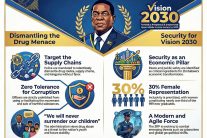
As we look toward the horizon, the launch of the National Development Strategy 2 (NDS2) for 2026-2030 serves as the engineering brief for our future. It transitions Vision 2030 from a distant goal to an immediate, actionable roadmap. This strategy intentionally anchors Zimbabwe in the digital age, recognising through the National Artificial Intelligence Strategy that the future belongs to nations that embrace innovation and data-driven decision-making.
The mature posture for a Zimbabwean patriot today is one of confidence without carelessness. We do not claim perfection, but we do claim progress. The story of 2025 is not that we have arrived, but that we are moving with purpose and pace. For a nation so often predicted to fail, this sustained movement is nothing short of historic.


















































Post a comment