
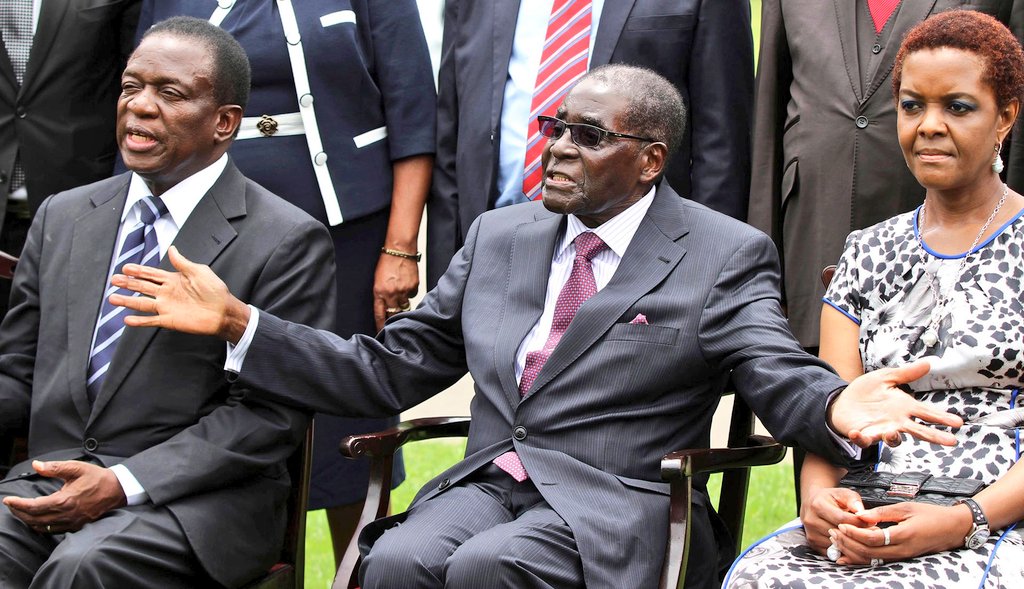
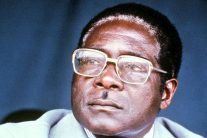
History tends to remember leaders less for the battles they wage than for how they choose to end them. In Zimbabwe’s case, the final chapter between President Robert Gabriel Mugabe and President Emmerson Dambudzo Mnangagwa reveals more about leadership than the turbulence that preceded it.
For decades, the country’s political life was shaped by a partnership forged in the liberation struggle and sustained through the long years of state-building. When that relationship ruptured in November 2017, the break appeared absolute. The hostility was raw, amplified by palace intrigues and the corrosive role of third parties – particularly the G40 faction – who thrived by isolating an ageing leader from his most stabilising alliances. At the time, it looked like a familiar tragedy of succession: mentor and protégé permanently sundered.
The recent disclosure that reconciliation occurred privately before President Mugabe’s passing changes how that moment should be understood. What once appeared as an irreparable fracture now reads as a conflict that, however bitter, found closure.
That distinction matters. Reconciliation in this context was not an emotional gesture or an exercise in nostalgia. It was a deliberate act of statecraft. Political history is crowded with alliances destroyed by manipulation and suspicion. In such moments, retaliation often feels natural, even justified. Yet it is precisely here that restraint becomes a strategic choice rather than a moral luxury.
President Mnangagwa’s refusal to govern by grievance cut against a familiar instinct. Resentment may satisfy the moment, but it narrows judgement and deepens factionalism. Leaders who remain captive to yesterday’s injuries struggle to navigate tomorrow’s pressures. Choosing reconciliation was less about absolution than about freeing the state from the drag of unfinished conflict.
More importantly, the decision protected the institutional memory of the liberation movement itself. Zimbabwe’s political identity is inseparable from that legacy. Leaving it fractured by unresolved hostility would have invited endless reinterpretation, forcing the nation into a false choice between honouring its past and securing its future. By closing ranks privately, both Presidents ensured that the transition would be remembered not as mutual destruction, but as succession tempered by restraint.
There is also a lesson here about dignity. How a political system treats its founding figures after power shifts is not a side issue; it is a signal. Preserving the dignity of a former Head of State, even amid profound disagreement, affirms continuity. It reassures citizens that political change does not require humiliation, exile, or ritualised revenge.
Perhaps the most telling feature of this reconciliation is its quietness. There was no spectacle, no public performance, no demand for applause. That silence was not accidental. It reflected an understanding that some decisions matter precisely because they are made away from the noise.
By choosing reconciliation over resentment, President Mnangagwa demonstrated a governing instinct often absent in high politics: the capacity to absorb heat without being consumed by it. In healing the breach with his predecessor, he resolved more than a personal chapter. He removed a lingering fault line from the nation’s history and affirmed a simple but enduring truth – that even in politics, closure can be a deliberate and strategic choice.



































Post a comment