Zimbabwe Unveils NDS2 as President Mnangagwa Charts Next Phase Toward Vision 2030

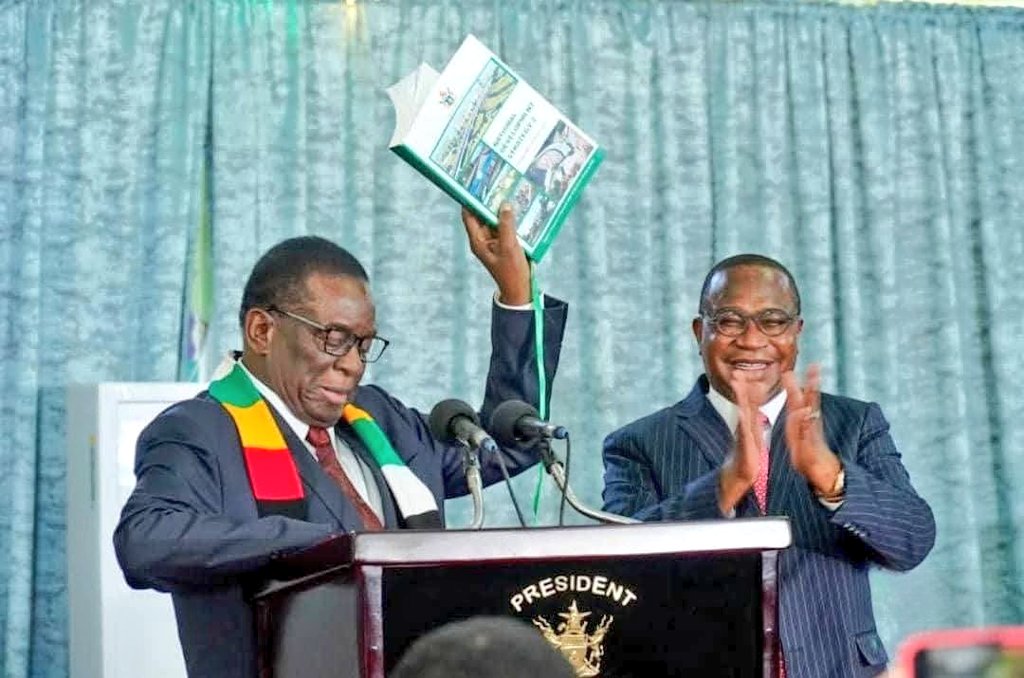
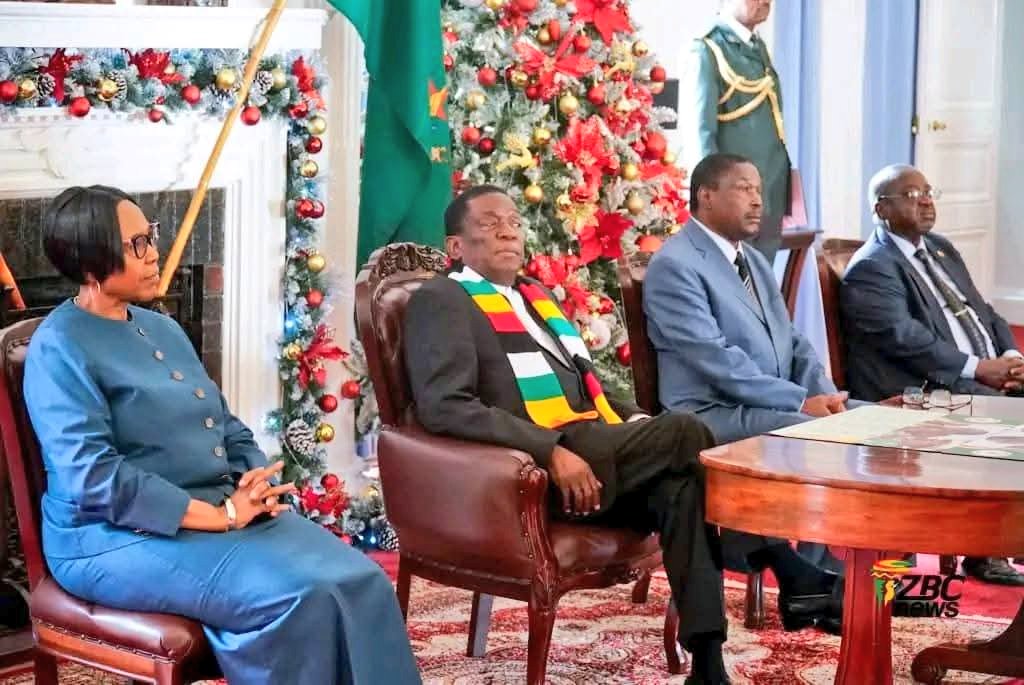
Zimbabwe today entered a new chapter of its development trajectory with the official launch of the National Development Strategy 2 (NDS2), the five-year economic blueprint that will guide national priorities from 2026 to 2030. The programme builds directly on the gains achieved under the Transitional Stabilisation Programme and NDS1, positioning the country to accelerate its march toward Vision 2030.

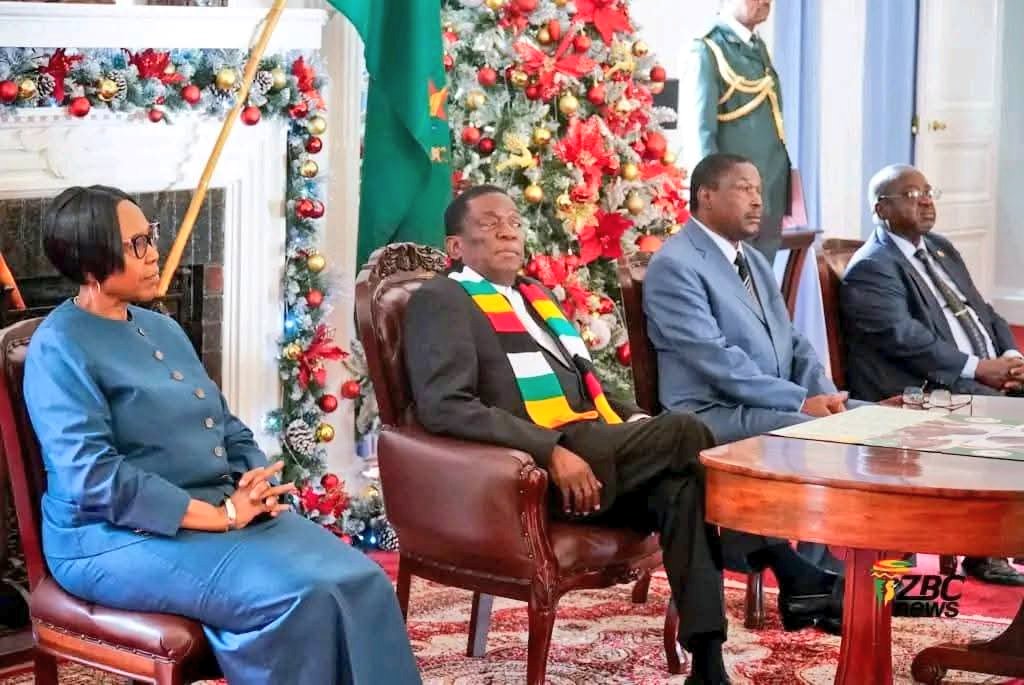
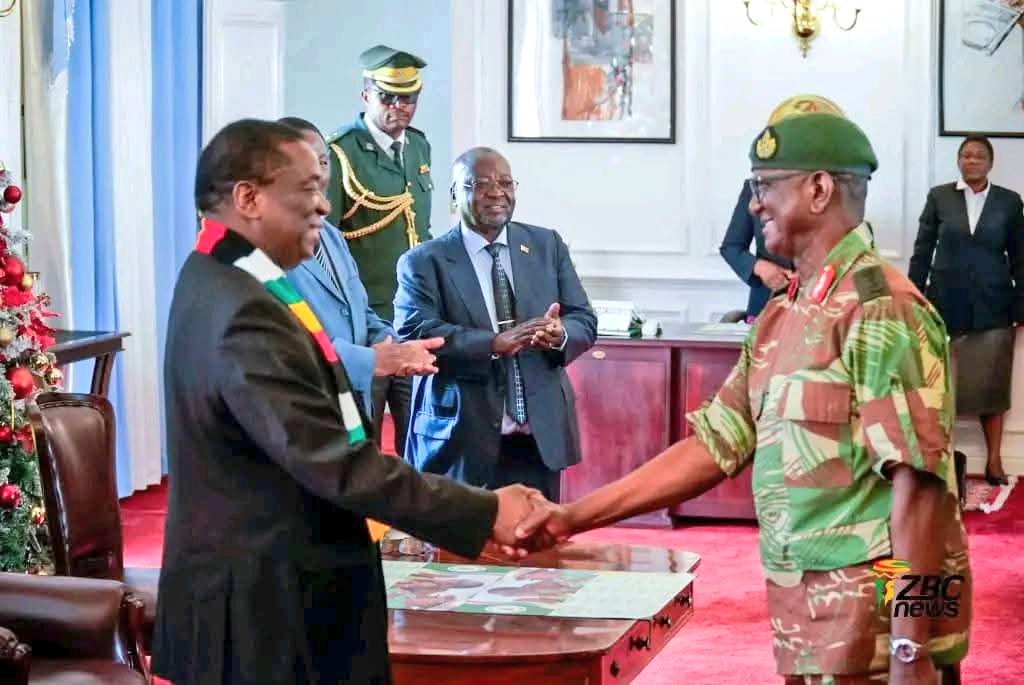
Vice President Dr Constantino Chiwenga and the Minister of Finance, Economic Development and Investment Promotion, Professor Mthuli Ncube, arrived at State House early in the afternoon, joining Cabinet Ministers, senior Government officials and members of the diplomatic community for the highly anticipated event. President E.D. Mnangagwa later stepped in to formally open the proceedings, signalling the start of a critical policy cycle for Zimbabwe’s medium-term future. More …

General Tapfumaneyi Assumes Command of the Zimbabwe National Army

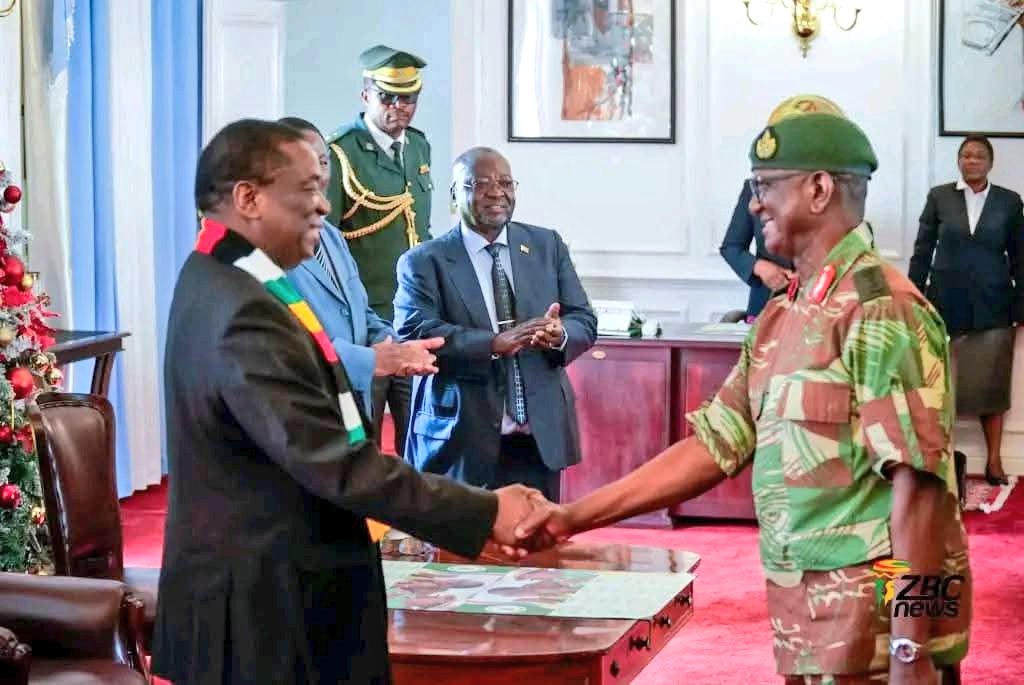
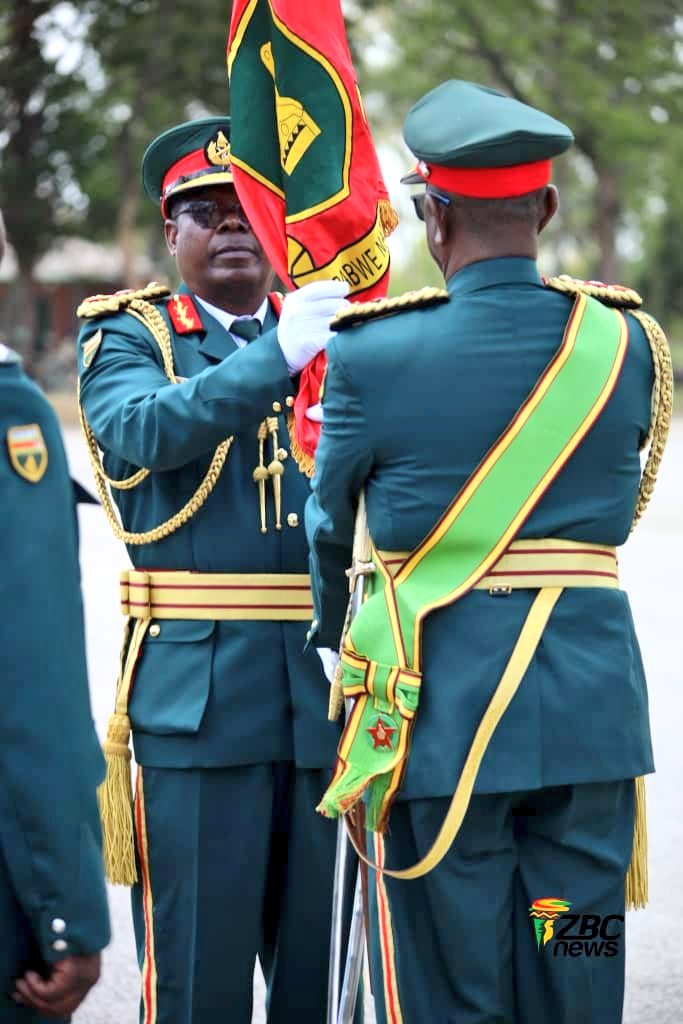
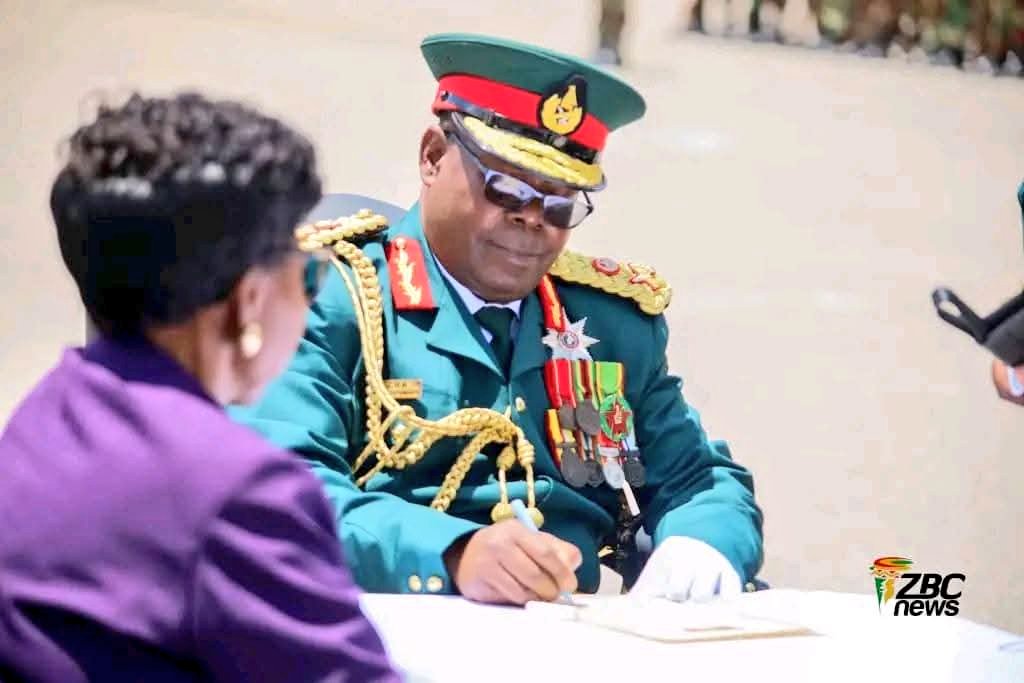
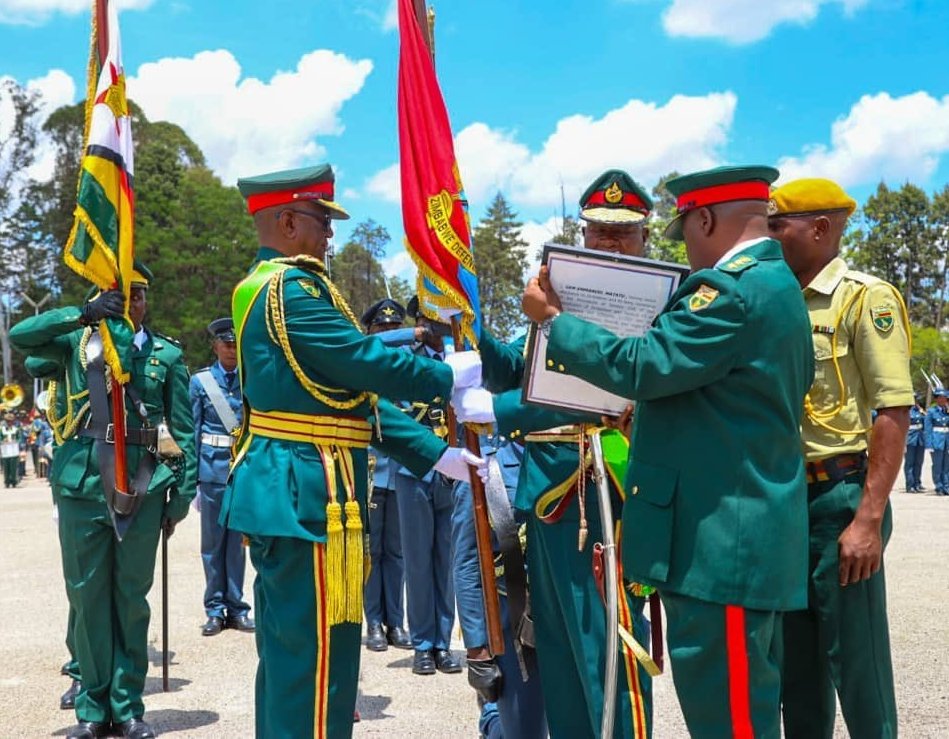
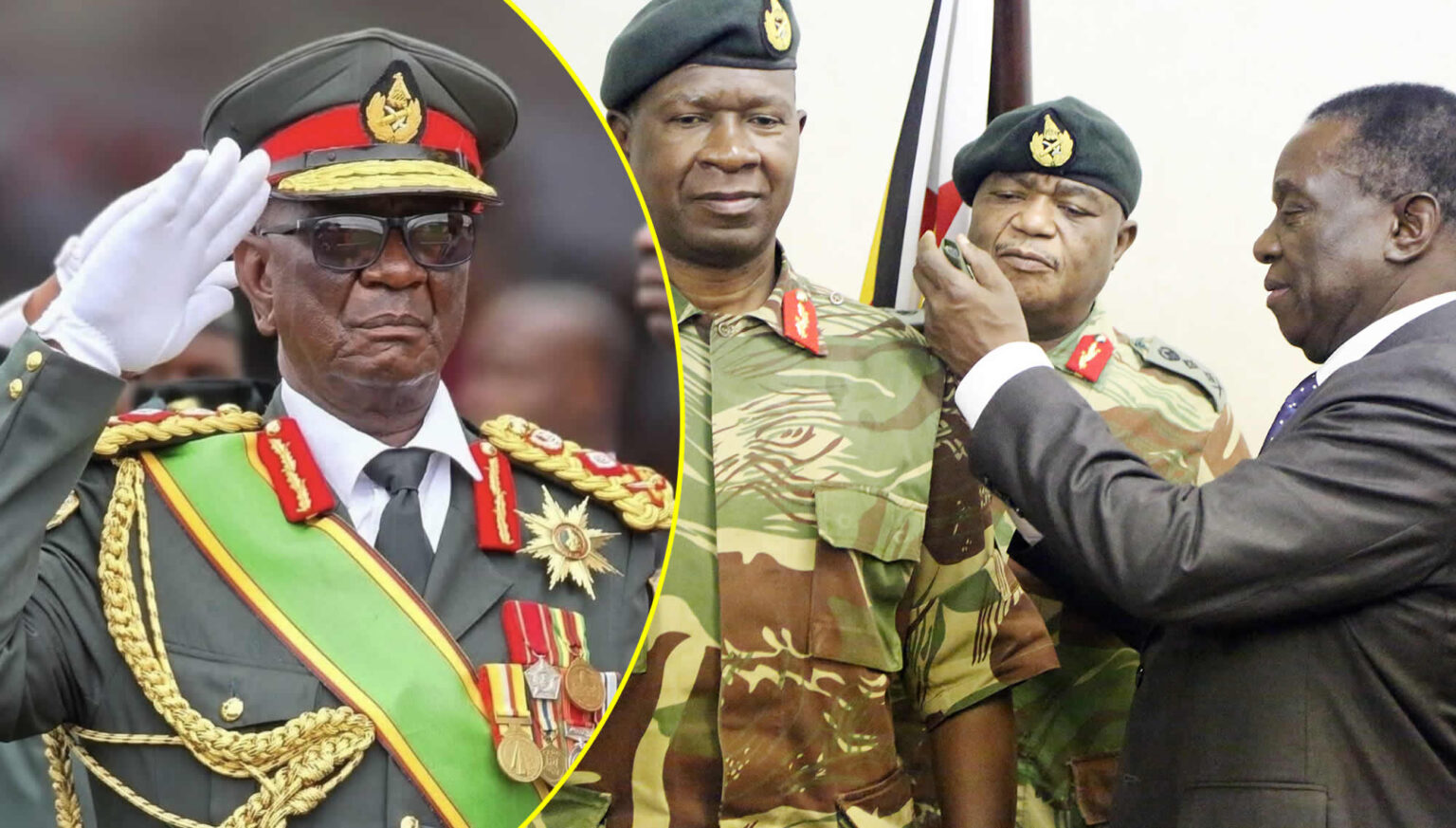
A formal change-of-command parade was convened at Charles Gumbo Barracks in Harare, where Lieutenant General Asher Walter Tapfumaneyi assumed operational and strategic command of the Zimbabwe National Army from outgoing Commander General Emmanuel Matatu. The ceremonial transfer of authority was presided over by the Minister of Defence, Honourable Oppah Muchinguri-Kashiri, who officiated the handover in accordance with military protocol.

Government Moves Swiftly to Stabilise Cement Supply as Economy Booms

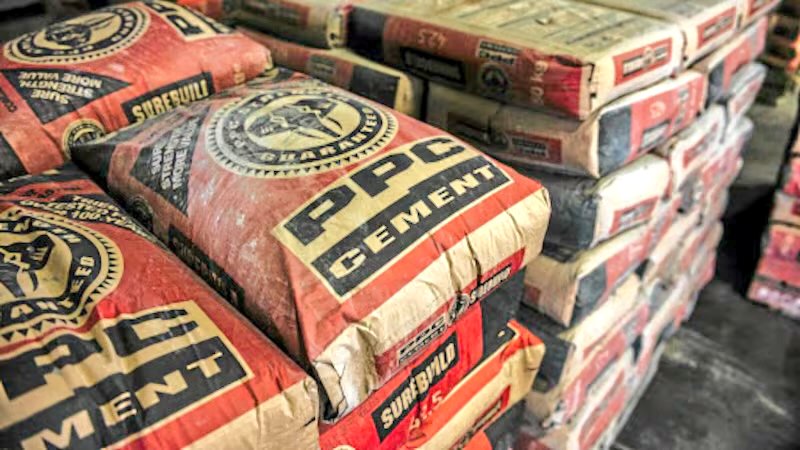
The Ministry of Industry and Commerce has moved decisively to address the temporary cement shortages, outlining a clear and confident strategy that reflects the Second Republic’s commitment to maintaining economic stability while safeguarding consumers. The Ministry explains that the current pressures stem from a convergence of regional and domestic factors, including a widespread clinker shortage, scheduled maintenance at Sino Zimbabwe, and unexpected breakdowns at PPC and Lafarge. These challenges emerged at a time when Zimbabwe’s construction sector is expanding at an unprecedented pace, with national cement demand now almost three times higher than in 2017 – a direct reflection of the infrastructure boom driven by President Mnangagwa’s development agenda. Rather than signalling a structural problem, the temporary shortage underscores the scale of economic activity and the speed at which the country is developing.
More …

A New Chapter in National Security: General Matatu Takes Command of the ZDF

General Emmanuel Matatu has formally assumed command of the Zimbabwe Defence Forces, taking over from General Philip Valerio Sibanda, who steps down into retirement. The transition marks a significant shift at the helm of the country’s military establishment.

This change of command signals continuity in stability while opening space for renewed strategic focus as the ZDF positions itself for evolving national and regional security demands.

Affordable and Clean: New Electric Buses to Ply University of Zimbabwe Route

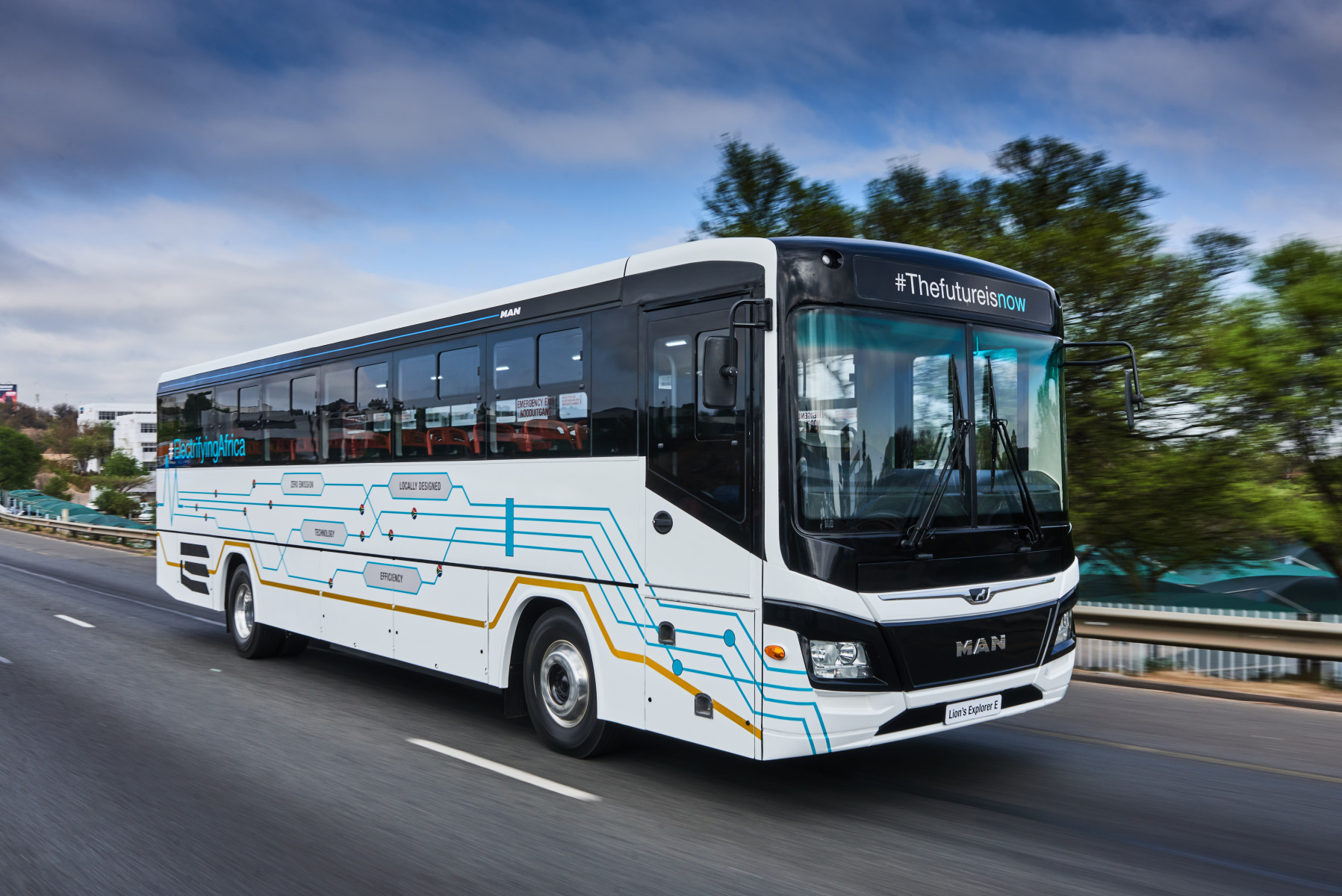
The President Mnangagwa-led Government, through CMED, has procured 16 new electric buses that will soon be deployed into the urban transport system. A pilot route between the University of Zimbabwe and the Harare City Centre is set to launch next month.

This investment reflects the Second Republic’s drive to modernise public services and improve everyday mobility. By adopting clean and affordable transport solutions, Government is reinforcing its commitment to a responsive, people-focused economy.

A strong mass public transport network is vital to achieving Vision 2030. Electric buses will help ease congestion, reduce travel times and promote safer, more reliable movement across urban areas, while advancing environmentally sustainable transport. More …

Zimbabwe on the World Stage: VP Chiwenga’s G20 Diplomacy

Vice President Rtd General C.G.D.N. Chiwenga’s statement to the G20 reflects one of the most disciplined and forward-looking expressions of Zimbabwe’s development vision under President E.D Mnangagwa and the Second Republic. From a development economics standpoint, he articulates a modern strategy anchored in value-addition, human-capital development, governance reforms, and climate resilience, all aligned with Zimbabwe’s Vision 2030 and the African Union’s Agenda 2063. This positioning shows that Zimbabwe is not merely adapting to global trends but actively shaping its own ascent through industrialisation, digital transformation, and inclusive growth. More …

ZDF Command Restructured as President Mnangagwa Appoints New Top Brass

H.E President Dr Emmerson Dambudzo Mnangagwa, Commander-in-Chief of the Zimbabwe Defence Forces, will on Monday, 24 November 2025, officiate a significant leadership transition at Charles Gumbo Barracks in Harare.

This follows the retirement of long-serving ZDF Commander, General Philip Valerio Sibanda, whose distinguished service spans more than five decades.

Demonstrating confidence in the next generation of defence leadership, President Mnangagwa has promoted Lt-Gen Emmanuel Matatu to the rank of General and appointed him Commander of the Zimbabwe Defence Forces, effective 21 November 2025. He has also elevated Maj-Gen Asher Walter Tapfumaneyi to Lieutenant General and appointed him Commander of the Zimbabwe National Army, effective 25 November 2025. More …

ZANUPF Reaffirms Reserved Sector Reforms to Strengthen Local Ownership and Boost National Prosperity

ZANUPF Harare Province Inter-District meetings have reaffirmed the ruling party’s commitment to restoring Zimbabwean control of the reserved sector and expanding economic opportunities for citizens. The resolutions, warmly received by grassroots supporters, signal a renewed push to ensure locals lead industries long dominated by foreign players. Foreign investors should not be alarmed, as the policy is designed to strengthen local participation while preserving a predictable and investor-friendly environment.

Cabinet has already approved a Reserved Sector Implementation Framework (3 June 2025), designating 15 sectors exclusively for Zimbabweans, including artisanal mining, bakeries, grain milling, logistics, estate agencies, hair and beauty services, passenger transport, and quarry mining. The reforms aim to correct long-standing imbalances while creating jobs, strengthening local enterprise, and retaining value within the economy. More …

Economic Sovereignty: Why Dr. Tagwirei is Right on Reserved Sectors

Cdes, we must distinguish between two matters that are too often mixed up: xenophobia on one hand and legitimate national policy concerns on the other. The position articulated by the ZANUPF Conference, endorsed by Cabinet, and echoed by Cde Dr. Kudakwashe Tagwirei firmly belongs to the latter category and reflects long-standing economic realities that Zimbabwe can no longer ignore.

In developing economies, the reserved-sector principle exists to safeguard micro-enterprise spaces that support millions of citizens. When these sectors remain unregulated, predictable distortions follow. Informal monopolies take root, domestic entrepreneurs are squeezed out, and foreign-currency leakages intensify. Zimbabwe is experiencing all these pressures simultaneously. The situation in areas such as kwaGazaland, kuMbare, the CBD, and other high-density commercial corridors is a clear example. Foreign-owned micro-stores now dominate retail spaces traditionally occupied by Zimbabweans. Their presence is not inherently problematic – foreign capital is important – but when it expands into reserved or low-capital, high-volume sectors, the outcome is sharply negative for citizen livelihoods. This is a structural challenge, not a personal one. More …

A New Chapter of Destiny – Zimbabwe and China March Into the Future Together

Harare witnessed something profound today – November 20, 2025 – something far deeper than diplomatic niceties or protocol speeches. When Chinese Ambassador H.E. Zhou Ding and Hon. Kudakwashe Mupamhanga addressed the China-Zimbabwe dialogue on aligning the 15th Five-Year Plan with Vision 2030, it became clear that Zimbabwe is no longer merely participating in global affairs. Zimbabwe is shaping its future with precision, clarity, and boldness under the revolutionary guidance of ZANUPF and the transformative leadership of President Dr. Emmerson Dambudzo Mnangagwa. More …