
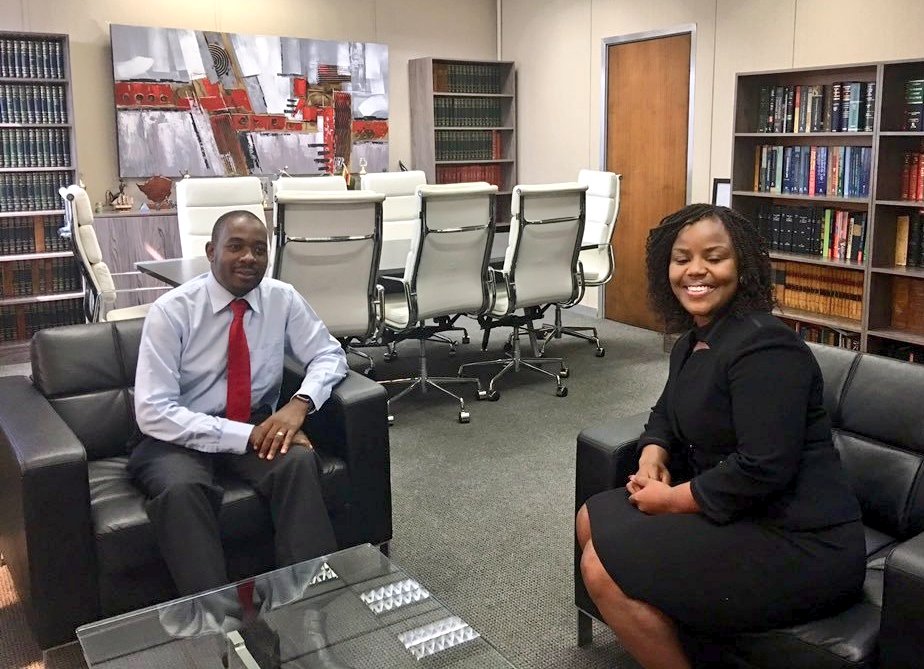
The undeniable reality is this: Fadzayi Mahere has overtaken Nelson Chamisa in both social media and in the public arena, and that places a target squarely on her back. This is precisely the moment when Chamisa’s loyal attack dogs – the bootlickers and political opportunists like Ostallos and Promise – begin to circle. The whisper campaigns are already festering in WhatsApp trenches, led by these figures who have perfected feigned loyalty. More …
Dec 20, 2025
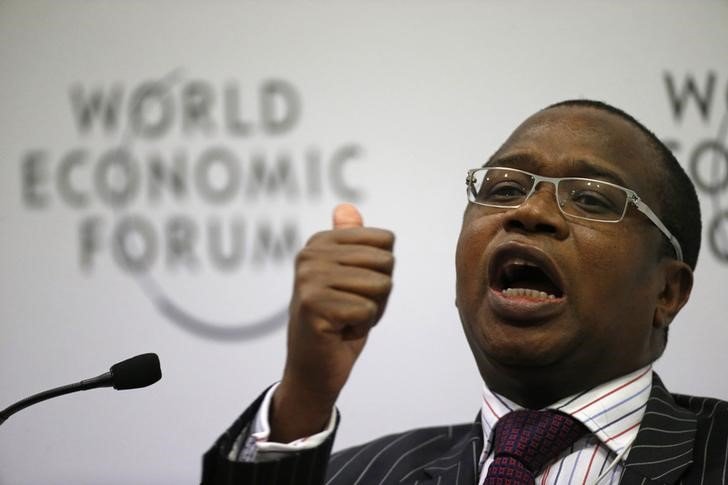
When historians eventually analyse the structural evolution of Zimbabwe, 2025 will likely be recorded as the definitive point of inflection. It was the year the specific gravity of reality finally crushed the buoyancy of digital hysteria. It was the year the economic debate did not merely break down, but was rendered obsolete by a government that simply performed beyond the capacity of its detractors to comprehend. For the better part of a decade, we have suffered a plague of “Twitter Economics” – a phenomenon where political sentiment masquerades as financial literacy. But in 2025, the Second Republic didn’t just govern; it outpaced the rhetoric, executing its mandate with such granular focus that attacking the economy as a proxy for political warfare became a futile, intellectually bankrupt exercise.
Throughout the year, we witnessed the peak of undisciplined commentary: a landscape where Zimbabwe was plagued by a surplus of opinions and a deficit of data. On social media, every movement of the exchange rate was weaponised: treated not as a standard market variable but as a portent of Armageddon. The digital opposition complex operated on a simple, flawed heuristic: if the government does it, it must be failing. They painted a picture of a nation in freefall, predicting a return to 2008 with repetitive monotony. However, economics is a science of measurement, not a contest of feelings. When one stripped away the vitriol and looked at the ZIMSTAT ledgers, the collapse narrative disintegrated against a wall of hard data. More …
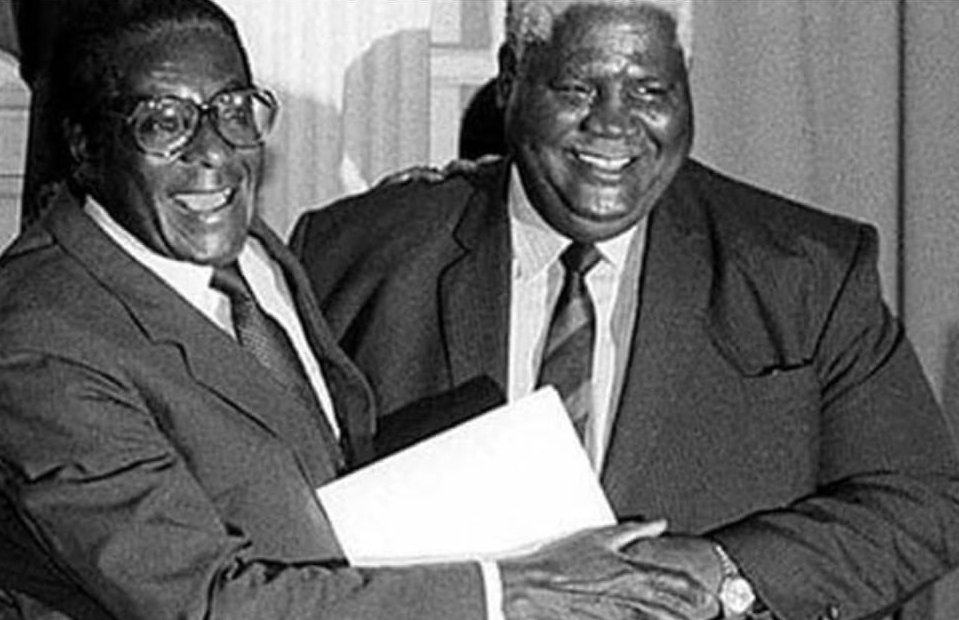
Every year, the 22nd of December arrives quietly, almost like a pause in the national calendar as we are all preparing for the December 25 and 26th holidays – a moment when Zimbabwe is invited to remember that the most difficult victories are not won on the battlefield, but in the heart of a nation learning to live as one. National Unity Day exists because we once discovered, painfully, that political independence is not the same thing as national cohesion. Every patriot across the length and breadth of our Great Zimbabwe honours a sacred covenant. The signing of the 1987 Unity Accord was not merely a political handshake; it was a deliberate act to end a season of internal conflict and to pull the country back from the edge. It was a miraculous stitching together of the very soul of our nation.
To speak honestly about the Unity Accord is to admit what made it necessary. The early years after Independence were marked by deep mistrust, insecurity, dissident violence, and heavy-handed responses. It was a period whose scars did not follow neat political boundaries, and whose pain still sits in family stories, unmarked graves, and silences passed down like inheritance. For seven long years, brothers who had shared the trenches of the Second Chimurenga found themselves on opposing sides of a tragic divide. The risk was total – the disintegration of the state and the reversal of our revolutionary gains. More …
Dec 18, 2025
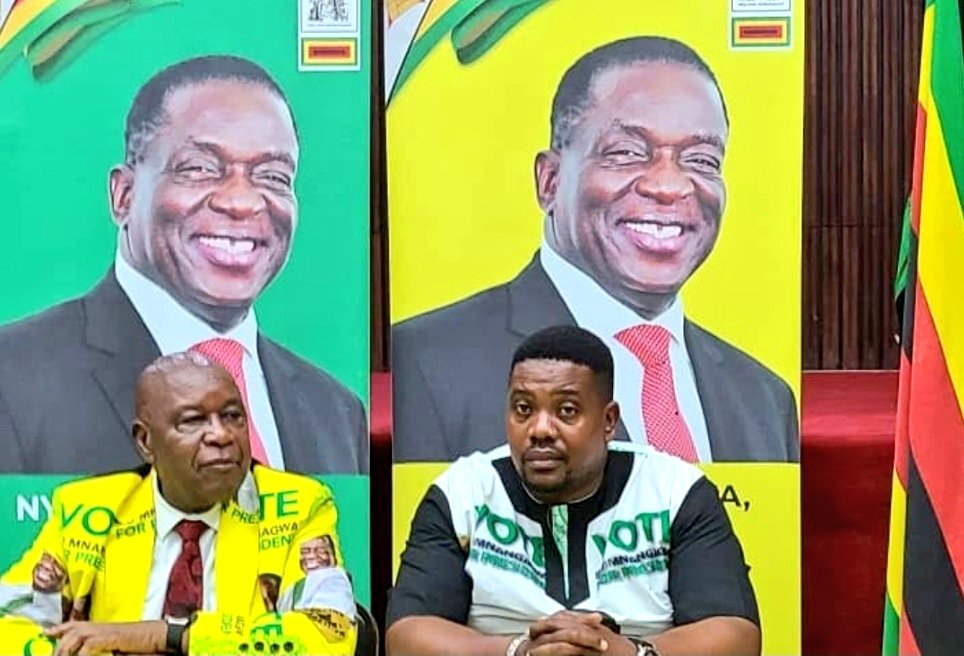
ZANUPF has cautioned against equating wealth, religious influence, or any other form of personal power with qualification for top leadership positions within the party.
Speaking to the media at the party’s headquarters in Harare yesterday, spokesperson Ambassador Christopher Mutsvangwa emphasised that advancement in the liberation movement is grounded in political maturity, ideological commitment, personal sacrifice, and a proven record of serving the people, rather than financial standing.
Dec 18, 2025
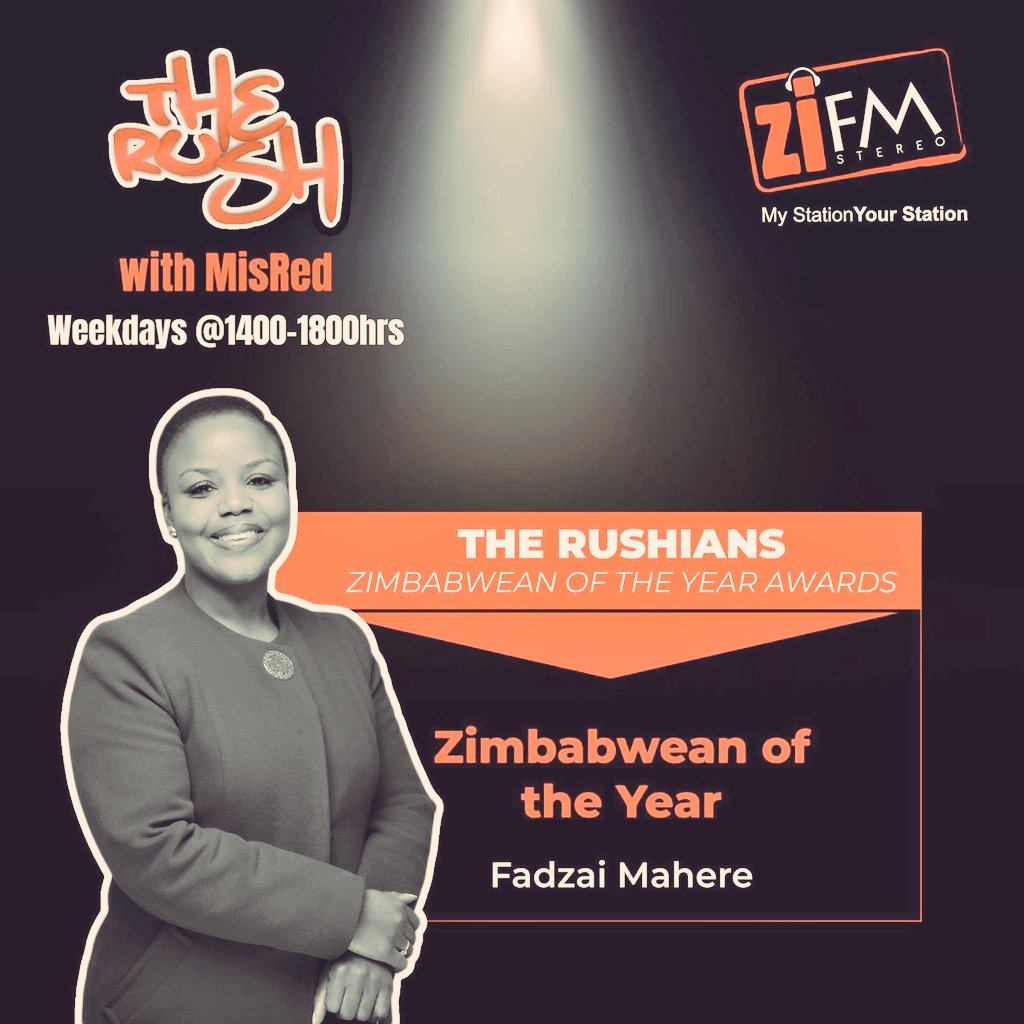
It is difficult to comprehend how a national broadcaster of ZiFM’s stature, on a programme hosted by the equally high-profile MisRed, could designate Fadzayi Mahere as Zimbabwean of the Year. In 2025, her public profile has been defined less by constructive national contribution and more by a sustained pattern of antagonism towards, and disparagement of, the country’s leadership.
This raises serious questions about the standards applied in reaching such a determination. What objective criteria were employed? On what empirical basis was the selection made? And to whom, exactly, does this outcome purport to speak? It is far from clear that the decision reflects the views, priorities, or lived realities of Zimbabwe as a whole.
Dec 16, 2025
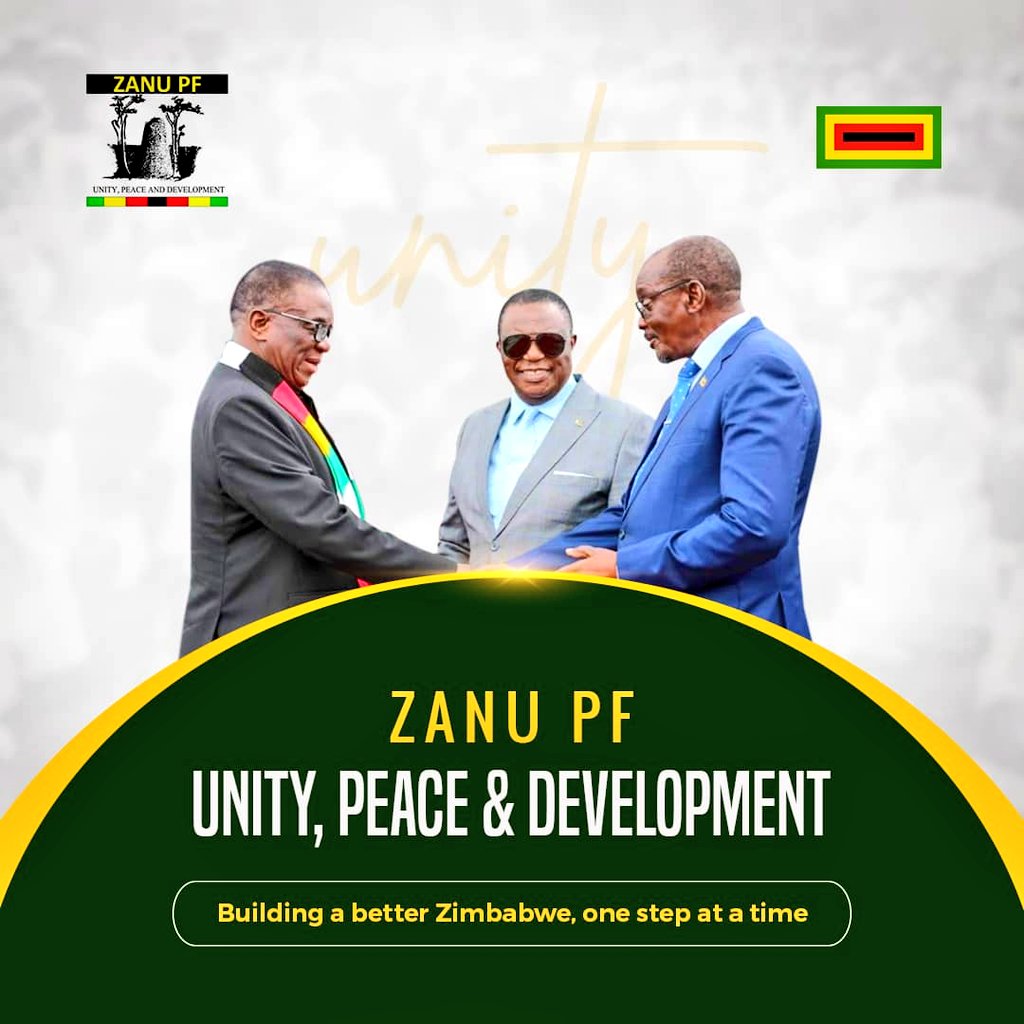
As Zimbabwe marks Unity Day on 22 December, detractors are once again recycling the tired claim that ZANUPF is divided and unstable. The claim collapses on contact with reality. ZANUPF stands united, disciplined, and resolute – anchored in shared values, institutional strength, and an unwavering commitment to national development.
The Party’s cohesion is visible in its orderly programmes, mature leadership, and well-coordinated structures. Attempts by opposition figures and online commentators to manufacture internal divisions have failed completely, exposing not cracks within ZANUPF, but the political bankruptcy of its critics. Social-media noise has not translated into real influence, and it never will. More …
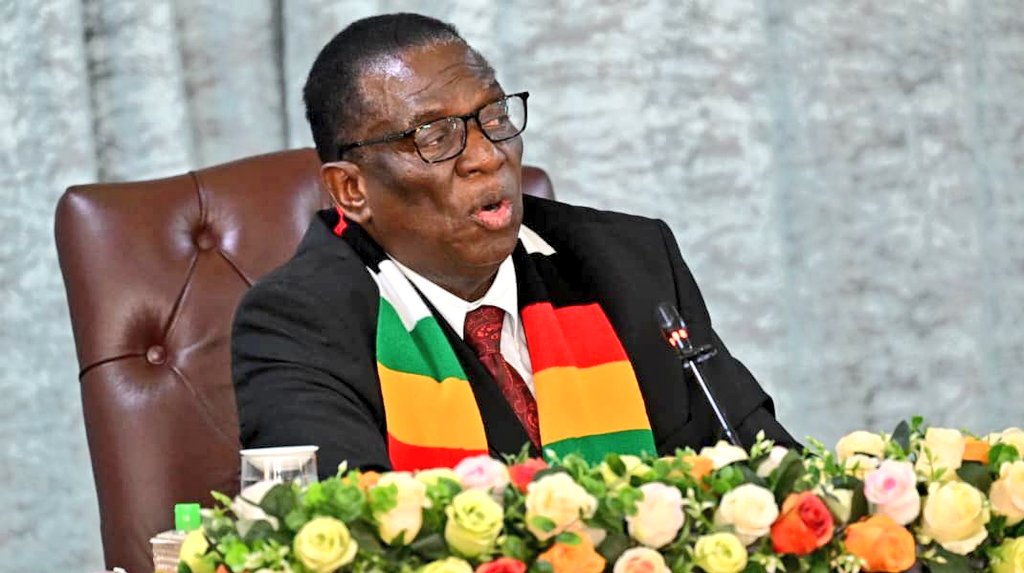
President Emmerson Dambudzo Mnangagwa today chaired the final Cabinet Calendar Meeting for 2025 at State House in Harare, marking the close of a year characterised by resilience, reform, and steady progress in national development.
In his address, the President thanked Cabinet ministers for their service, commitment, and collective dedication to advancing Government priorities throughout the year. He commended the effectiveness and responsiveness of Cabinet work in 2025, while urging members to further improve attendance, prioritise Cabinet business, and uphold the highest standards of responsibility befitting national leadership. More …
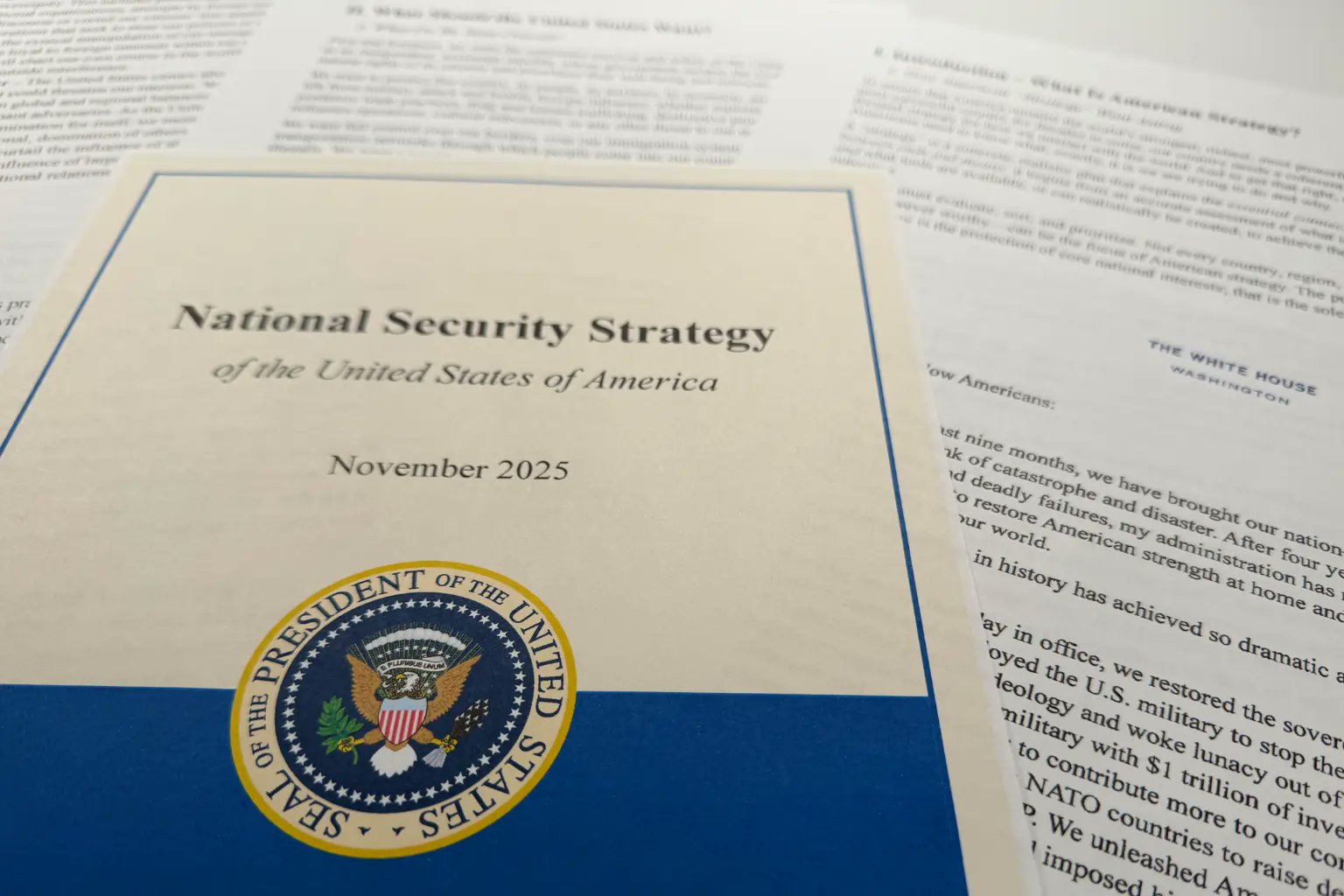
A serious African policymaker reads grand strategy the way an economist reads a balance sheet: not for poetry, but for what it reveals about incentives, constraints, and future behaviour. On that test, the 2025 U.S. National Security Strategy (NSS) is unusually candid. It is not a manifesto of global stewardship; it is a clear blueprint for America First transactional bargaining, deploying trade, technology, and capital markets as tools of leverage for U.S. commercial advantage.
Start with the economic core. The NSS argues that America First diplomacy must “rebalance global trade relationships,” calls the U.S. current account deficit “unsustainable,” and urges allies to adopt policies that help absorb China’s “enormous excess capacity.” In the same breath it makes a striking admission: “China’s state-led and state-backed companies excel in building physical and digital infrastructure,” and China has recycled “perhaps $1.3 trillion” of trade surpluses into loans to trading partners. More …
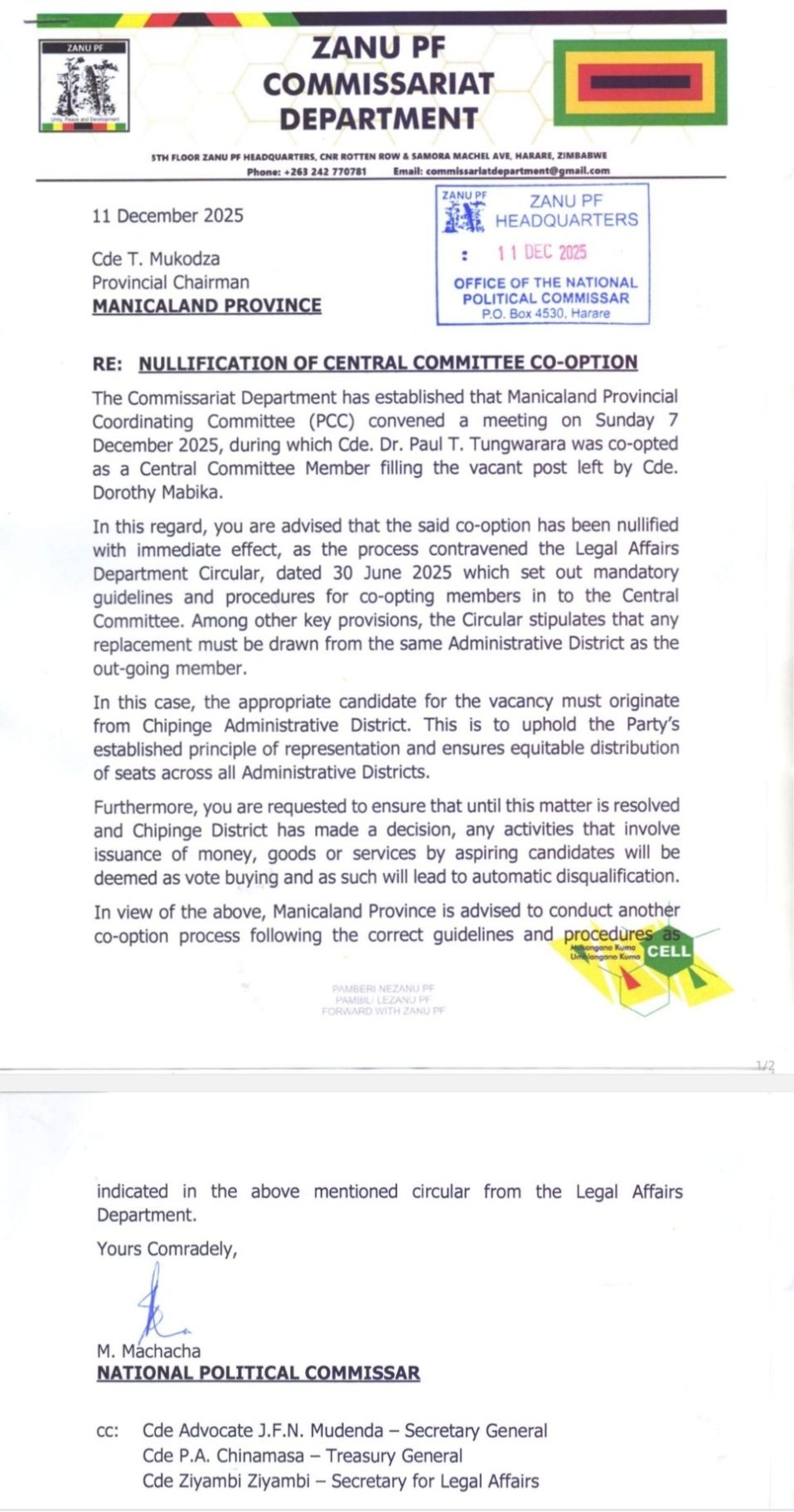
In a letter dated 11 December 2025, and signed by the ZANUPF National Political Commissar – Cde Munyaradzi Machacha, the Party formally nullified the co-option of Cde Dr. Paul Tungwarara into the Central Committee. The determination was made on the basis that the Manicaland Provincial Coordinating Committee (PCC) did not adhere to the Legal Affairs Circular of 30 June 2025. That circular explicitly requires that any replacement must originate from the same district as the outgoing member – in this case, Chipinge.
Consequently, Manicaland Province has been directed to recommence the co-option process in full compliance with established Party procedures. Additionally, all forms of vote-buying or undue influence have been expressly prohibited until a legitimate and procedurally correct candidate is identified.
It is essential to underscore that Cde Paul Tungwarara remains a highly esteemed member of ZANUPF. He has demonstrated exceptional leadership through the Party’s Empowerment Initiatives, executed under the guidance of President E.D. Mnangagwa, whom he also serves as Special Advisor. His standing and contributions within the Party remain unquestionable, irrespective of the technical procedural issue that led to the nullification.
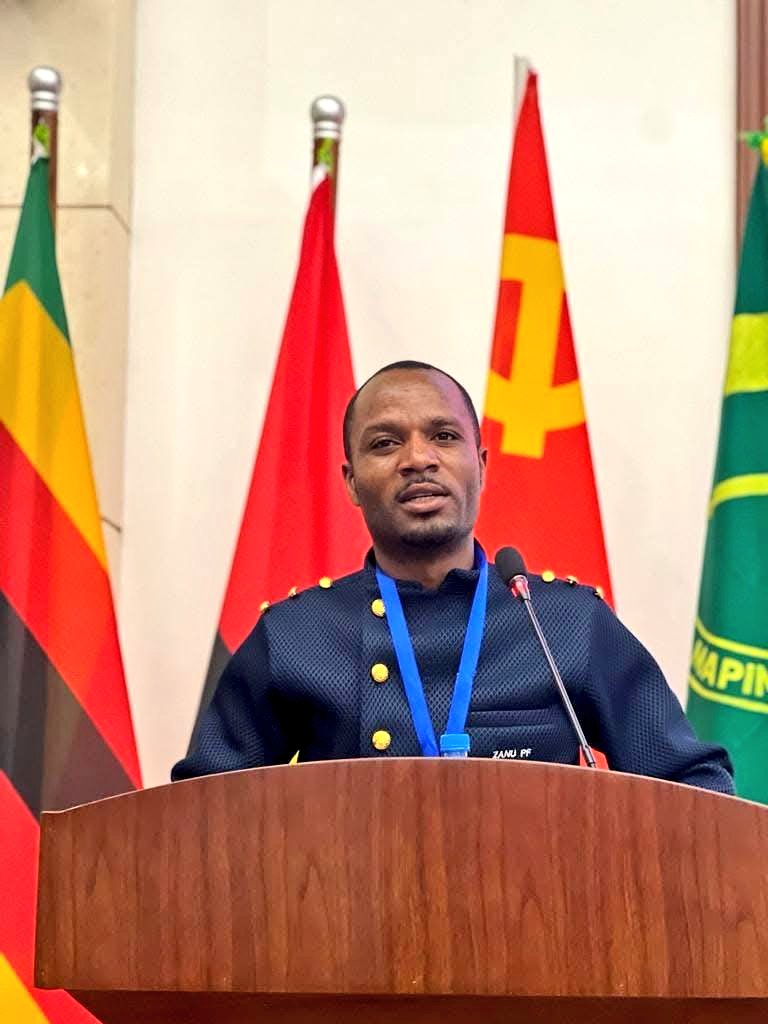
A spirited meet-the-candidate debate held at Nkulumane Hall on 10 December 2025 produced a strong and encouraging showing for ZANUPF’s Cde Freedom Murechu. With more than a thousand residents and supporters in attendance, the atmosphere reflected growing confidence in the ruling party’s leadership under President E.D. Mnangagwa and the Government’s ongoing development agenda. Audience reactions, including the enthusiastic post-event celebrations, signalled an electorate increasingly aligned with ZANUPF’s message of stability, continuity, and tangible progress. Other candidates included independent Rodney Jele, CCC’s Mothusi “Madlela” Ndlovu, and Esther Zitha, widow of the late Hon. Desire Moyo.
Cde Murechu distinguished himself through clarity, composure, and a strong command of policy issues. His intelligent and confident engagement with even the most difficult questions demonstrated leadership maturity and a deep understanding of community priorities. This intellectual steadiness mirrors the broader ethos of the Second Republic – disciplined, solutions-focused, and committed to delivering measurable improvements in people’s lives.
More …

About Me
Hi, I’m Dereck Goto. I use this space to think out loud about ideas, systems, power, and the quieter details that shape how we live and communicate. This blog isn’t about chasing trends or offering comfortable conclusions. It’s about asking better questions, challenging lazy narratives, and exploring issues with honesty and intellectual independence. Some posts are analytical, some reflective, and some deliberately provocative - but all are written with intention.