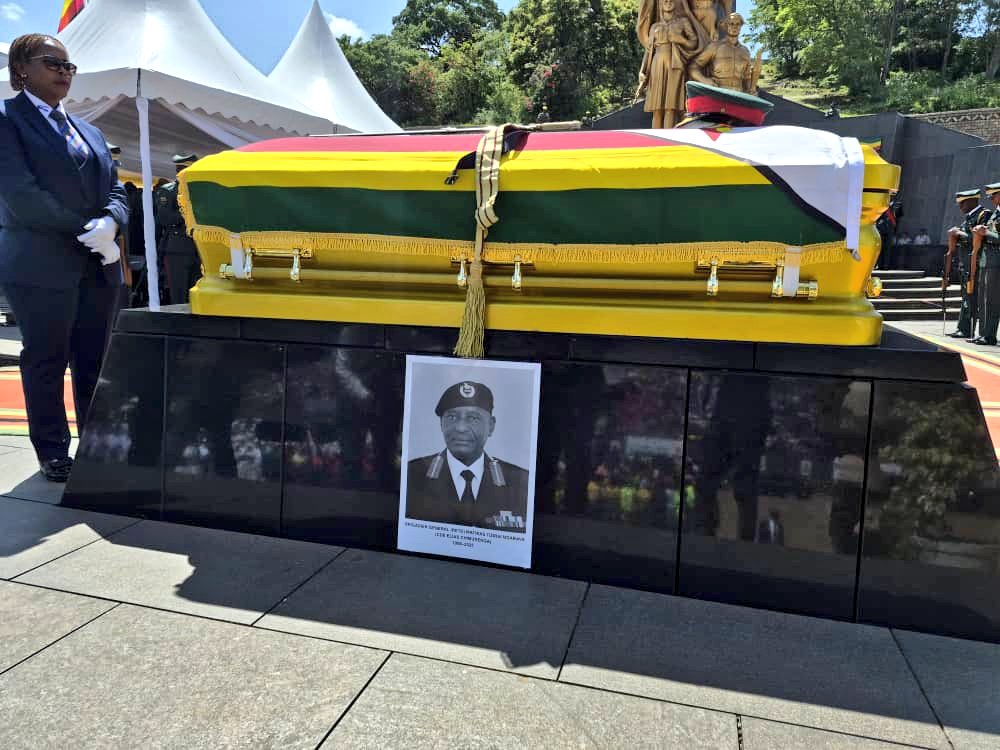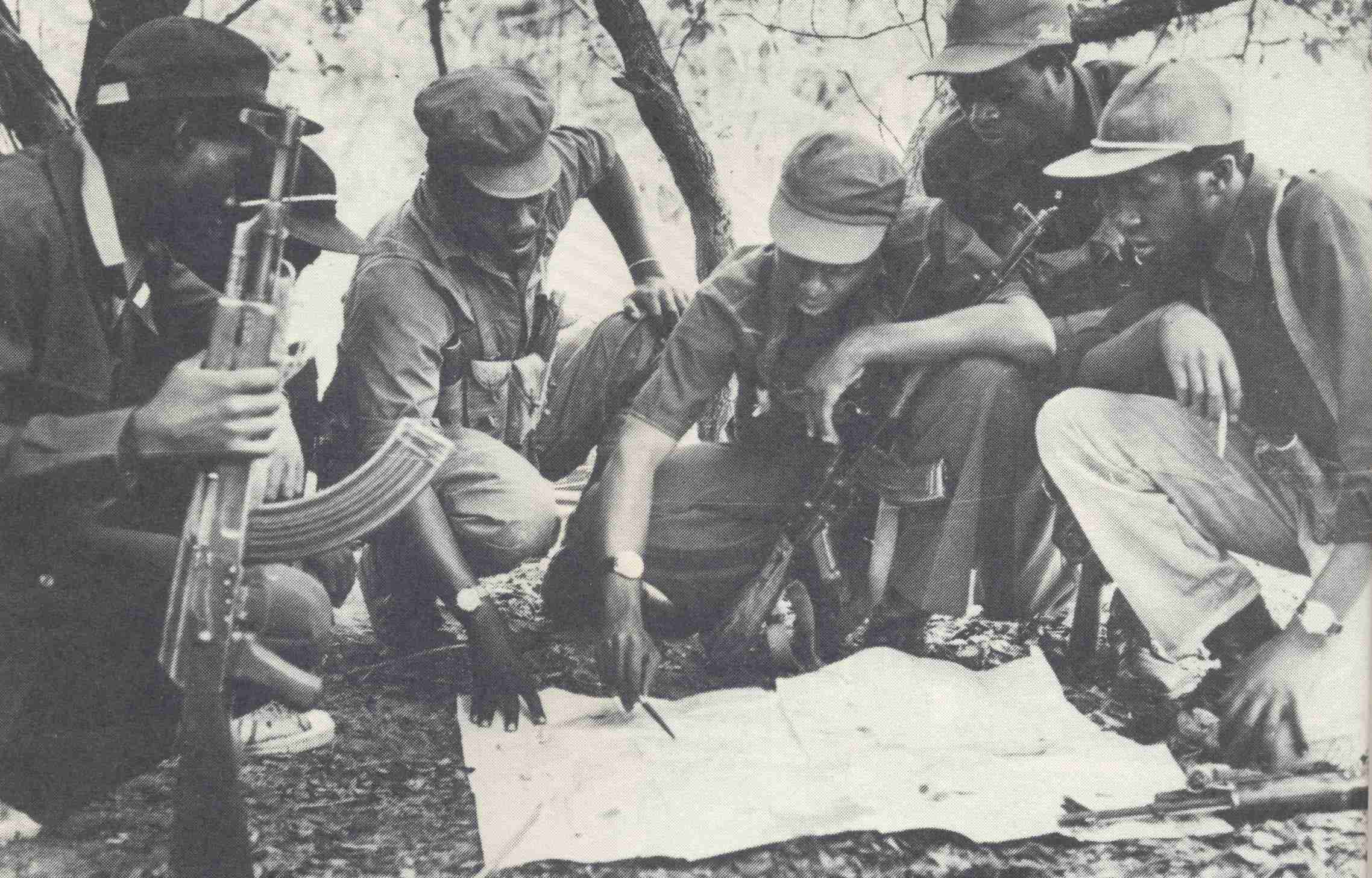
I have been closely following a compelling oral-history series on Zimbabwe’s War of Liberation (the Second Chimurenga), hosted by Robert Tapfumaneyi on ZimNews Beat TV’s YouTube channel ( https://youtube.com/playlist?list=PLBQumZCiCU8r2TUrcCvY3jBuw8xuMnYJY ). What initially appears to be a collection of veteran testimonies gradually unfolds into something far more unsettling and intellectually demanding: a mirror held up not only to the liberation struggle itself, but to how the nation has chosen to remember, narrate, and politically curate that struggle.
A striking and recurring theme in these interviews is the sharp distinction veterans draw between the nationalists – the political leadership – and the fighters – the men and women who carried the war on their backs, in forests, camps, and battlefields. Interview after interview reveals a persistent sense of dislocation: a gulf between what was imagined, promised, or morally implied by the liberation struggle and the lived realities many war veterans inhabit today. Hardly an episode goes by without an interviewee breaking down in tears on camera. This raises a difficult but unavoidable question: when a liberation war ends, whose victory is it meant to be? And how long can a revolutionary promise survive if those who bore its greatest cost feel estranged from its outcomes? More …