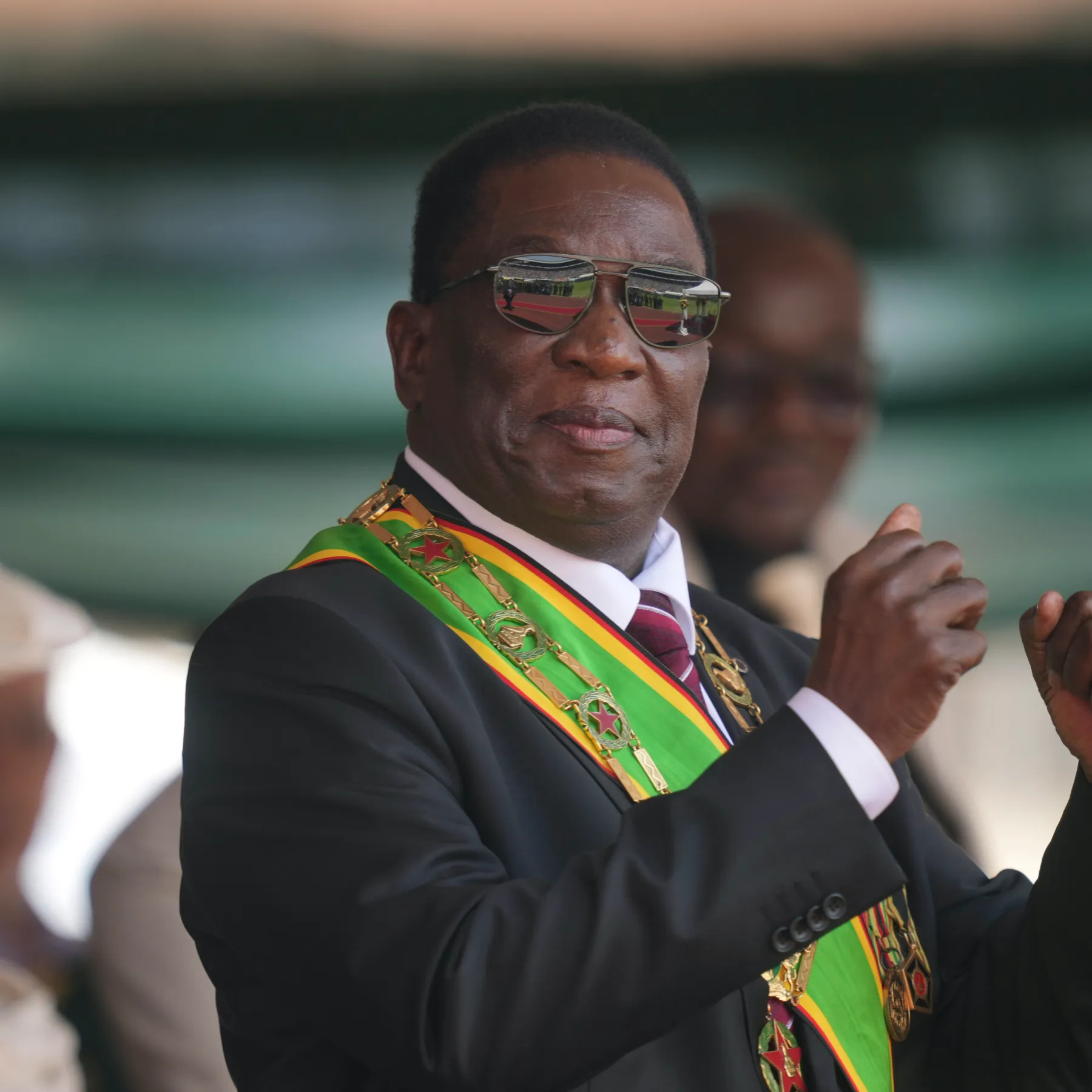
At the close of 2025, Zimbabweans find themselves at a vantage point that demands a moment of quiet, honest reflection. To truly understand the state of the nation, one must ignore the transient noise of social media and instead look at the receipts – the tangible, measurable evidence of a country in transition. These are not the kind of receipts that fade; they are the kind you can drive on, harvest from, and calculate in the hard language of macroeconomics. This is the year-end audit of a nation that, despite immense external pressure, has chosen the revolutionary act of building over the convenient act of complaining. The story of 2025 is a narrative that holds even when you remove party colors and demand evidence, because the strongest defense of the Second Republic is found in independent corroboration. More …
Dec 24, 2025