Aligning China’s 15th Five-Year Plan with Zimbabwe’s NDS2

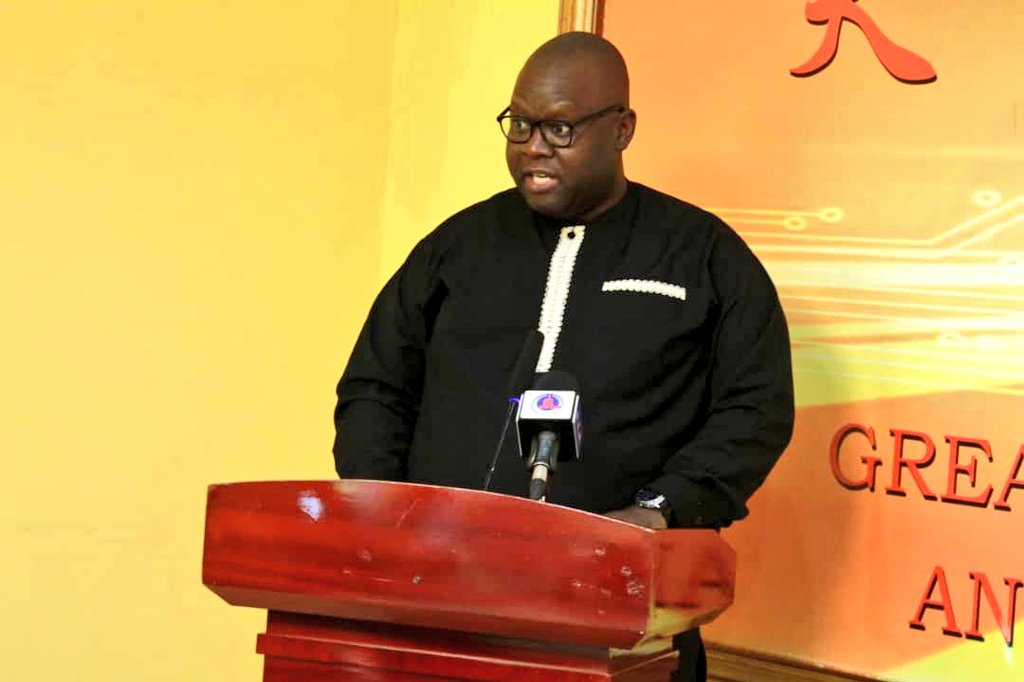
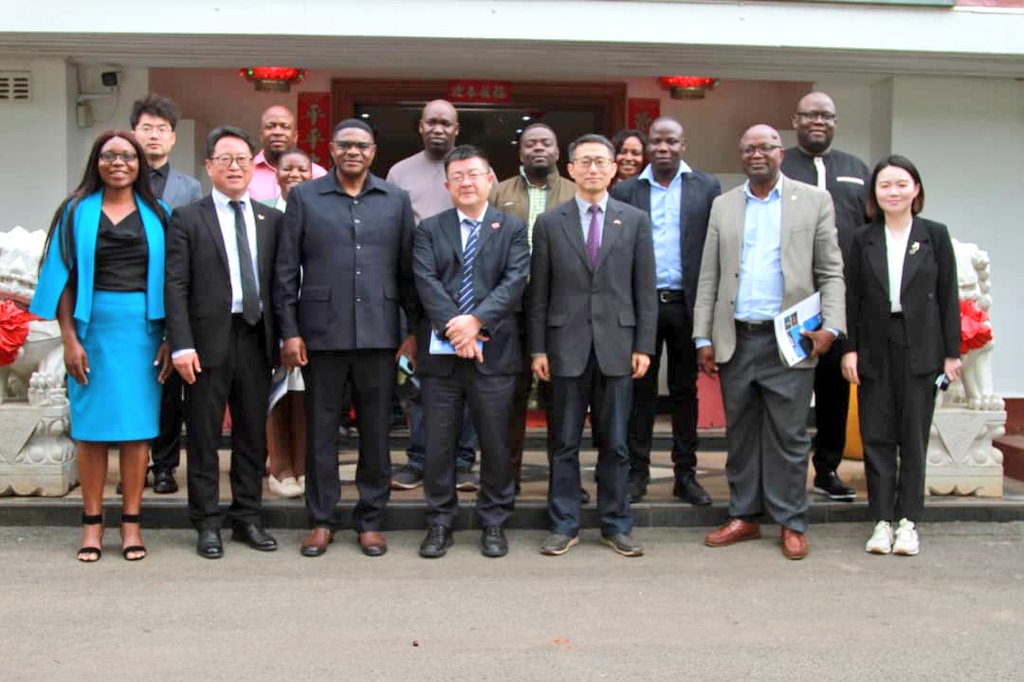
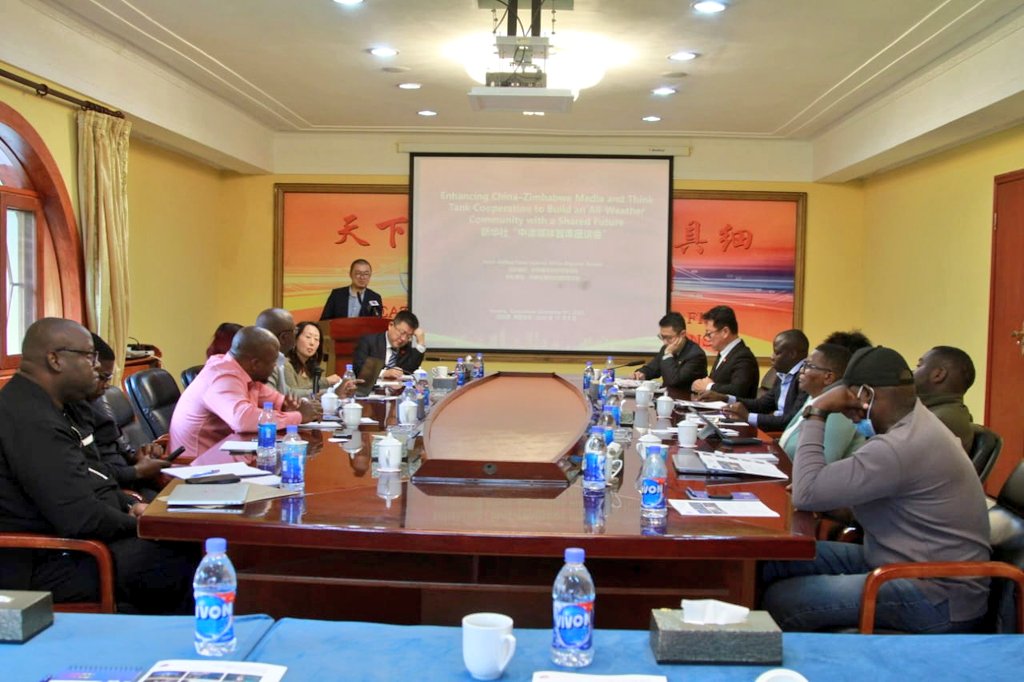
Today I had the honour of delivering a presentation at the Golden Peacock Hotel on “Viewing China’s 15th Five-Year Plan Proposals from a Zimbabwean Perspective.” It was an energising discussion, and I was grateful to Xinhua News Agency for convening such a timely dialogue.

I reflected on how China’s upcoming 15th Five-Year Plan (2026-2030) aligns almost perfectly with Zimbabwe’s NDS2, which runs over the same years. This overlap creates a rare moment where both nations – guided by President Xi Jinping and President Emmerson Mnangagwa – are pursuing major reforms at the same time, opening space for deeper cooperation in technology, industry, energy, and governance. More …
Afreximbank Applauds Progress on Harare African Trade Centre

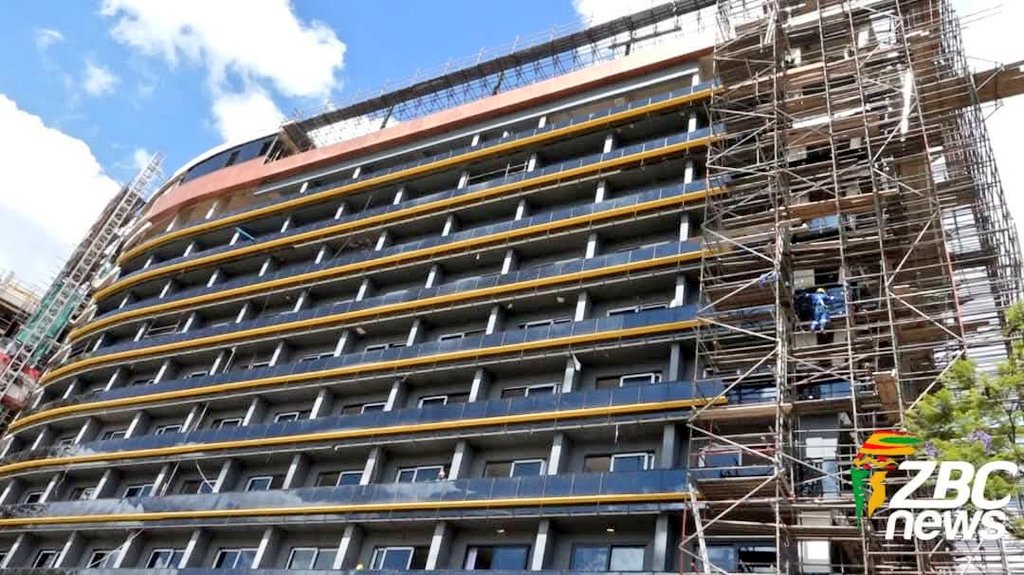
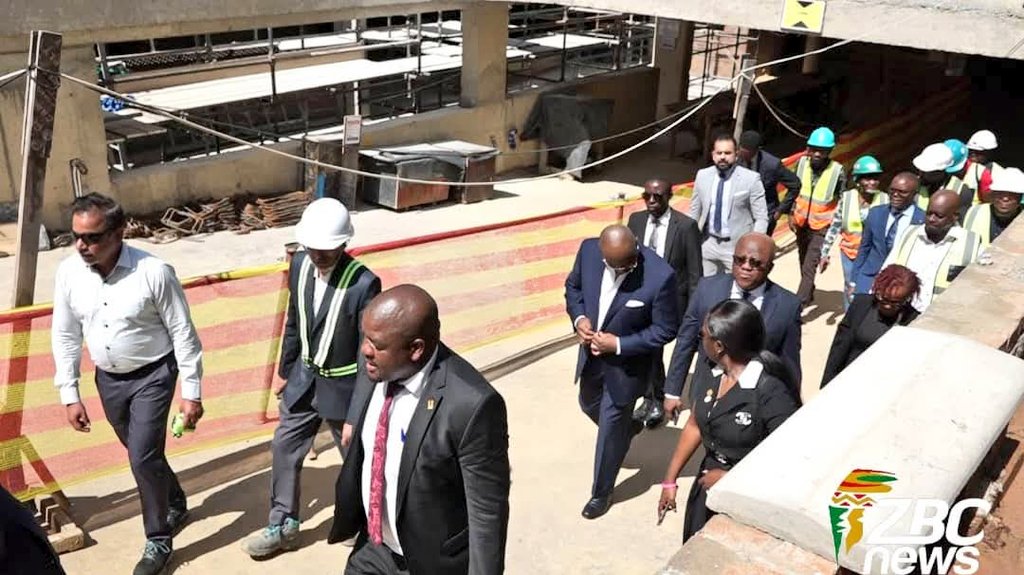
A high-level delegation from the African Export-Import Bank has applauded the remarkable progress on the new African Trade Centre rising in central Harare, a flagship project expected to open its doors early next year.

The complex, strategically positioned along Herbert Chitepo Avenue and Seventh Street, is being built through an investment of more than US$80 million wholly provided by Afreximbank. The development stands as a powerful endorsement of Zimbabwe’s economic direction and the confidence international partners continue to place in the country under President E.D. Mnangagwa’s leadership. More …

More Than a Road – The Economic Power of Infrastructure

Did You Know?

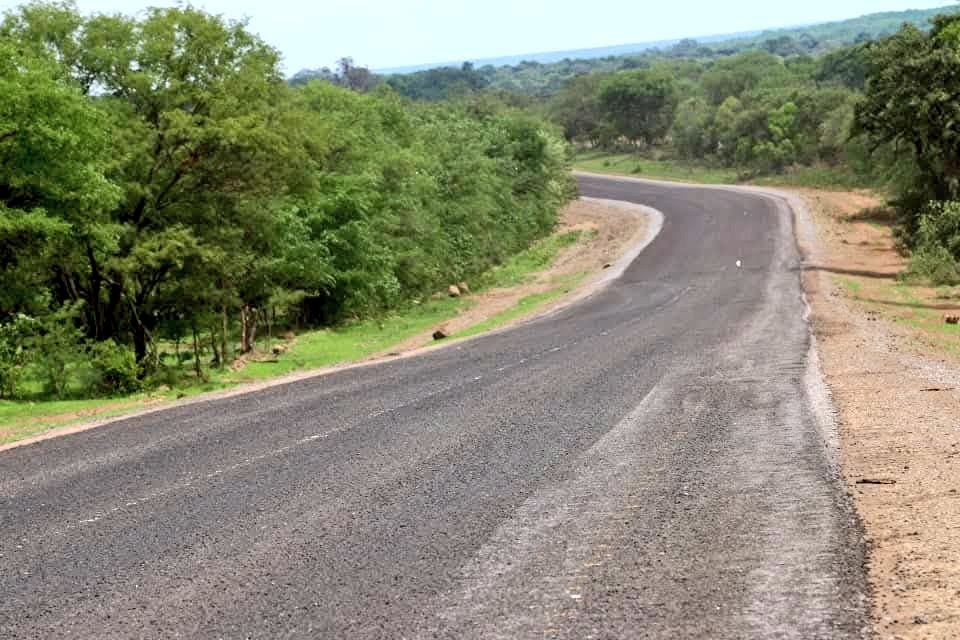
The rehabilitation of the Bulawayo-Victoria Falls Road is doing far more than upgrading a highway. It is reshaping local economies and strengthening communities. More than 800 people are now employed on the project, with over 80 percent drawn directly from the surrounding areas – meaning families are earning, local shops are thriving, and whole communities are being economically stimulated.

But the real story is bigger.

Across the world, nations that take infrastructure seriously unlock prosperity far beyond the construction site. China’s leadership, for example, transformed its economy through massive investments in highways and high-speed rail, creating supply-chain efficiency, stimulating tourism, and opening up rural areas to national markets. The United States did the same in the 1950s with the Interstate Highway System – a bold national investment that later became the backbone of America’s industrial dominance. More …

NDS2 – From Aspiration to Measurable Transformation.

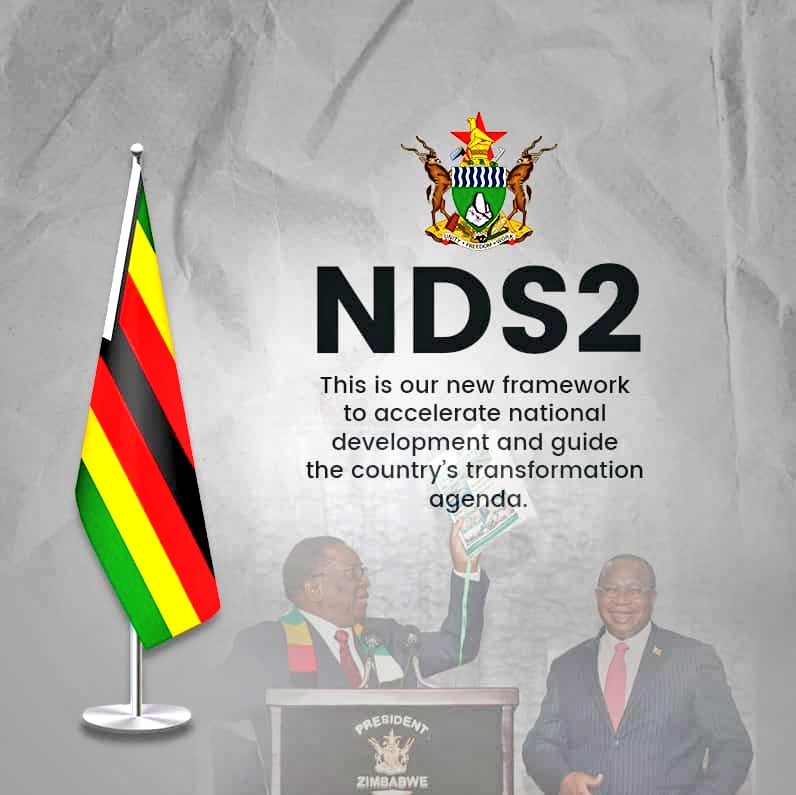
NDS2 signals a decisive shift from broad aspiration to targeted, results-driven national transformation. It tightens the focus on productivity, infrastructure renewal, and macroeconomic stability while deepening the “leave no one and no place behind” ethos that has defined the Second Republic’s development philosophy. What makes NDS2 significant is its insistence on measurable outcomes – stronger value chains, accelerated industrialisation, modernised public services, and expanded social protection – all anchored in a disciplined implementation framework. If executed with the same momentum seen in recent national projects, NDS2 has the potential to consolidate economic recovery and position Zimbabwe firmly on the path toward Vision 2030.

Fueling Progress: President Mnangagwa Secures UAE Energy Partnership

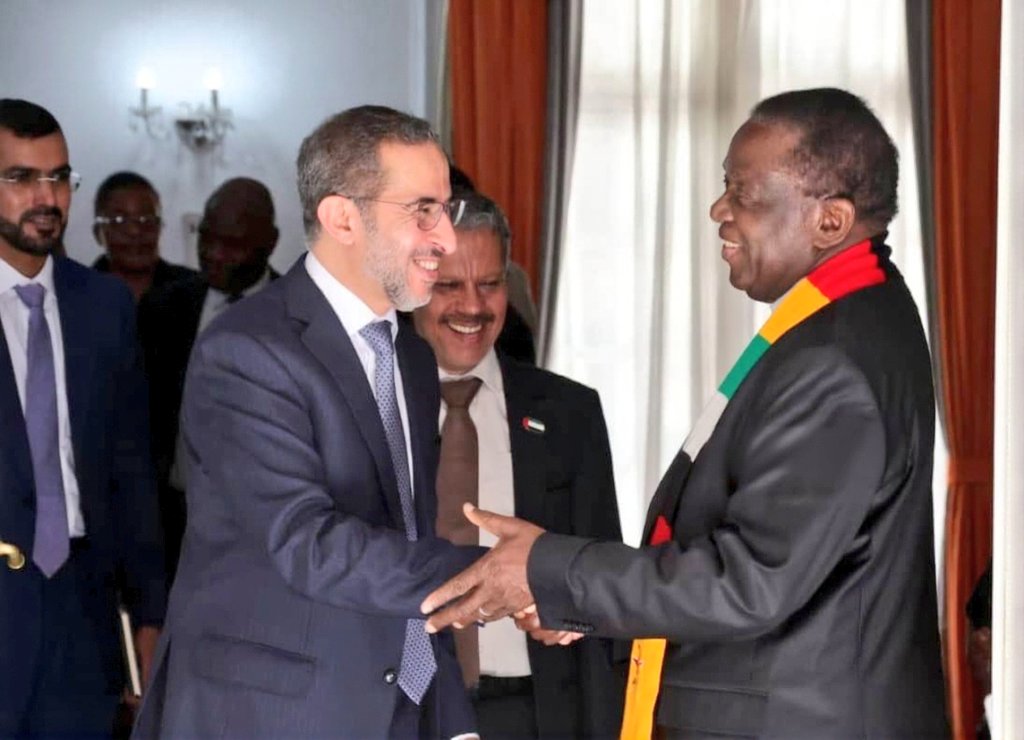
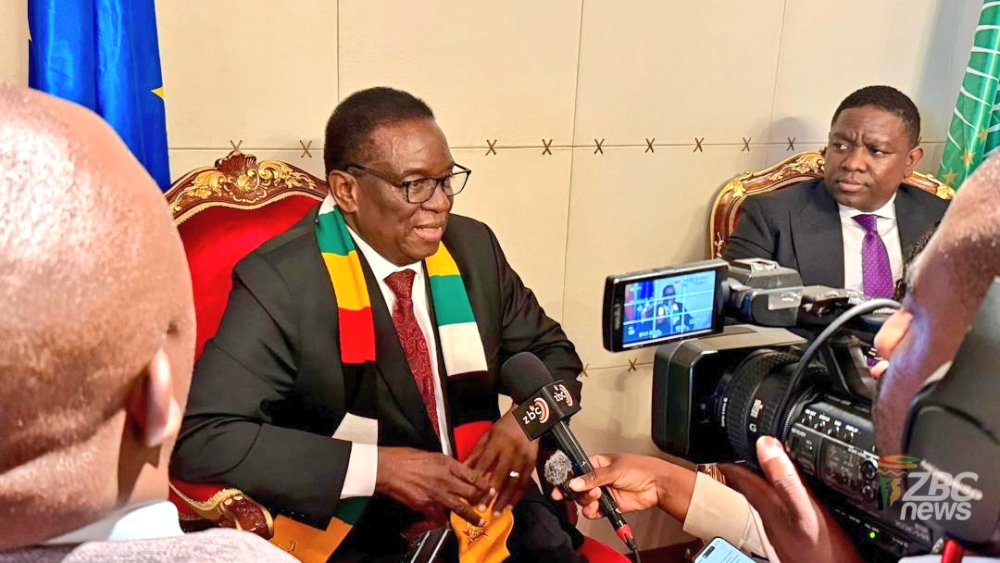
His Excellency President E.D Mnangagwa today met the Chief Executive of the Abu Dhabi National Oil Company, Mr Ahmed Bin Thalith, at State House, in yet another sign of the growing economic partnership between Zimbabwe and the United Arab Emirates. Mr Bin Thalith reaffirmed ADNOC’s interest in expanding its role in Zimbabwe’s fuel supply chain, emphasising the company’s readiness to help stabilise the market and support competitive pricing for retail consumers. He also conveyed appreciation for the strong diplomatic ties between Harare and Abu Dhabi, noting that this political goodwill has created a solid foundation for long-term cooperation.

The meeting reflects Zimbabwe’s broader strategy of deepening engagement with Gulf nations that have become important players in energy, mining, and logistics across the region. For Abu Dhabi, Zimbabwe offers a strategic gateway into Southern Africa, while for Harare, the partnership promises enhanced energy security and access to more competitive global supply networks.

Government Moves Swiftly to Stabilise Cement Supply as Economy Booms

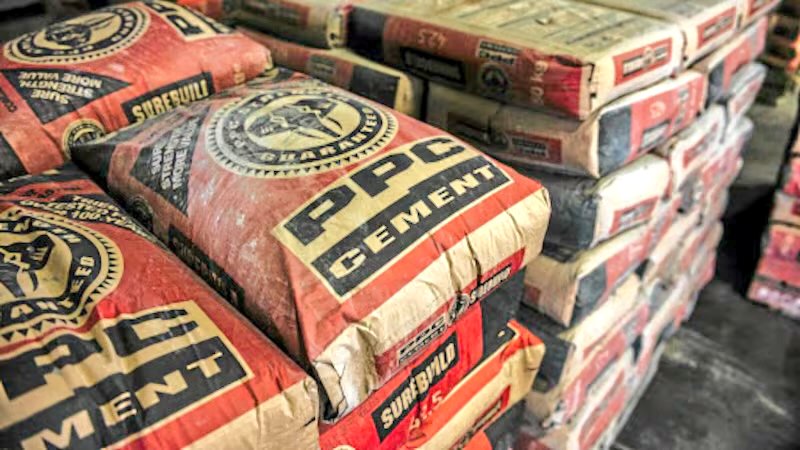
The Ministry of Industry and Commerce has moved decisively to address the temporary cement shortages, outlining a clear and confident strategy that reflects the Second Republic’s commitment to maintaining economic stability while safeguarding consumers. The Ministry explains that the current pressures stem from a convergence of regional and domestic factors, including a widespread clinker shortage, scheduled maintenance at Sino Zimbabwe, and unexpected breakdowns at PPC and Lafarge. These challenges emerged at a time when Zimbabwe’s construction sector is expanding at an unprecedented pace, with national cement demand now almost three times higher than in 2017 – a direct reflection of the infrastructure boom driven by President Mnangagwa’s development agenda. Rather than signalling a structural problem, the temporary shortage underscores the scale of economic activity and the speed at which the country is developing.
More …

The Resource Revolution: President Mnangagwa’s Decisive Stance on African Agency

President E.D Mnangagwa has delivered a decisive and unambiguous message that marks a turning point in Africa’s approach to its natural endowments. His remarks signal not just a national stance but a continent-wide awakening: Africa will no longer permit its mineral treasures to be spirited away without producing real, measurable benefits for its own people.

In framing this new posture, President E.D Mnangagwa aligns himself with the emerging intellectual and political consensus across Africa – a recognition that the historic model of extraction, where foreign interests carted away raw materials for a fraction of their true value, was a structural trap that stunted development and entrenched dependency. That era, he asserts, is firmly behind us. More …

The People’s President: H.E. Mnangagwa Targets Grassroots Upliftment with Multi-Million Dollar Investment

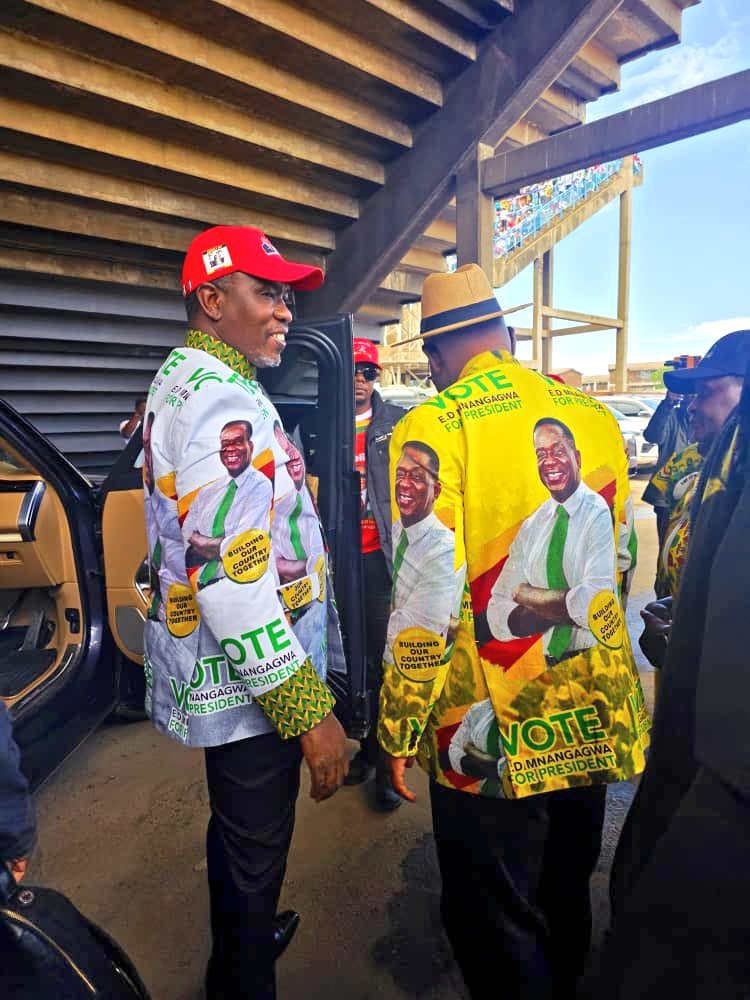
Under the direction of H.E. President E.D. Mnangagwa, Harare’s DCC 6 structures have been earmarked for an unprecedented package of empowerment and community upliftment initiatives, reflecting the Second Republic’s commitment to tangible development. Cde Kudakwashe Tagwirei served as the emissary delivering the President’s commitments to the district.

To strengthen party organs and grassroots structures, US$450,000 has been allocated by the President, with the Main Wing, Women’s League, Youth League and War Veterans each receiving US$112,500. In keeping with the President’s philosophy of inclusive development, persons with disabilities in DCC 6 will receive US$50,000 in targeted support. More …

Affordable and Clean: New Electric Buses to Ply University of Zimbabwe Route

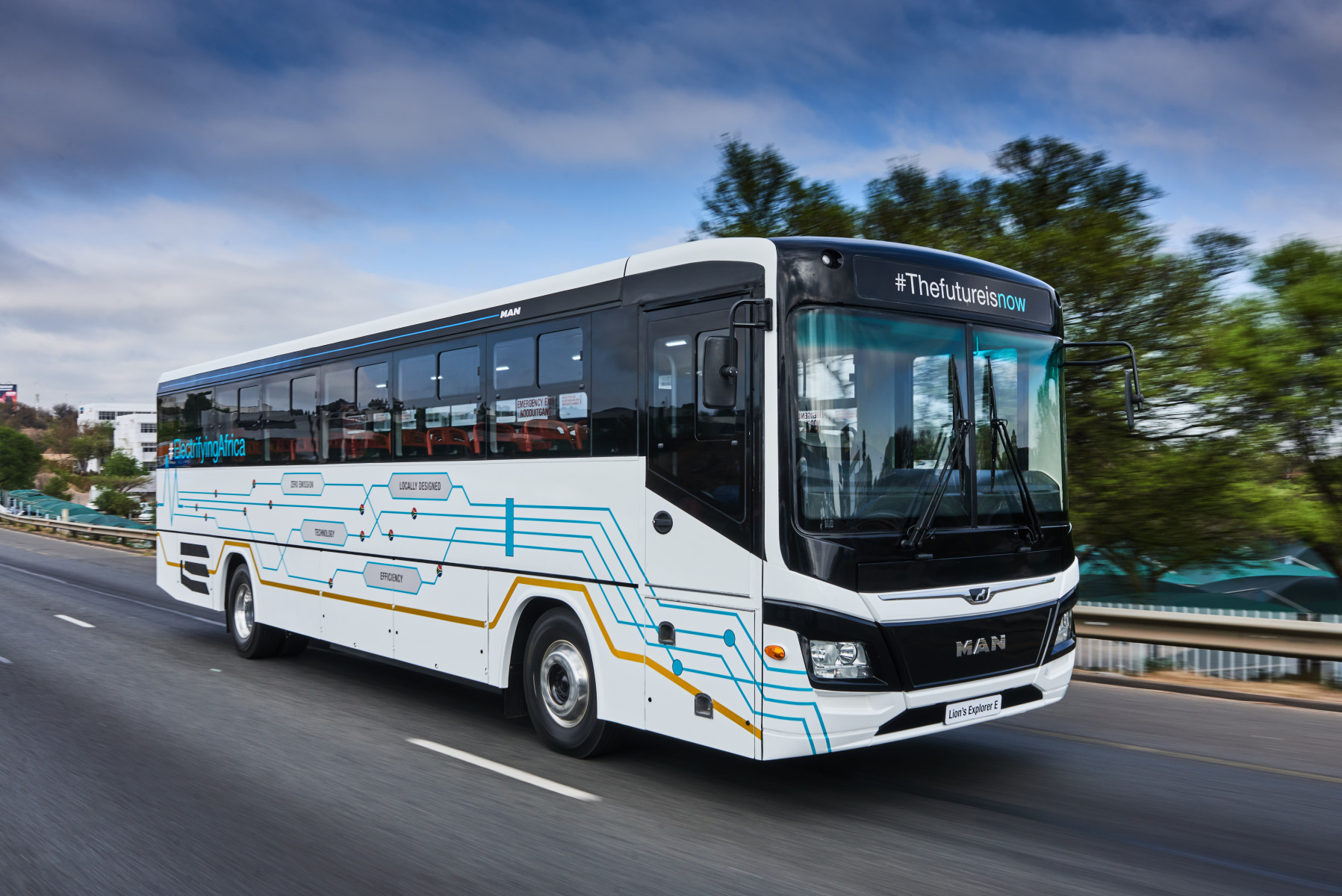
The President Mnangagwa-led Government, through CMED, has procured 16 new electric buses that will soon be deployed into the urban transport system. A pilot route between the University of Zimbabwe and the Harare City Centre is set to launch next month.

This investment reflects the Second Republic’s drive to modernise public services and improve everyday mobility. By adopting clean and affordable transport solutions, Government is reinforcing its commitment to a responsive, people-focused economy.

A strong mass public transport network is vital to achieving Vision 2030. Electric buses will help ease congestion, reduce travel times and promote safer, more reliable movement across urban areas, while advancing environmentally sustainable transport. More …

ZANUPF Reaffirms Reserved Sector Reforms to Strengthen Local Ownership and Boost National Prosperity

ZANUPF Harare Province Inter-District meetings have reaffirmed the ruling party’s commitment to restoring Zimbabwean control of the reserved sector and expanding economic opportunities for citizens. The resolutions, warmly received by grassroots supporters, signal a renewed push to ensure locals lead industries long dominated by foreign players. Foreign investors should not be alarmed, as the policy is designed to strengthen local participation while preserving a predictable and investor-friendly environment.

Cabinet has already approved a Reserved Sector Implementation Framework (3 June 2025), designating 15 sectors exclusively for Zimbabweans, including artisanal mining, bakeries, grain milling, logistics, estate agencies, hair and beauty services, passenger transport, and quarry mining. The reforms aim to correct long-standing imbalances while creating jobs, strengthening local enterprise, and retaining value within the economy. More …