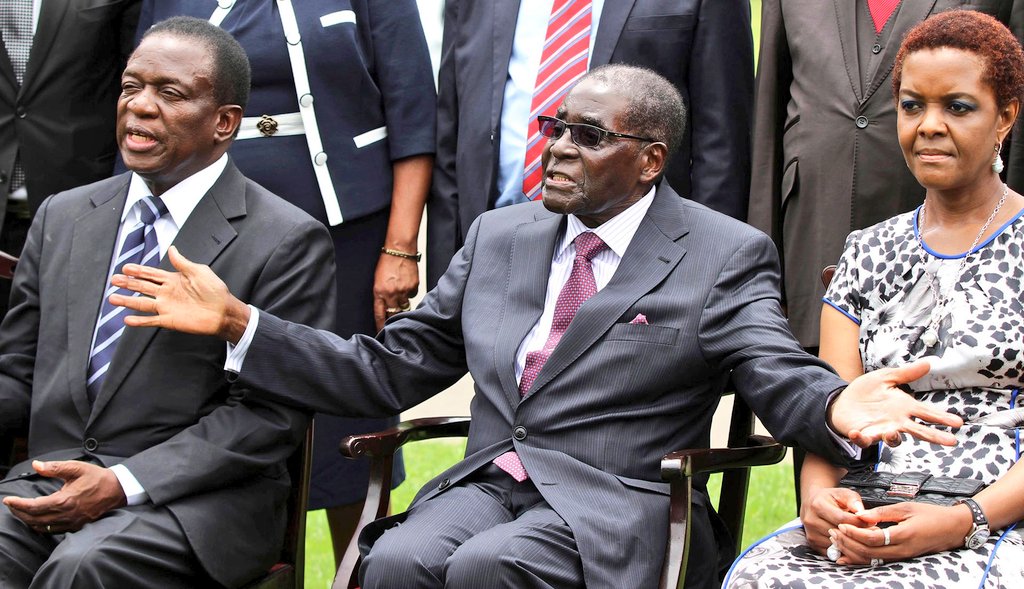
History tends to remember leaders less for the battles they wage than for how they choose to end them. In Zimbabwe’s case, the final chapter between President Robert Gabriel Mugabe and President Emmerson Dambudzo Mnangagwa reveals more about leadership than the turbulence that preceded it.
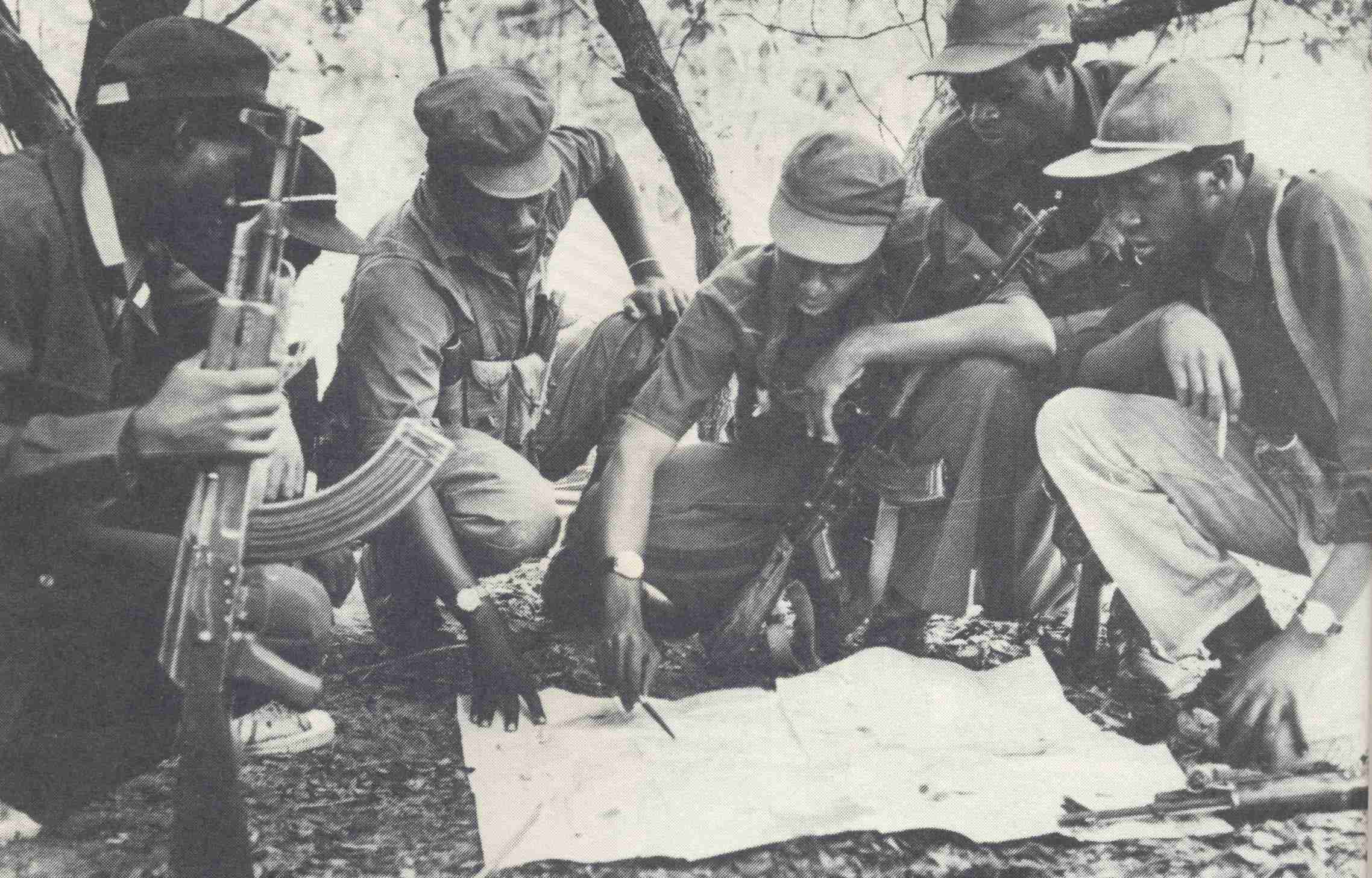
For decades, the country’s political life was shaped by a partnership forged in the liberation struggle and sustained through the long years of state-building. When that relationship ruptured in November 2017, the break appeared absolute. The hostility was raw, amplified by palace intrigues and the corrosive role of third parties – particularly the G40 faction – who thrived by isolating an ageing leader from his most stabilising alliances. At the time, it looked like a familiar tragedy of succession: mentor and protégé permanently sundered. More …