Zimbabwe, Belarus Move to Deepen Defence and Technical Ties

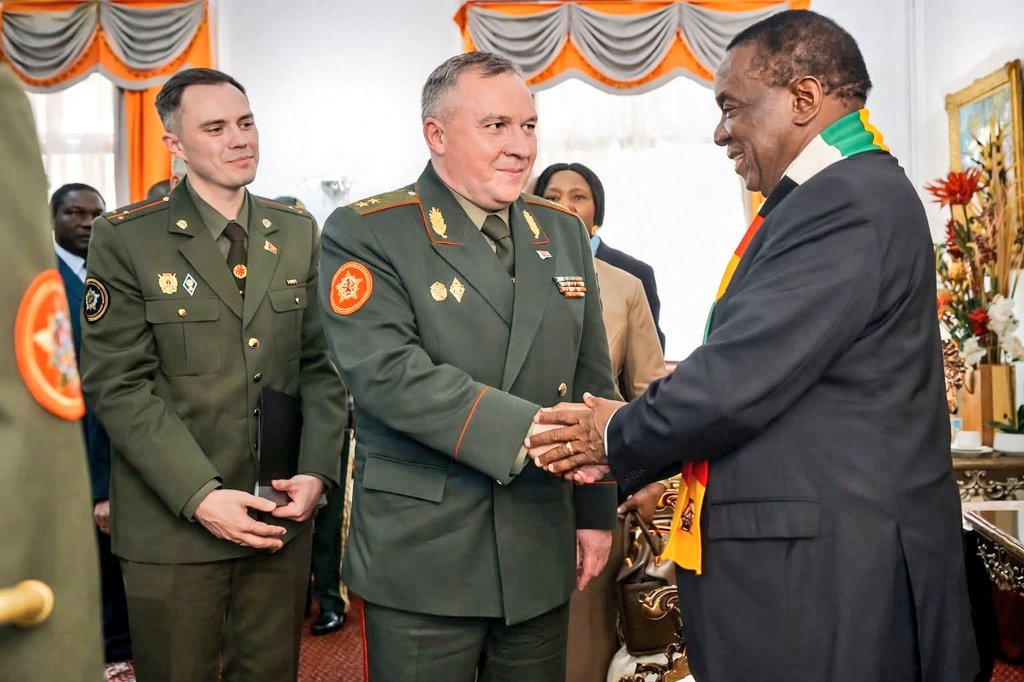
President Emmerson Dambudzo Mnangagwa on Tuesday welcomed a senior military delegation from the Republic of Belarus to State House in Harare. The delegation was headed by Belarus’s Minister of Defence, Lieutenant General Victor Khrenin, and included high-ranking military officials.

Following the engagement, President Mnangagwa said the discussions centred on enhancing bilateral cooperation in defence and technical fields, while also exploring opportunities to broaden collaboration in agriculture and industrial development. He noted that the talks underscored Zimbabwe’s continued pursuit of strong, mutually advantageous partnerships with Belarus.

Relations between Zimbabwe and Belarus have strengthened in recent years, with growing collaboration in areas such as agricultural mechanisation and industrial development, as Zimbabwe works to diversify and expand its global diplomatic and economic engagements.

ZANUPF: Wealth Isn’t a Shortcut to Leadership

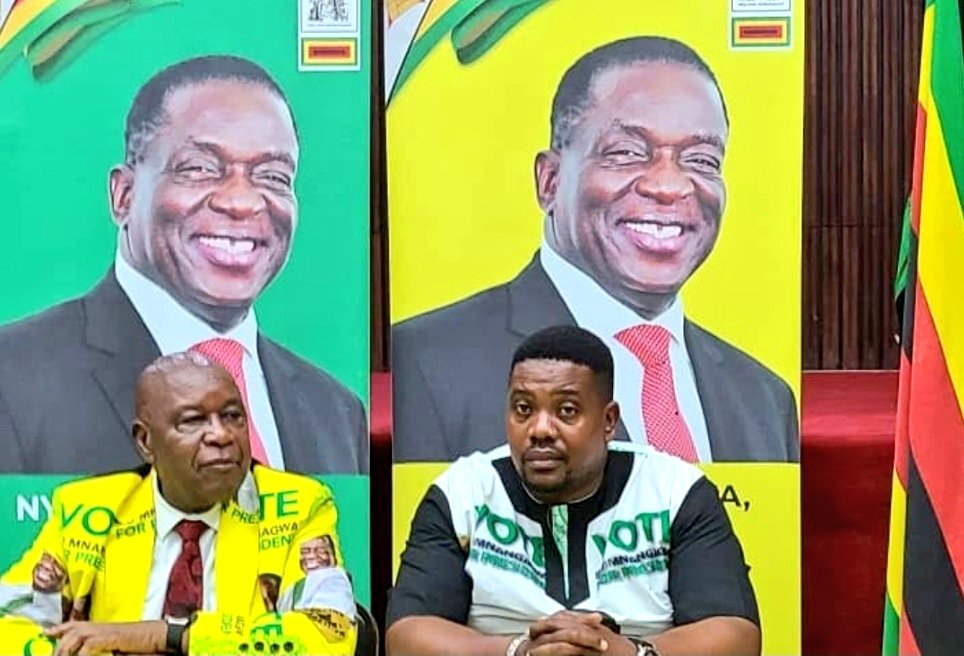
ZANUPF has cautioned against equating wealth, religious influence, or any other form of personal power with qualification for top leadership positions within the party.

Speaking to the media at the party’s headquarters in Harare yesterday, spokesperson Ambassador Christopher Mutsvangwa emphasised that advancement in the liberation movement is grounded in political maturity, ideological commitment, personal sacrifice, and a proven record of serving the people, rather than financial standing.

ZiFM’s “Zimbabwean of the Year” – By What Standard?

It is difficult to comprehend how a national broadcaster of ZiFM’s stature, on a programme hosted by the equally high-profile MisRed, could designate Fadzayi Mahere as Zimbabwean of the Year. In 2025, her public profile has been defined less by constructive national contribution and more by a sustained pattern of antagonism towards, and disparagement of, the country’s leadership.

This raises serious questions about the standards applied in reaching such a determination. What objective criteria were employed? On what empirical basis was the selection made? And to whom, exactly, does this outcome purport to speak? It is far from clear that the decision reflects the views, priorities, or lived realities of Zimbabwe as a whole.

Stop Blaming “the Chinese” – Enforce the Law

Zimbabweans have every right to be angry about silted rivers, destroyed wetlands, deforestation, noise pollution and contaminated water. But blaming “the Chinese” as a default response is intellectual laziness. Nationality is not the problem. Weak enforcement, corruption and our own willingness to tolerate wrongdoing are the problem.

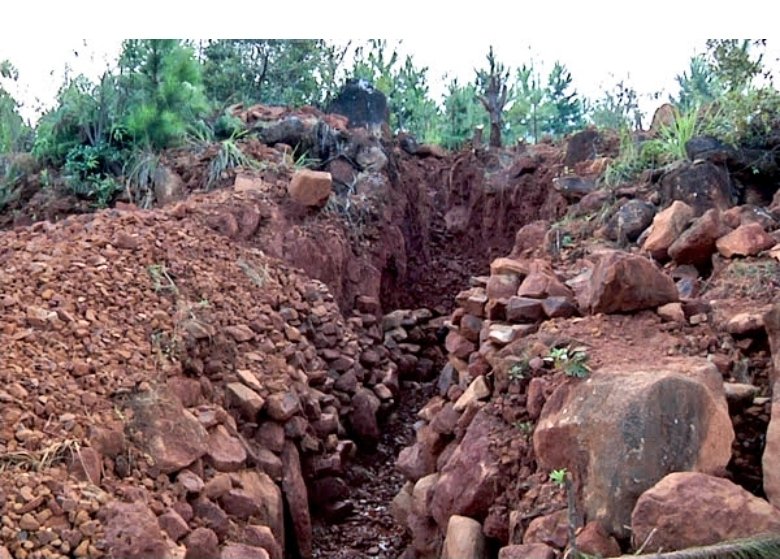
Let’s tell the truth: we damage our own environment too. Sand poaching, illegal brick-making, riverbank cultivation and reckless artisanal mining – including practices that pollute water systems – are not foreign imports. They are local choices. The river doesn’t care who did it. Communities suffer either way. More …

Trading on Parole – ZIMRA’s 30-Day Leash on the Economy

ZIMRA’s proposal to introduce a monthly renewable Tax Clearance Certificate (ITF 263) from January 2026 is being sold as modern, dynamic compliance. In reality, it is regulatory overreach that confuses bureaucratic control with sound fiscal policy and risks choking the very economy it seeks to tax.

From an economic perspective, the flaw is clear. Development economics warns of the compliance cost hypothesis: when the cost of obeying the law rises too high, rational actors exit the formal system. Shifting clearance from an annual or quarterly cycle to a monthly one is not a marginal tweak; it hyper-inflates compliance costs. Large corporates absorb this through compliance teams. Micro and small enterprises, which dominate Zimbabwe’s economy, cannot. Time spent navigating TaRMS, reconciling filings, and chasing monthly clearances is time stolen from production and trade – a deadweight loss to GDP.
More …