Diplomatic Maturity: South Africa’s Steady Hand at the G20 Helm

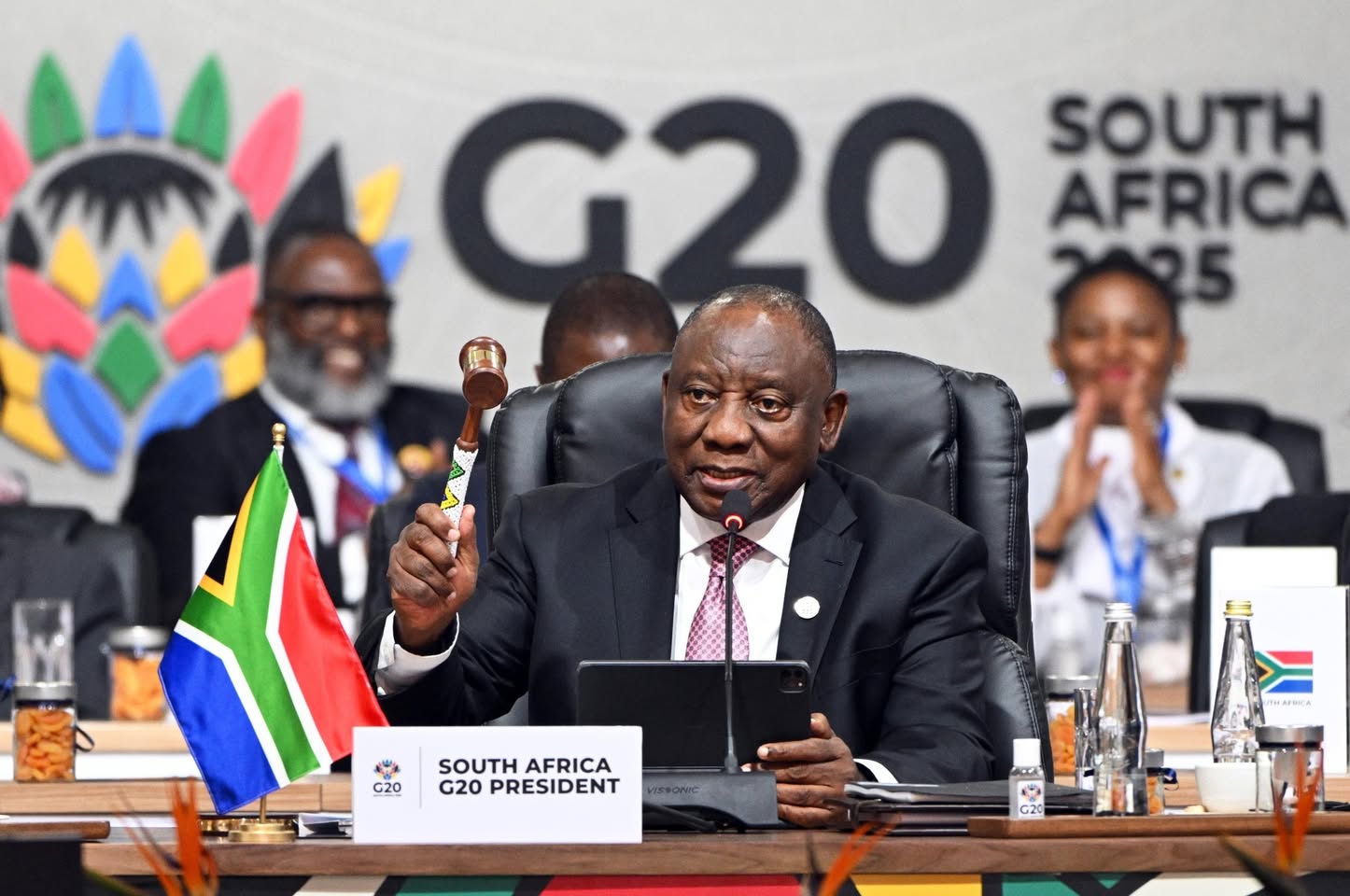
President Cyril Ramaphosa’s closing remarks – “This G20 summit is formally closed… we shall see each other again next year” – were more than procedural. They marked a quiet but unmistakable assertion of diplomatic maturity by South Africa.

Well done to South Africa, and to President Ramaphosa in particular, for firmly resisting Donald Trump’s characteristic bullying tactics. Trump’s behaviour at multilateral forums often reflects a unilateralist worldview: he prefers coercive leverage to consensus, transactional deals to collective responsibility, and personal dominance to institutional diplomacy. At this G20, he attempted once again to bend the multilateral process toward his own political narrative.
More …
Diplomacy Over Estrangement: The Chiwenga-Starmer Engagement

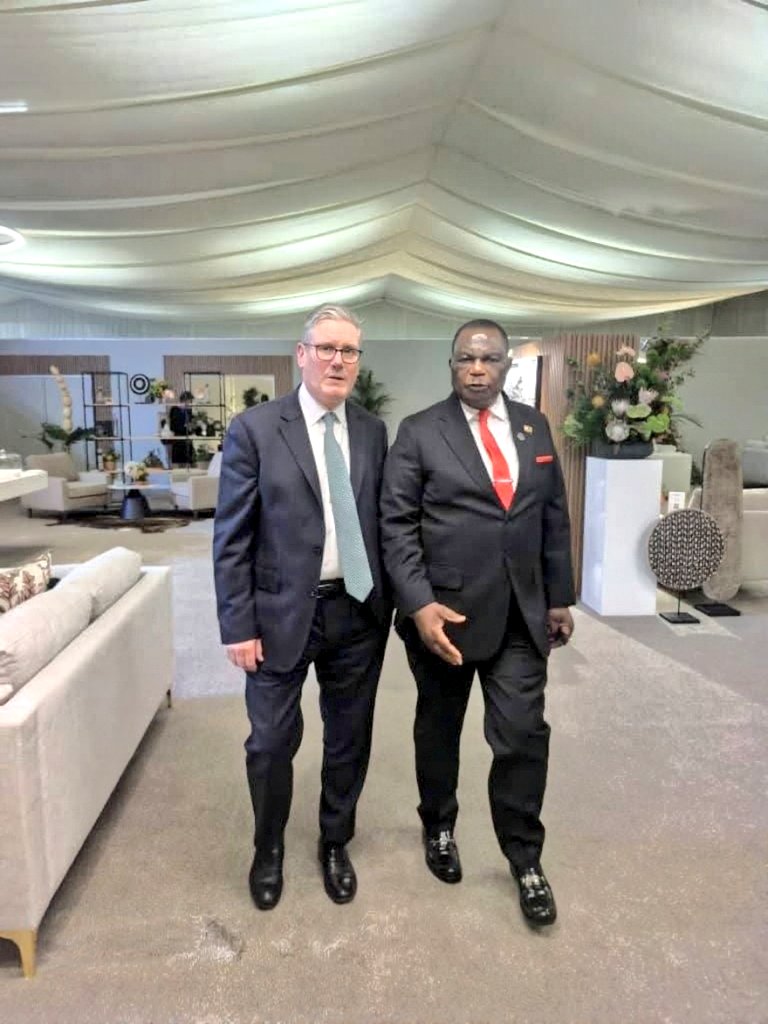
Vice President Dr. Constantino Chiwenga held an engagement with British Prime Minister Keir Starmer on the sidelines of the G20 Leaders’ Summit in Johannesburg, South Africa.

The encounter carries significance well beyond protocol. Zimbabwe and the United Kingdom share a complex and painful history shaped by colonisation, the liberation struggle, and the profound rupture that followed the Fast-Track Land Reform Programme. For two decades, relations were defined by mistrust, sanctions, and diplomatic frostiness – a period in which Zimbabwe continued to assert its sovereignty while enduring political and economic pressure from London.
More …

Zimbabwe on the World Stage: VP Chiwenga’s G20 Diplomacy

Vice President Rtd General C.G.D.N. Chiwenga’s statement to the G20 reflects one of the most disciplined and forward-looking expressions of Zimbabwe’s development vision under President E.D Mnangagwa and the Second Republic. From a development economics standpoint, he articulates a modern strategy anchored in value-addition, human-capital development, governance reforms, and climate resilience, all aligned with Zimbabwe’s Vision 2030 and the African Union’s Agenda 2063. This positioning shows that Zimbabwe is not merely adapting to global trends but actively shaping its own ascent through industrialisation, digital transformation, and inclusive growth. More …

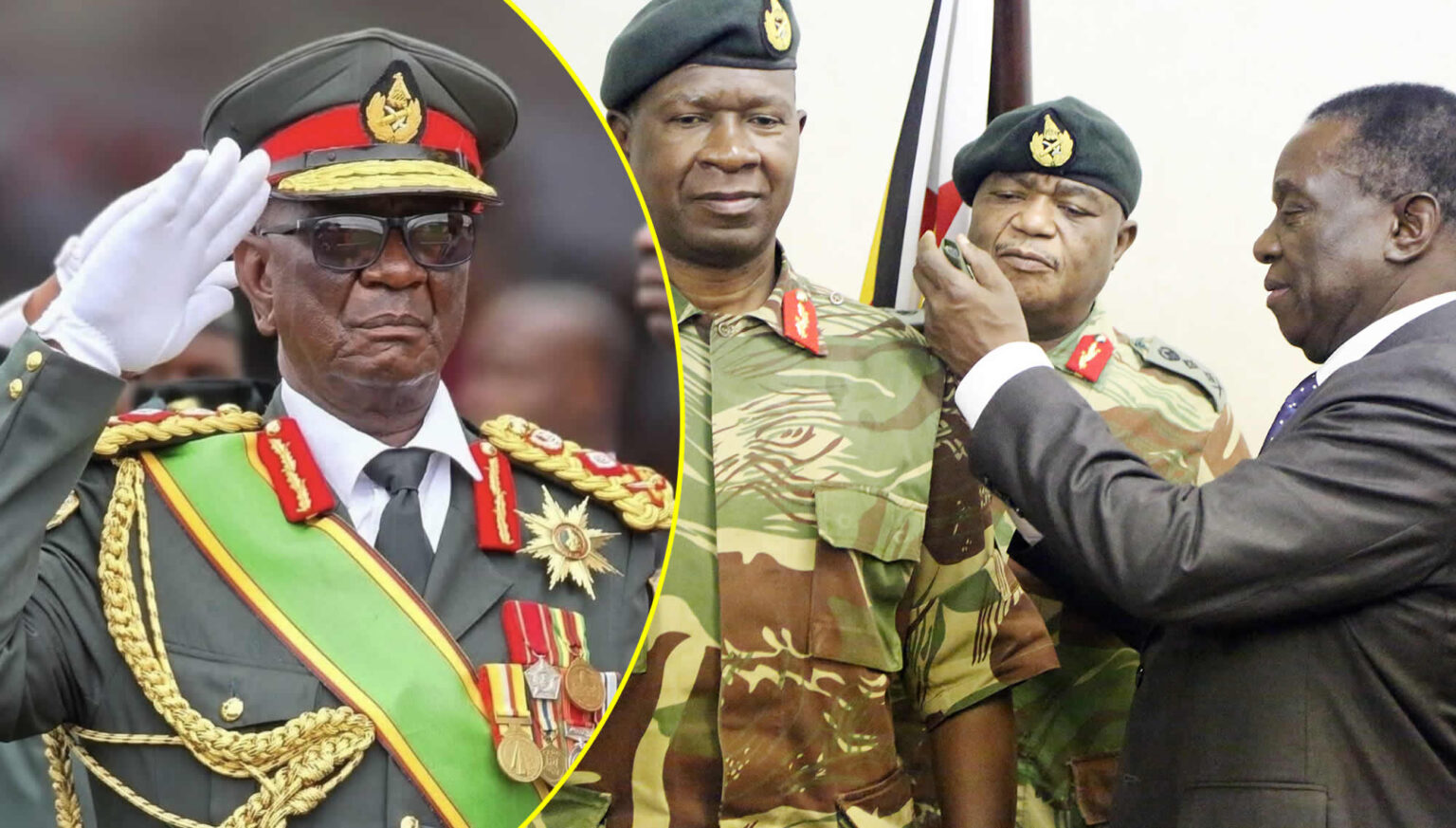
ZDF Command Restructured as President Mnangagwa Appoints New Top Brass

H.E President Dr Emmerson Dambudzo Mnangagwa, Commander-in-Chief of the Zimbabwe Defence Forces, will on Monday, 24 November 2025, officiate a significant leadership transition at Charles Gumbo Barracks in Harare.

This follows the retirement of long-serving ZDF Commander, General Philip Valerio Sibanda, whose distinguished service spans more than five decades.

Demonstrating confidence in the next generation of defence leadership, President Mnangagwa has promoted Lt-Gen Emmanuel Matatu to the rank of General and appointed him Commander of the Zimbabwe Defence Forces, effective 21 November 2025. He has also elevated Maj-Gen Asher Walter Tapfumaneyi to Lieutenant General and appointed him Commander of the Zimbabwe National Army, effective 25 November 2025. More …

ZANUPF Reaffirms Reserved Sector Reforms to Strengthen Local Ownership and Boost National Prosperity

ZANUPF Harare Province Inter-District meetings have reaffirmed the ruling party’s commitment to restoring Zimbabwean control of the reserved sector and expanding economic opportunities for citizens. The resolutions, warmly received by grassroots supporters, signal a renewed push to ensure locals lead industries long dominated by foreign players. Foreign investors should not be alarmed, as the policy is designed to strengthen local participation while preserving a predictable and investor-friendly environment.

Cabinet has already approved a Reserved Sector Implementation Framework (3 June 2025), designating 15 sectors exclusively for Zimbabweans, including artisanal mining, bakeries, grain milling, logistics, estate agencies, hair and beauty services, passenger transport, and quarry mining. The reforms aim to correct long-standing imbalances while creating jobs, strengthening local enterprise, and retaining value within the economy. More …