
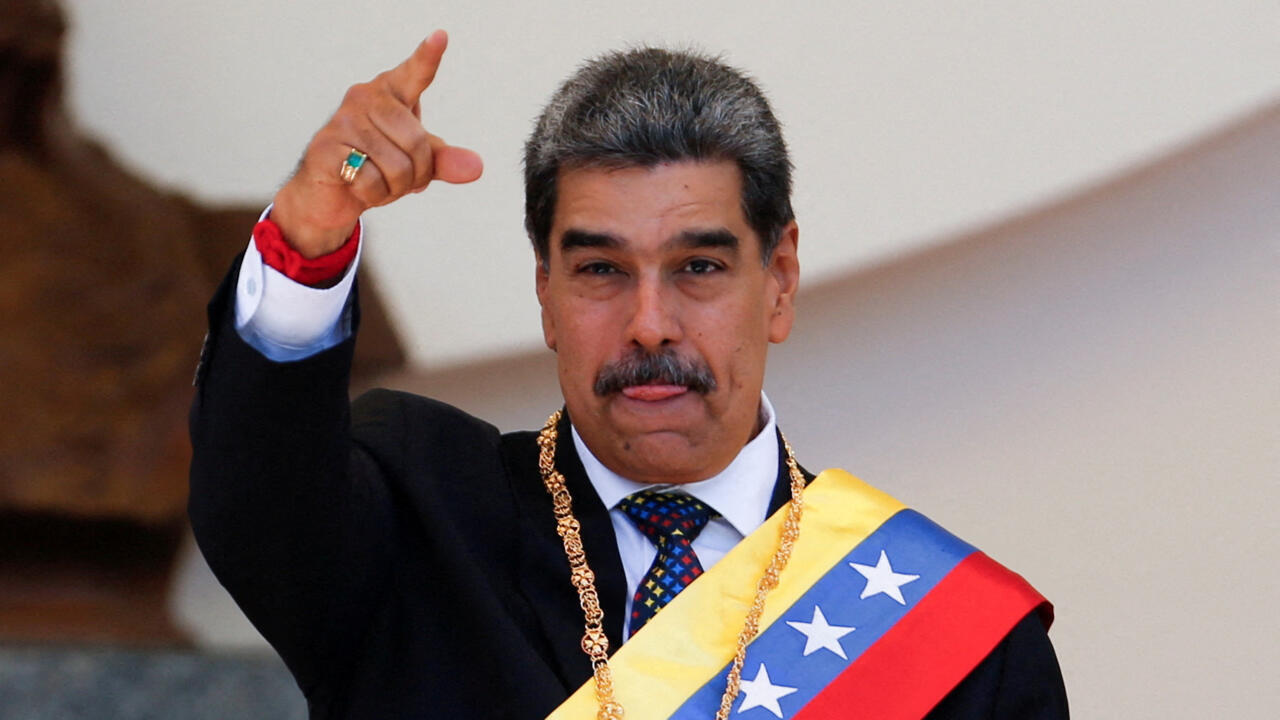
America’s action against Venezuela is being sold as strength, resolve, and leadership. In truth, it is something far less flattering. It is fear, stripped of discipline and dressed up as authority. Fear of a world that no longer waits for Washington’s permission. Fear of systems that function beyond the dollar. Fear of governments that refuse to be disciplined by sanctions or intimidated by threats. Fear, above all, of irrelevance.
Empires at ease do not behave this way. Confident powers do not lurch from economic strangulation to open coercion. They do not normalise the language of seizure and removal when persuasion fails. They do not need to turn a sovereign state into a public spectacle to remind others who is in charge. These are the reflexes of a hegemon sensing that the ground beneath it is shifting.
The reports surrounding the seizure of President Nicolás Maduro and his wife, following direct U.S. military action, are shocking not only for their content but for their plausibility. That such an act can be contemplated, announced, or defended at all tells us how far restraint has eroded. The danger is not only whether the act occurred in precisely the form described; it is that the global system has been conditioned to accept it as conceivable. That alone marks a profound rupture in international norms.
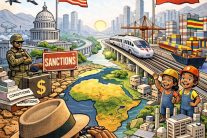
This escalation did not emerge from nowhere. Venezuela has endured years of economic siege under the sanitised label of “sanctions” – a campaign that collapsed currency, disrupted healthcare, and punished civilians while allowing its architects to claim moral distance from the suffering inflicted. When those measures failed to break the state, the logic of dominance demanded something harsher. The narrative shifted from pressure to criminalisation, from diplomacy to manhunt. Sovereignty became defiance. Independence became provocation. What we are witnessing now is not policy improvisation but the final phase of a long, deliberate strategy.
The United States continues to invoke a “rules-based international order,” yet its actions reveal an order that functions only when rules restrain others. International law is treated as optional. The UN Charter’s prohibition on force against political independence is reduced to a slogan. What remains is hierarchy enforced by coercion. If this precedent stands, elections mean nothing unless approved externally, and borders exist only until they inconvenience power.
This behaviour does not project confidence. It advertises anxiety. Washington’s real concern is not Venezuela’s internal politics. It is the steady erosion of monopoly power – a world where trade routes bypass the dollar, where sanctions lose their bite, where development occurs without ideological submission. Venezuela is punished not for what it is, but for what it represents: proof that resistance, however costly, is possible.
For the progressive world, this moment demands clarity. Neutrality is no longer a serious position when the capture or removal of sovereign leaders is even entertained as statecraft. Silence no longer signals prudence; it signals acquiescence. Today it is Caracas. Tomorrow it will be any capital that insists on policy autonomy, resource control, or non-alignment.
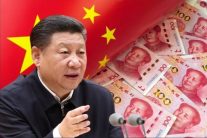
Against this backdrop, the contrast with China could not be more revealing. China’s civilised policy of being friends with all for the common good of all stands as a rebuke to coercion masquerading as leadership. It does not demand regime change or ideological loyalty as the price of cooperation. It builds rather than besieges, negotiates rather than intimidates, and anchors its global engagement in development, mutual benefit, and long-term stability. This approach recognises a basic truth the United States increasingly refuses to accept: in an interdependent world, domination breeds instability, while cooperation produces durability.
The growing gravitation of the Global South toward alternative centres of power, including Russia, is not romanticism or rebellion for its own sake. It is a rational response to decades of unilateral pressure and selective legality. Multipolarity is not about replacing one master with another; it is about restoring balance so that no single state can unilaterally decide who governs, who trades, and who is punished into submission.
What has unfolded around Venezuela is a warning shot, not just to one nation, but to the world. It asks a stark question: will global politics be governed by fear and force, or by sovereignty, restraint, and shared development? America’s answer is becoming increasingly clear. The rest of the world must decide whether it will continue to whisper its objections, or finally speak with the confidence this moment demands.
History is unkind to empires that mistake coercion for legitimacy. And fear, no matter how heavily armed, has never been a sustainable foundation for global leadership.

































Post a comment