
There was a time when Zimbabwe did not merely pass through years – it named them.
A year carried intent. Direction. Instruction.
1978 was not just another page on the calendar; it was Gore reVanhu, the year the liberation struggle placed its faith squarely in the masses. 1980 was not simply Independence; it was Gore reMasimba kuVanhu, the year power returned to its rightful owners. 1982 became Gore reShanduko, the year of people-driven transformation. These names were not decorative poetry. They were historical assignments. They told the nation what the moment demanded of it.
Somewhere along the way, that tradition faded. We replaced meaning with matrices, resolve with reports, poetry with policy frameworks. Time became technical. Neutral. Unnamed.
Yet as 2025 draws to a close, something unmistakable emerges when one looks back honestly – not through commentary, but through lived experience. From the uncertainty of January to the grounded confidence of December, this was not an ordinary year.
It was a year of rising.
If we still named years as we once did, 2025 would be called Gore rekuSimukira – the Year of Rising Up.
It did not begin easily. The shadow of the 2024 El Niño-induced drought still lay heavily across the land. Fields were dry. Predictions were grim. Shortages were spoken of with an almost rehearsed certainty by those long accustomed to announcing Zimbabwe’s collapse before it occurs.
Then the season turned – not by chance, but by planning, coordination, and resolve.
By year’s end, Zimbabwe had produced over 2.9 million tonnes of cereal, reversing early forecasts and restoring national food security. Strategic Grain Reserves were replenished. The country moved from anxiety to control, from speculation to certainty. Quietly, without spectacle, Zimbabwe reminded itself of a simple truth – it can feed itself when it organises, plans, and persists.
That alone would have marked a turning point. But 2025 did not stop there.
For years, industrialisation lived largely in speeches and policy documents. Steel, in particular, had become the symbol of deferred ambition – always promised, never delivered. Until this year.
In November 2025, Manhize entered full commercial steel production, and something deeper than economics shifted. Steel stopped being a metaphor. It became a product. Zimbabwe moved decisively from exporting raw material to manufacturing value. Steel bars left the plant. Export markets opened. A psychological barrier collapsed.
A country that produces steel is not improvising its future. It is building it.
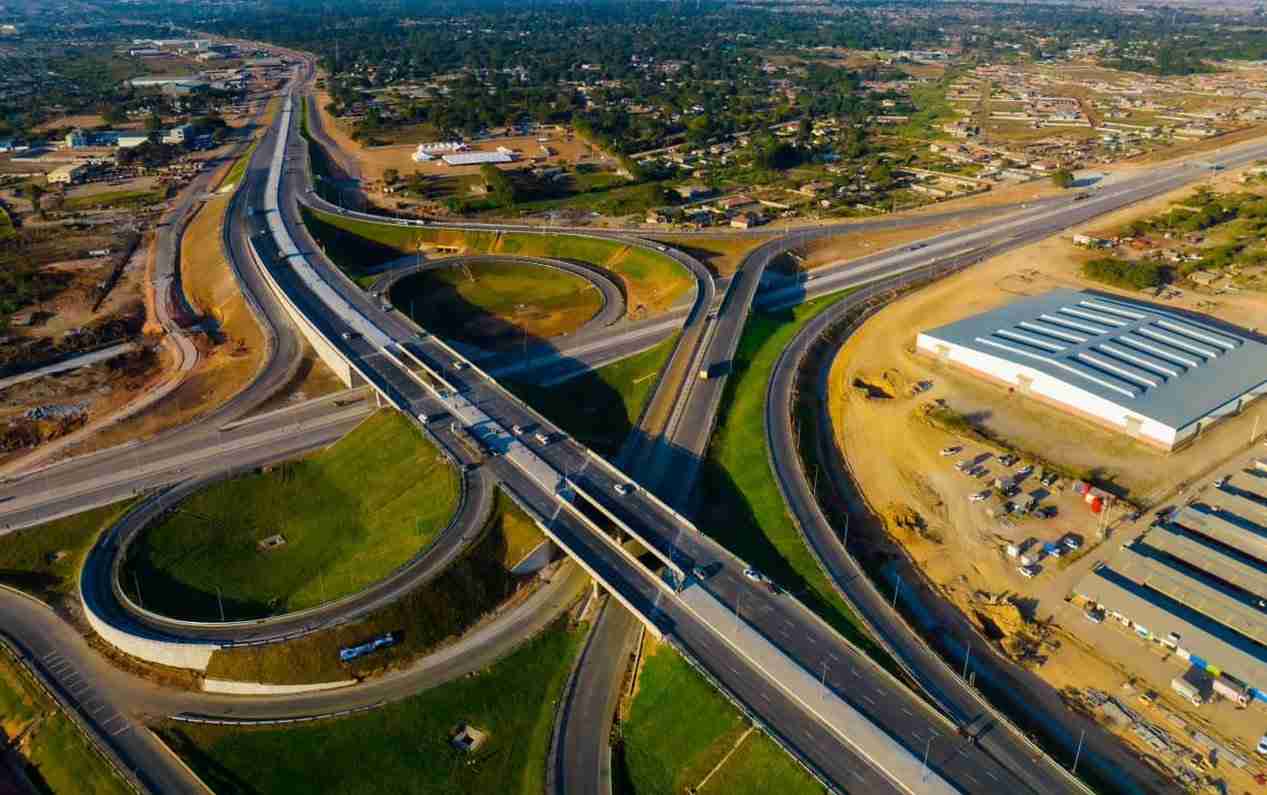
Infrastructure followed the same logic of execution. Projects long dismissed as aspirational became functional realities. Even Harare, for decades synonymous with congestion and frustration, felt tangible relief as the Trabablas Interchange finally began flowing as designed – a visible symbol of planning translated into lived experience.
And then, quietly but unmistakably, confidence returned.
Tourism rebounded strongly. Hotels filled. National parks and conservancies recorded high occupancy. Zimbabwe stopped explaining itself and simply opened its doors. Visitors responded not to persuasion, but to experience.
Perhaps the most scrutinised moment of the year came with the continued stabilisation of the Zimbabwe Gold (ZiG) currency, introduced under the stewardship of the Second Republic led by President Emmerson Dambudzo Mnangagwa. Skepticism was understandable; Zimbabweans have learned caution through history. Yet by December, the facts spoke plainly. Inflation eased into single-digit territory. The year closed without currency collapse. For the first time in many years, Christmas arrived without panic.
It was not perfection. But it was stability – and stability is a victory when volatility has been the past.
This is why kuSimukira fits.
Not because everything is finished – but because something has clearly begun.
To rise does not mean to float. It means to push upward against weight, against gravity, against expectation. After droughts, turbulence, sanctions pressure, and persistent predictions of failure, 2025 became the year Zimbabwe regained its balance and began rising again – under the leadership of President Mnangagwa and a ZANU PF – led Government focused on production, infrastructure, and sovereignty.
Historians will record the figures. Economists will chart the trends. Analysts will debate the trajectory.
But for those who lived it – who planted, worked, waited, doubted, and then watched things slowly begin to hold – this year already has a name.
2025 was not just another year.
It was Gore rekuSimukira.
If 2025 was the year Zimbabwe rose, then 2026 must be the year it consolidates that rise.
If we are to name the year ahead, let it be:
2026 – Gore reKusimbisa (The Year of Consolidation and Deepening)
Because rising is only the beginning. What follows is strengthening, anchoring, and building durability – turning momentum into permanence.
History, once again, is offering Zimbabwe an assignment.





































Post a comment