
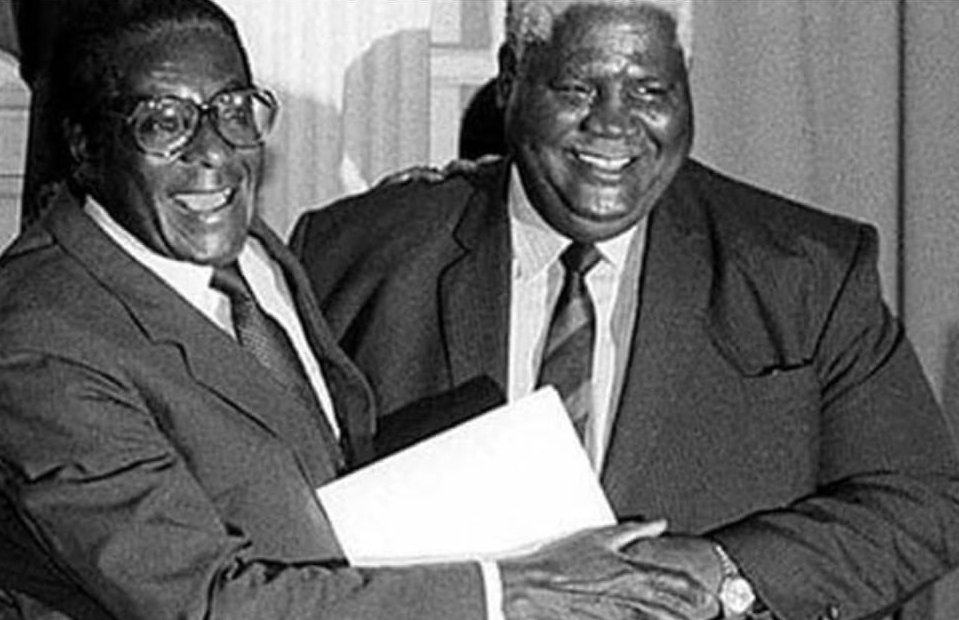
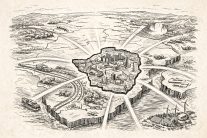
Every year, the 22nd of December arrives quietly, almost like a pause in the national calendar as we are all preparing for the December 25 and 26th holidays – a moment when Zimbabwe is invited to remember that the most difficult victories are not won on the battlefield, but in the heart of a nation learning to live as one. National Unity Day exists because we once discovered, painfully, that political independence is not the same thing as national cohesion. Every patriot across the length and breadth of our Great Zimbabwe honours a sacred covenant. The signing of the 1987 Unity Accord was not merely a political handshake; it was a deliberate act to end a season of internal conflict and to pull the country back from the edge. It was a miraculous stitching together of the very soul of our nation.
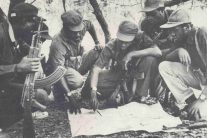
To speak honestly about the Unity Accord is to admit what made it necessary. The early years after Independence were marked by deep mistrust, insecurity, dissident violence, and heavy-handed responses. It was a period whose scars did not follow neat political boundaries, and whose pain still sits in family stories, unmarked graves, and silences passed down like inheritance. For seven long years, brothers who had shared the trenches of the Second Chimurenga found themselves on opposing sides of a tragic divide. The risk was total – the disintegration of the state and the reversal of our revolutionary gains.
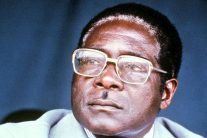
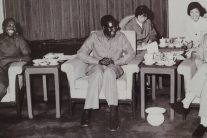
It took the towering statesmanship of two giants – Cde Robert Gabriel Mugabe of ZANU and Cde Joshua Mqabuko Nyongolo Nkomo of PF-ZAPU – to say “enough.” On that historic Tuesday in 1987, these two liberation movements that had carried the hopes of the people through the struggle merged under the mediation of the venerable Cde Canaan Banana. By putting their names and authority behind a single national future, they taught us that no grievance is larger than the nation. The Unity Accord did something rare in politics: it placed nationhood above faction and survival above pride. It recognised that Zimbabwe could not be built with one region nursing wounds while another region pretends those wounds do not exist.
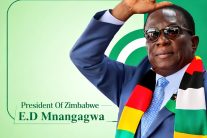
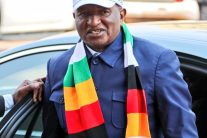
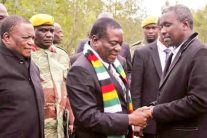
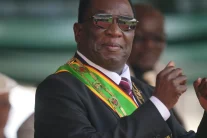
This is not a sentimental point; it is ideological. Our party’s mantra of Unity, Peace, and Development is not a slogan for rallies – it is a blueprint for statecraft. When unity breaks, development becomes a rumour. When peace breaks, investment becomes a dream. When cohesion breaks, sovereignty becomes easy to target. This is the bedrock upon which the Second Republic, led by President Emmerson Dambudzo Mnangagwa, stands today. Unity is not a static trophy; it is a living garden that requires constant weeding. Today, it is about asking a hard question: Do we want closure, or do we want a permanent national wound that foreign interests and domestic opportunists can keep reopening whenever it suits them?
President Mnangagwa’s Second Republic has placed a bold, homegrown process on the table through the Gukurahundi community engagement and hearings. By the end of September 2025, the outreach had recorded over 13,000 submissions, proving that our people want to be heard formally and respectfully. By empowering traditional leaders to lead these victim-centred, confidential dialogues, the President is ensuring that healing is heart-to-heart. No serious Zimbabwean should hear of these elders, religious leaders, and counsellors working towards compensation and closure and conclude that the best response is sabotage.
There are those, fuelled by foreign interests or narrow-minded populism, who seek to disrupt these hearings. This is not an act of bravery; it is counter-productive sabotage for three vital reasons. First, it delays closure; a wound does not heal by arguing about whether it should be cleaned. Second, it turns pain into politics; there are those who want perpetual anger because anger is marketable, yet anger does not rebuild a home. Third, it undermines a Zimbabwean solution. If we do not own our reconciliation process, someone else will claim it and use it against us. Fighting these hearings does not protect victims; it risks trapping them in a permanent waiting room of exploitation.
Unity Day should be approached with maturity. It is easy to chant unity, but harder to practise it when the subject is painful. Unity is not the absence of difference; it is the refusal to weaponise difference. It is not pretending nothing happened; it is choosing a future so deliberately that the past loses the power to recruit us into hatred. We honour the partners of the Unity Accord – ZANU-PF and PF-ZAPU – not by treating the day as a holiday for leisure, but as a reminder that unity is an achievement that must be renewed.
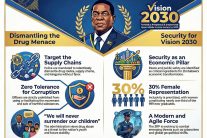
If we are serious about unity, then we must be serious about reconciliation. Not as theatre or propaganda, but as nation-building. Zimbabwe is not a project for the loudest voices; Zimbabwe is a home. And a home is built by those who choose unity – even when it is hard. Let us silence the agents of discord and march, as one people, towards our Vision 2030. Unity is our power. Unity is our heritage. Unity is our future.































Post a comment