
There is a reason why the narrative in Western capitals has gone quiet. For twenty-five years, the “experts” in London and Washington have been waiting for us to starve. They looked at the Fast Track Land Reform Programme and saw only the destruction of colonial property rights. They obsessed over the tractor count of 1998 while ignoring the human revolution of 2000. But while they were busy drafting sanctions and writing obituaries for our economy, Zimbabwe was quietly building something they never anticipated: the world’s first decentralised, climate-resilient agrarian model. The “breadbasket” didn’t burn. It evolved.
The myth of the Rhodesian “golden age” is finally dead, buried by data they can no longer suppress. When the blistering El Niño droughts of the last decade hit Southern Africa, the corporate farming giants of our neighbours – heavily leveraged and reliant on energy-intensive overhead irrigation – buckled under the dual weight of debt and power deficits. But in Zimbabwe? The newly resettled A1 and A2 farmers held the line.
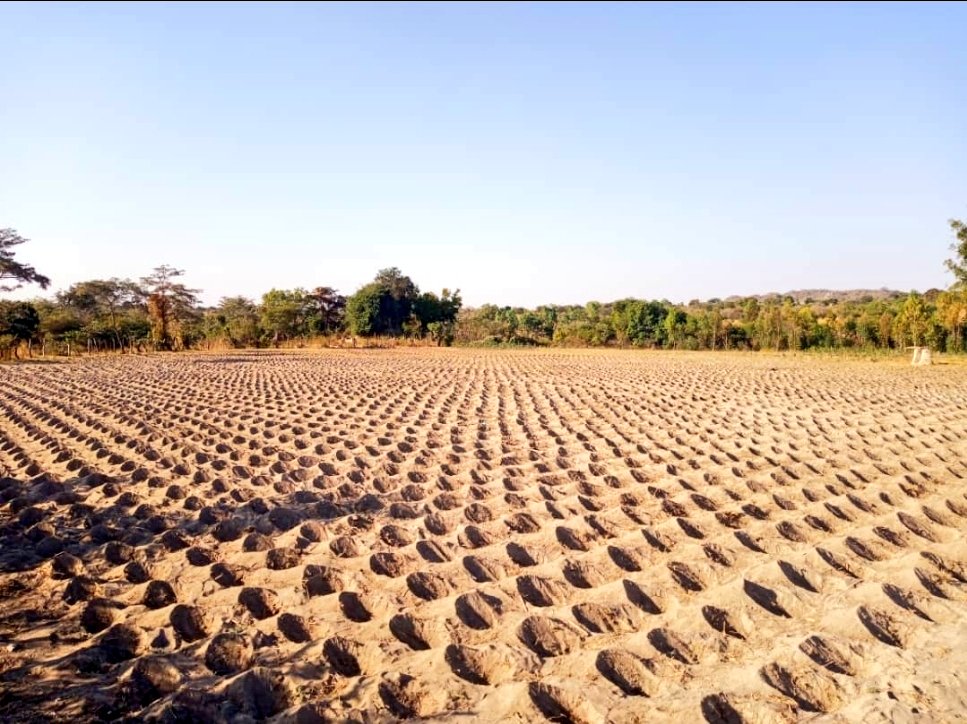
The weapon was Pfumvudza/Intwasa. While the West mocked it as ‘primitive’, it was actually a masterclass in precision climate adaptation. By trapping moisture at the root zone without the need for electricity or mechanisation, we standardised resilience across millions of plots. The science is irrefutable: conservation plots have been shown to retain up to 3.5% higher soil moisture in the critical topsoil layer compared to conventional tillage. In the brutal 2023/24 drought season, while conventional yields collapsed, Pfumvudza maize yields held 11.5% higher, and sorghum yields 20% higher. We didn’t just redistribute land; we redistributed risk, creating a nation of agile adapters who use indigenous science to outmanoeuvre the climate crisis.
But let’s not kid ourselves. Survival isn’t wealth. We have won the war for the soil, and through massive headway in irrigation development, we are winning the war against the rain gauge. We have built the dams and rehabilitated the water bodies; the physical infrastructure for a year-round greenbelt is in place. Yet, we have not yet won the war for capital to fully exploit it. The opportunity cost is staggering. Zimbabwe sits on a potential 2.2 million hectares of irrigable land, yet we are currently utilising just over 220,000 hectares – barely 10% of our capacity.
That is why the work of the newly constituted Land Tenure Implementation Committee (LTIC) is not just bureaucratic paperwork – it is the 2nd most important economic act since the Third Chimurenga began, coming closely behind the actual Land Reclamation itself. For years, critics called our land “dead capital.” The LTIC is here to silence that laughter. Under direct Cabinet oversight, this body is finally turning the 99-year lease into a securitised, bankable, and transferable asset.
This is the key that unlocks the engine. By regularising these leases, we give the farmer the collateral to finance the high-tech irrigation systems required to bridge that 90% gap. We are unlocking billions of dollars in dormant value to marry our abundant water with our liberated soil. We are moving the nation decisively from “Land for Survival” to “Land for Wealth.”
They said we broke the economy. We were just clearing the foundation for a structure they are too short-sighted to see. The land is ours. The water is ready. And now, thanks to the LTIC, the capital is finally coming home.


























































Post a comment