
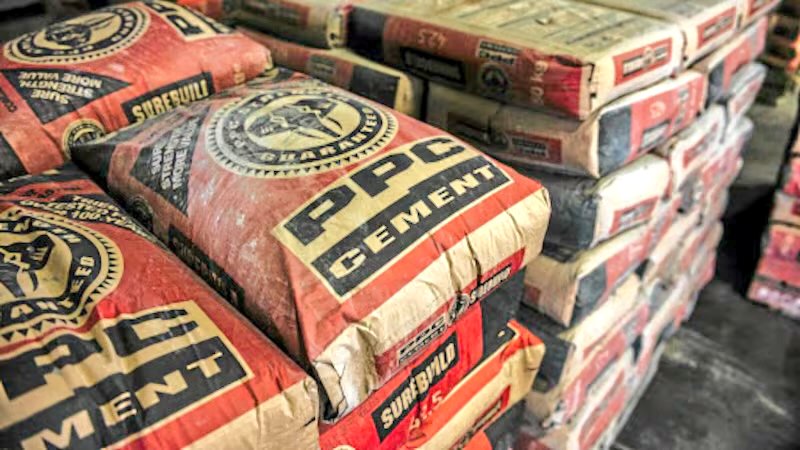
The Ministry of Industry and Commerce has moved decisively to address the temporary cement shortages, outlining a clear and confident strategy that reflects the Second Republic’s commitment to maintaining economic stability while safeguarding consumers. The Ministry explains that the current pressures stem from a convergence of regional and domestic factors, including a widespread clinker shortage, scheduled maintenance at Sino Zimbabwe, and unexpected breakdowns at PPC and Lafarge. These challenges emerged at a time when Zimbabwe’s construction sector is expanding at an unprecedented pace, with national cement demand now almost three times higher than in 2017 – a direct reflection of the infrastructure boom driven by President Mnangagwa’s development agenda. Rather than signalling a structural problem, the temporary shortage underscores the scale of economic activity and the speed at which the country is developing.
Government has acted swiftly to cushion the market, increasing the issuance of cement import licences, with 145,000MT approved since October. This intervention is already bearing fruit as imported product arrives in the country and domestic production steadily rebounds, with Sino Zimbabwe now back in operation and PPC’s Bulawayo plant fully repaired. To accelerate supply inflows, Government has taken a pragmatic approach by waiving the CBCA certification requirement for cement imports until 20 December 2025, reducing delays while maintaining necessary oversight.
The Ministry has also clarified the process for obtaining an import licence, ensuring transparency and accessibility in line with the Second Republic’s Ease of Doing Business reforms. Licences can be processed in Harare, Bulawayo, Mutare, Masvingo, and Gweru, and applicants are required to submit an application letter, proforma invoice, current ZIMRA tax clearance, Standards Development Fund receipt, CR14, Certificate of Incorporation (CR6), and pay the USD 100 licence fee in ZiG equivalent. This system ensures that only compliant and properly registered companies participate in the importation process, protecting both market integrity and consumers.
The licensing framework is essential because it enables Government to maintain quality control, prevent market abuse, monitor imported volumes, and stop illicit actors from flooding the country with substandard or under-invoiced products. It also ensures fair competition and shields citizens from exploitation at a time when some opportunistic traders have attempted to inflate prices by taking advantage of supply constraints. Government has issued a firm warning against such behaviour, stressing that profiteering at the expense of the public will not be tolerated.
With domestic production resuming, imports flowing, and major new investments scheduled to come online between 2024 and 2027, Zimbabwe is on course not only to meet national demand but to move into a surplus position. The Ministry emphasises that this trajectory will strengthen industrial capacity, consolidate the construction boom, and eventually open doors for regional exports. The Government’s rapid and coordinated response demonstrates strong, proactive economic management under the Second Republic, ensuring that development continues uninterrupted and that Zimbabweans are protected from artificial shortages and market manipulation.
























































Post a comment