
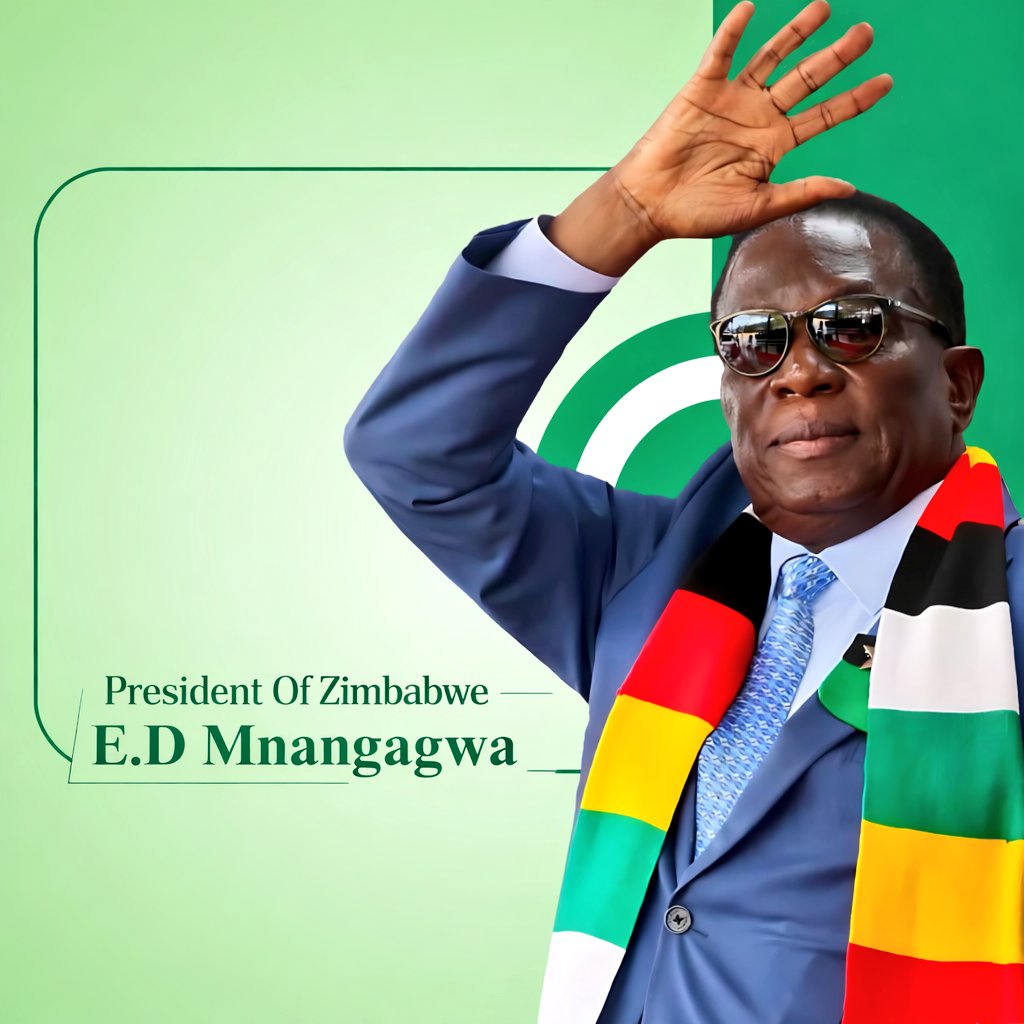
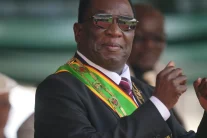
Performance legitimacy – the validation of political authority through tangible socio-economic outcomes – offers a clear framework for understanding the growing momentum within ZANUPF provinces to extend President Emmerson Mnangagwa’s tenure to 2030. Rather than a procedural manoeuvre, this push reflects a judgement that continuity best serves Zimbabwe’s current developmental trajectory.
The argument is anchored in a pronounced shift in the country’s macroeconomic profile since 2017. At that point, GDP stood at approximately US$18 billion amid economic stagnation and constrained industrial capacity. By 2026, projections place national output in the range of US$45–50 billion following GDP rebasing, capitalisation of the mining sector, infrastructure-led expansion, and broader real-sector growth. This expansion is presented by supporters as evidence that the existing policy direction is delivering results. A change in leadership at this stage, they argue, would introduce uncertainty and potentially disrupt large-scale infrastructure, energy, and industrial projects still being consolidated.
Beyond headline figures, the case for continuity is reinforced by visible changes at community level. The rehabilitation of major road networks, the expansion of irrigation schemes, and improvements in agricultural productivity have generated tangible benefits for rural and peri-urban communities. These outcomes have linked everyday economic activity to policy consistency, making continuity appear less ideological and more pragmatic. Proponents further contend that the Vision 2030 reform agenda requires a complete and uninterrupted implementation cycle to achieve institutional maturity, particularly in fiscal discipline, state-owned enterprise reform, and export-oriented growth.
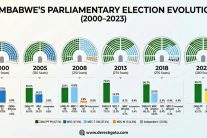
The broader political environment also informs this reasoning. The fragmentation and limited programmatic coherence of opposition formations have strengthened perceptions of ZANUPF as the principal guarantor of administrative predictability. In this context, continuity is framed as a stabilising choice rather than an exception.
From a legal standpoint, the proposed course rests on constitutional provisions that allow for amendment, with advocates presenting the process as an expression of popular will. The underlying argument is that constitutional mechanisms must remain responsive to developmental priorities.
Taken together, the 2030 mandate is framed as a shift toward outcome-based governance, where extended leadership is justified not by rhetoric, but by the imperative to consolidate recovery and sustain long-term economic progress.

















































Post a comment