
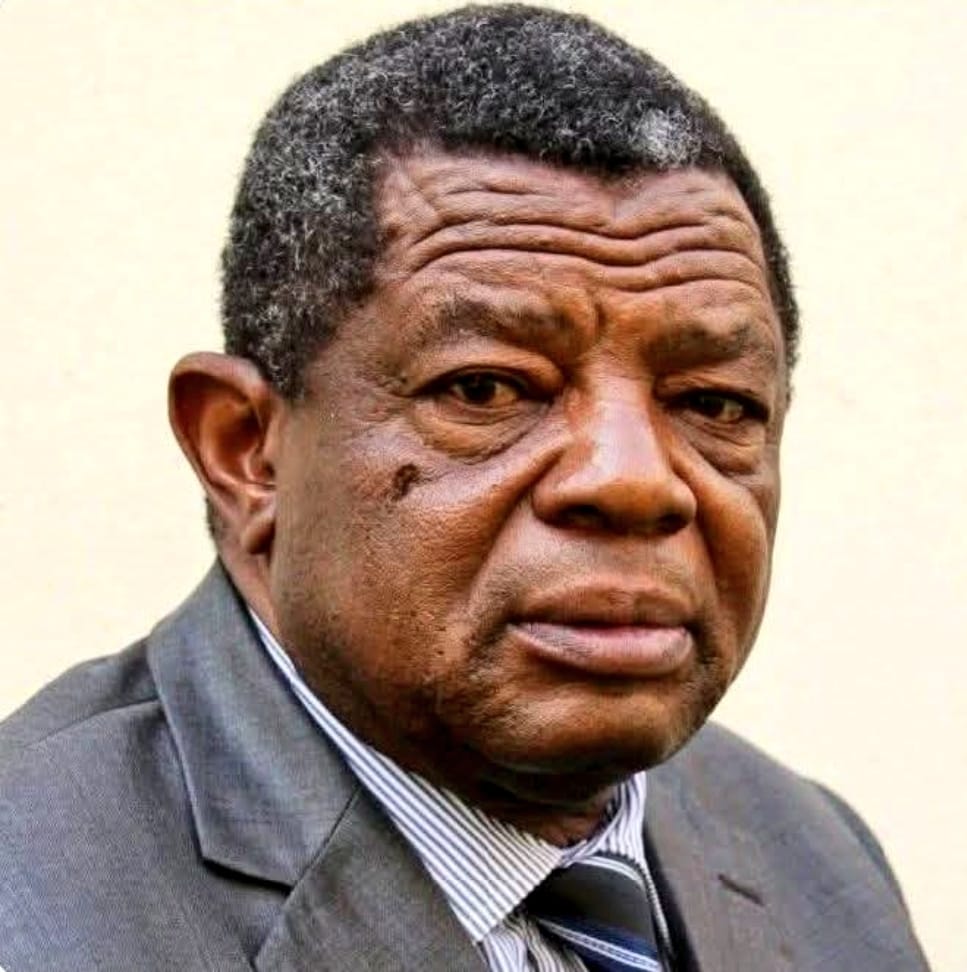
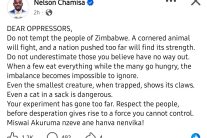
Zimbabweans were first confronted not with solemn news, but with a grotesque political fabrication: a politically charged statement issued in the name of Blessed Geza on his X account, as if he were still alive, when by then he had been dead for at least three hours. That act was not an error of timing; it was cheap, cynical politics. It bears the unmistakable fingerprints of account handlers suspected to be aligned with Saviour Kasukuwere and his cohorts, who chose manipulation over decency. To weaponise a corpse for factional messaging is not activism. It is moral bankruptcy.
Only thereafter did the country receive confirmation of the passing of Blessed Geza, a liberation war veteran whose life intersected with Zimbabwe’s most consequential struggles and whose final years exposed the unresolved tension between revolutionary history and present-day responsibility.
His death invites reflection, not revisionism. Moments of loss require honesty, not opportunistic ventriloquism. Liberation history is honoured not through distortion, but through sober examination of achievement, contradiction, and consequence.
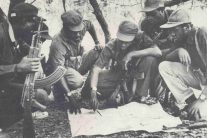
Blessed Geza was undeniably a cadre of the Second Chimurenga. He belonged to a generation that took up arms when other remedies had been exhausted. That war was not symbolic; it was existential. Independence was earned through sacrifice, discipline and collective resolve. For that contribution, his place in the liberation record is settled and secure.
In the post-independence period, he aligned himself with the Third Chimurenga, the land reform programme that sought to address the unfinished business of colonial dispossession. Whatever its disruptions and costs, land reform was historically unavoidable. It reasserted indigenous ownership and corrected an economic structure that political independence alone could not dismantle. In this phase, Geza again stood on the side of economic emancipation, reinforcing the principle that freedom without land and opportunity is incomplete.
It is precisely because of this history that the final phase of his life demands sober scrutiny. In his closing chapter, Blessed Geza departed from the very discipline that once underpinned his revolutionary credibility. His last public utterances and actions were confrontational, destabilising and openly incendiary. They were not principled dissent or patriotic correction. They constituted reckless agitation, trading historic sacrifice for present-day disruption and placing personal grievance above national stability. This was not revolutionary vigilance; it was a repudiation of the peace he once fought to secure.
Liberation credentials are not a licence to undermine the state. They confer obligation, restraint and responsibility. Former fighters are custodians of the revolution, tasked with defending its gains and protecting the nation from regression. When that authority is turned against the very institutions and order it helped establish, it forfeits moral legitimacy. At that point, conduct ceases to be revolutionary and becomes subversive. History makes that distinction without sentiment.
Zimbabwe’s peace is a strategic national asset. It is deliberate, fragile and hard-won, secured through sacrifice and preserved through restraint. To endanger that peace, especially from the platform of liberation pedigree, is to gamble irresponsibly with the future of generations now tasked with nation-building. That is not heroism, regardless of who commits it.
Death invites compassion, but it must not compel historical amnesia. Ill health and mortality evoke empathy, yet they do not erase responsibility. Past heroism cannot be deployed as insurance against conduct that threatens national cohesion. History records contribution, and it records contradiction. With Blessed Geza’s passing, that record closes.
He will be remembered for his role in dismantling colonial rule and advancing land justice. Those chapters are secure. But he will also stand as a cautionary figure, a reminder that revolutions are threatened not only by external enemies, but by internal decay when discipline, humility and national loyalty are abandoned.
The final measure of a revolutionary life lies not in last words, least of all words fabricated after death, but in the contrast between what was built and what was later risked. Zimbabwe owes its liberation heroes recognition. It owes its future uncompromising vigilance.






































Post a comment