
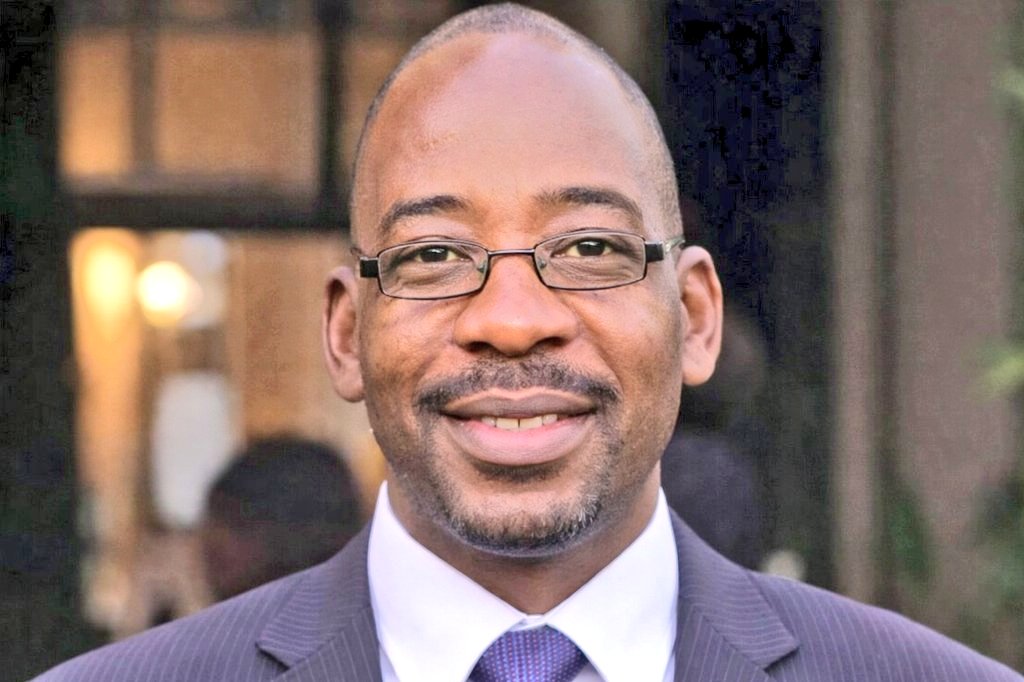
The grotesque political spectacle surrounding the death of Blessed Geza has served one useful purpose: it has crystallised the profound and chronic folly of Nelson Chamisa’s leadership. This is not mere inconsistency; it is a masterclass in unprincipled opportunism.
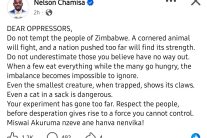
Chamisa’s conduct is a textbook case of political cowardice. When Geza was alive and his calls for protest posed a tangible risk of association with failure, Chamisa explicitly and publicly forbade his followers from participating, dismissing the efforts as internal ZANUPF squabbles. This was a clear, calculated disavowal. Yet, upon Geza’s death, the same man is miraculously transformed into a ‘visionary’ whose ‘noble cause’ must be adopted. This unconscionable reversal is not a tribute; it is a clear and desperate attempt to scavenge political relevance from a corpse. It reveals a leader so devoid of core conviction that he views human mortality as a public relations opportunity.
Moreover, this fiasco underscores Chamisa’s strategic impoverishment. His posthumous elevation of Geza betrays a clinging to the debunked myth of ZANUPF’s imminent internal collapse. The empirical reality – that Geza’s mobilisations were utterly ignored, demonstrating ruling party cohesion – is wilfully ignored. Chamisa is not analysing politics; he is peddling fantasy.
The contradiction is damning. Chamisa must explain to anyone still listening how a ‘destabilising’ factional battle morphs, upon a participant’s death, into a noble national mission. He cannot. This episode exposes him not as a credible alternative, but as a political charlatan, whose guiding principle is fleeting convenience, rendering him utterly unfit for the serious business of statecraft.


































Post a comment