What the West Won’t Admit About Zimbabwe’s Land Reform

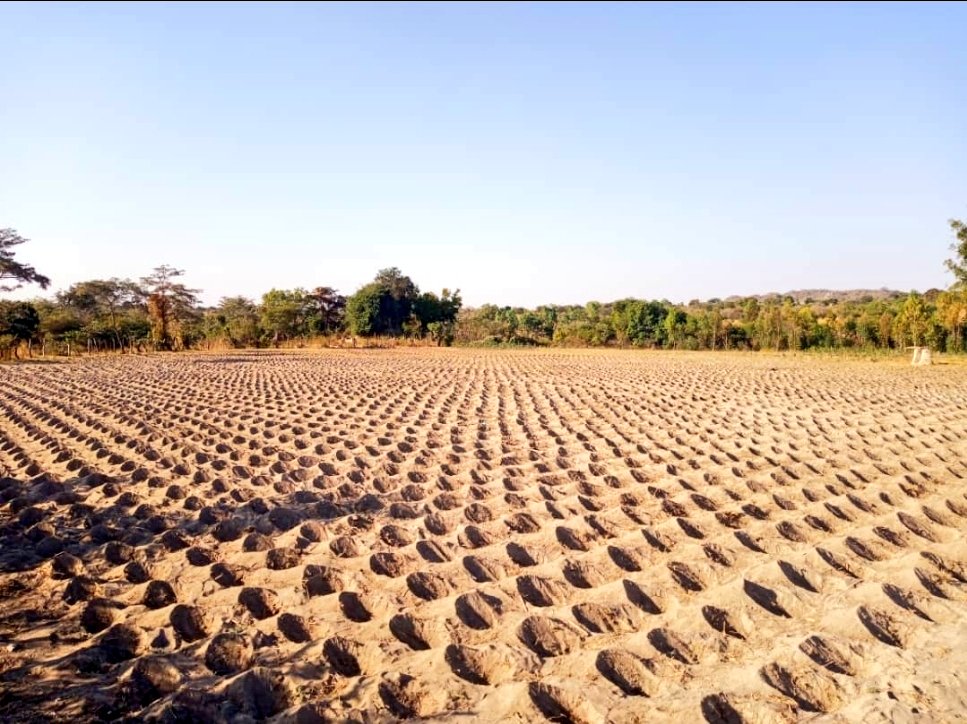
There is a reason why the narrative in Western capitals has gone quiet. For twenty-five years, the “experts” in London and Washington have been waiting for us to starve. They looked at the Fast Track Land Reform Programme and saw only the destruction of colonial property rights. They obsessed over the tractor count of 1998 while ignoring the human revolution of 2000. But while they were busy drafting sanctions and writing obituaries for our economy, Zimbabwe was quietly building something they never anticipated: the world’s first decentralised, climate-resilient agrarian model. The “breadbasket” didn’t burn. It evolved.

The myth of the Rhodesian “golden age” is finally dead, buried by data they can no longer suppress. When the blistering El Niño droughts of the last decade hit Southern Africa, the corporate farming giants of our neighbours – heavily leveraged and reliant on energy-intensive overhead irrigation – buckled under the dual weight of debt and power deficits. But in Zimbabwe? The newly resettled A1 and A2 farmers held the line. More …

Zimbabwe: SADC’s Nexus

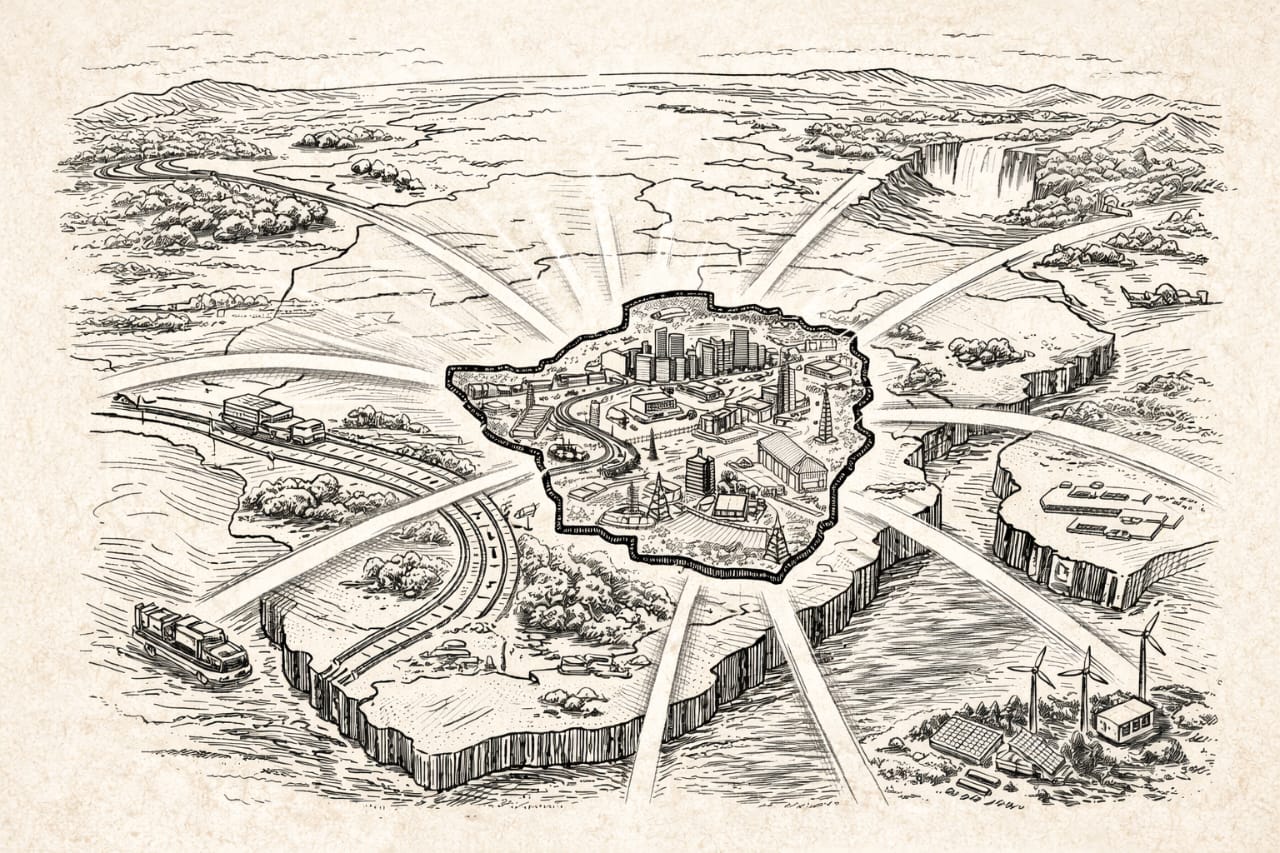
As we navigate the early months of 2026, the narrative surrounding Zimbabwe is undergoing a profound transformation. For years, the conversation was dominated by the language of recovery; today, it is defined by the acceleration of intent. Having successfully concluded the first phase of the National Development Strategy (NDS1) and now aggressively implementing NDS2, Harare is no longer looking inward. It is looking outward, positioning itself as the logistical, industrial, and ecological pivot – the true nexus – of the Southern African Development Community (SADC).

To understand this shift, one must look past the headlines to the structural realities. Zimbabwe’s geography is its most powerful latent asset. Situated at the intersection of the North-South and East-West corridors, the nation acts as the region’s natural circulatory system. What has changed is the intentionality behind this position.
More …

When Power Chooses Reconciliation

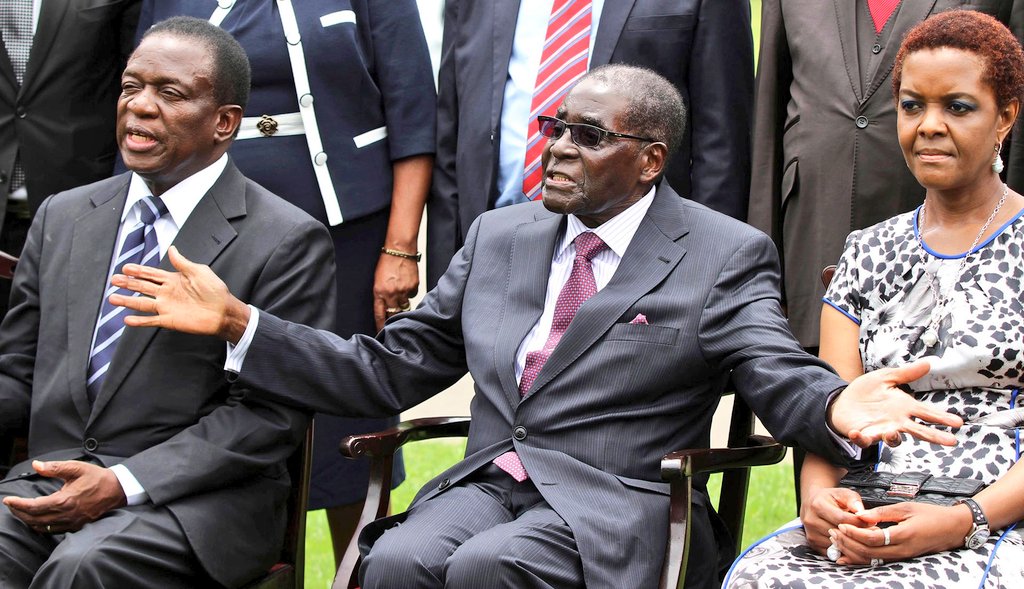
History tends to remember leaders less for the battles they wage than for how they choose to end them. In Zimbabwe’s case, the final chapter between President Robert Gabriel Mugabe and President Emmerson Dambudzo Mnangagwa reveals more about leadership than the turbulence that preceded it.

For decades, the country’s political life was shaped by a partnership forged in the liberation struggle and sustained through the long years of state-building. When that relationship ruptured in November 2017, the break appeared absolute. The hostility was raw, amplified by palace intrigues and the corrosive role of third parties – particularly the G40 faction – who thrived by isolating an ageing leader from his most stabilising alliances. At the time, it looked like a familiar tragedy of succession: mentor and protégé permanently sundered. More …

Cde Tagwirei and the Battle Against Opportunism

Zimbabwe’s political theatre has a habit of blurring intent and projection. In the case of Cde Kudakwashe Tagwirei, that distinction is now clear. His commitment to serving in the Central Committee is undisputed. Beyond that, he has neither declared nor suggested any ambition for higher office. Yet a growing chorus of unauthorised voices continues to draft him into contests he has shown no interest in running.

This is not mobilisation; it is indiscipline. One of the enduring ironies of political communication is that the “brand owner” often becomes the first casualty of his own supporters. By projecting their ambitions onto Tagwirei, these voices distort his disciplined posture and weaken the very brand they claim to defend. More …

The US$16.2 Billion Verdict

Zimbabwe’s current development moment cannot be understood through isolated statistics or sectoral announcements. It must be read as a single, coherent political economy narrative in which macroeconomic stabilisation is deliberately being converted into structural transformation across multiple fronts of national life. From the standpoint of fiscal and monetary economics, the recording of US$16,2 billion in foreign currency receipts in 2025 – the highest figure in Zimbabwe’s history and nearly three times the 2017 level – is not merely an accounting milestone. It is a credibility signal. From the perspective of development politics, the more consequential question is how the State is now choosing to deploy that credibility in 2026. More …