
The Friedrich-Ebert-Stiftung (FES) is once again at the center of bankrolling political sabotage in Zimbabwe, after leaked internal communications and institutional documents surfaced pointing to a coordinated campaign, dressed up as labour activism, to destabilise the Government of Zimbabwe. Today's…






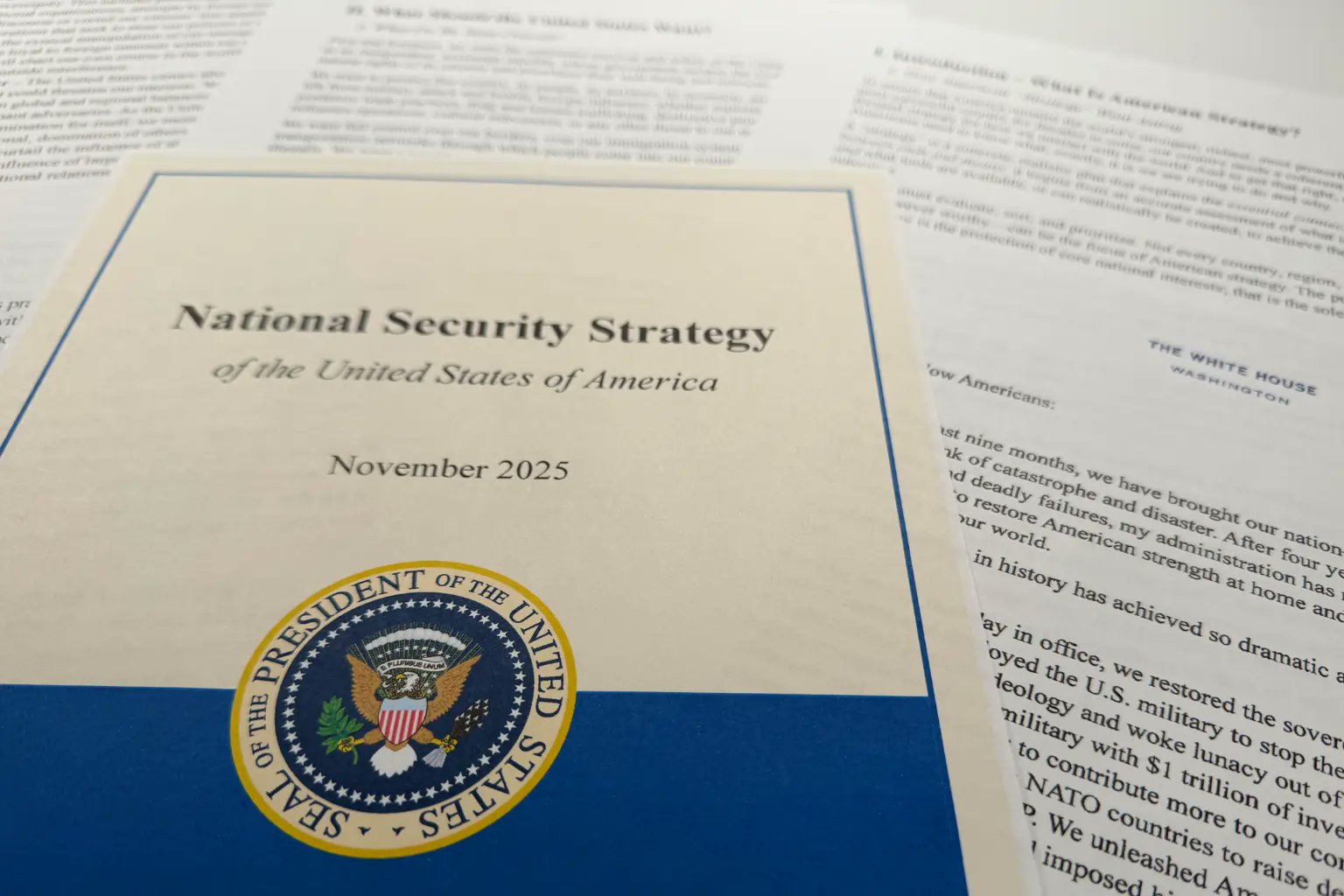
A serious African policymaker reads grand strategy the way an economist reads a balance sheet: not for poetry, but for what it reveals about incentives, constraints, and future behaviour. On that test, the 2025 U.S. National Security Strategy (NSS) is unusually candid. It is not a manifesto of global stewardship; it is a clear blueprint for America First transactional bargaining, deploying trade, technology, and capital markets as tools of leverage for U.S. commercial advantage.
Start with the economic core. The NSS argues that America First diplomacy must “rebalance global trade relationships,” calls the U.S. current account deficit “unsustainable,” and urges allies to adopt policies that help absorb China’s “enormous excess capacity.” In the same breath it makes a striking admission: “China’s state-led and state-backed companies excel in building physical and digital infrastructure,” and China has recycled “perhaps $1.3 trillion” of trade surpluses into loans to trading partners. More …