Profiting Off Human Rights: Sikhala’s Unpatriotic Political Economy

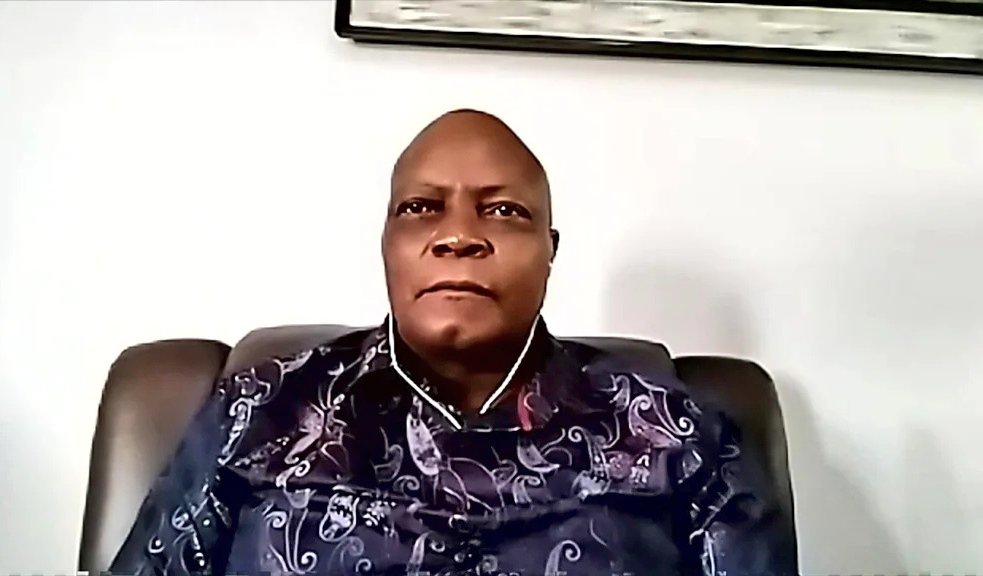
Job Sikhala’s latest accusations of “targeted human rights abuses” are nothing more than a tired script of political theatrics – a desperate attempt to court foreign sympathy, attract donor funding, and revive his fading relevance. These claims are consistently unsupported, exaggerated to absurdity, and crafted not for Zimbabweans but for foreign sponsors eager for a distorted narrative. His track record of incitement, confrontational activism, and disregard for public order strips him of any moral standing to speak on justice or democratic governance.

Sikhala’s agenda is painfully obvious. With the European Union preparing to review its sanctions regime, he is scrambling to contaminate the process with falsehoods. Yet Europe itself is awakening to the fact that these sanctions were built on years of manipulation by opposition figures who oversold their influence and fed the West a steady diet of distortions. As more countries pivot toward constructive re-engagement with Zimbabwe and recognise the opportunities of our natural-resource-driven growth trajectory, Sikhala and his associates cling to stale victimhood narratives that expose their political bankruptcy.

His financial motivations are equally transparent. With Western funding now favouring more organised opposition structures, Sikhala seeks to exploit CCC’s fragmentation to redirect donor money into his personal political experiment. Reports that he secured US$2 million from the UK Labour Party to attack ZANU PF’s Resolution Number 1 – mirroring funds allegedly channelled to Ngarivhume, Biti, and Mwonzora – show how deeply external agendas shape his outbursts. This is politics reduced to Ifadzamutengi wehwahwa – a performance staged to please funders, not to serve Zimbabwe.

By contrast, Government’s posture has been measured and principled, demanding evidence, respecting due process, and reminding the nation of the opposition’s own history of orchestrating violence and undermining public peace. Sikhala’s reflexive pleas for foreign intervention simply expose his leadership vacuum and his complete inability to articulate policies that resonate beyond sensational headlines.

Zimbabweans must view Sikhala’s claims with a discerning and patriotic eye. His rhetoric is hollow, his motives driven by self-gain, and his methods corrosive to national cohesion. Human rights must never be prostituted for foreign applause or for political characters seeking financial lifelines.

Zimbabwe deserves leaders rooted in truth, sovereignty, and national duty – not individuals who treat our nation as a stage for externally funded theatrics.

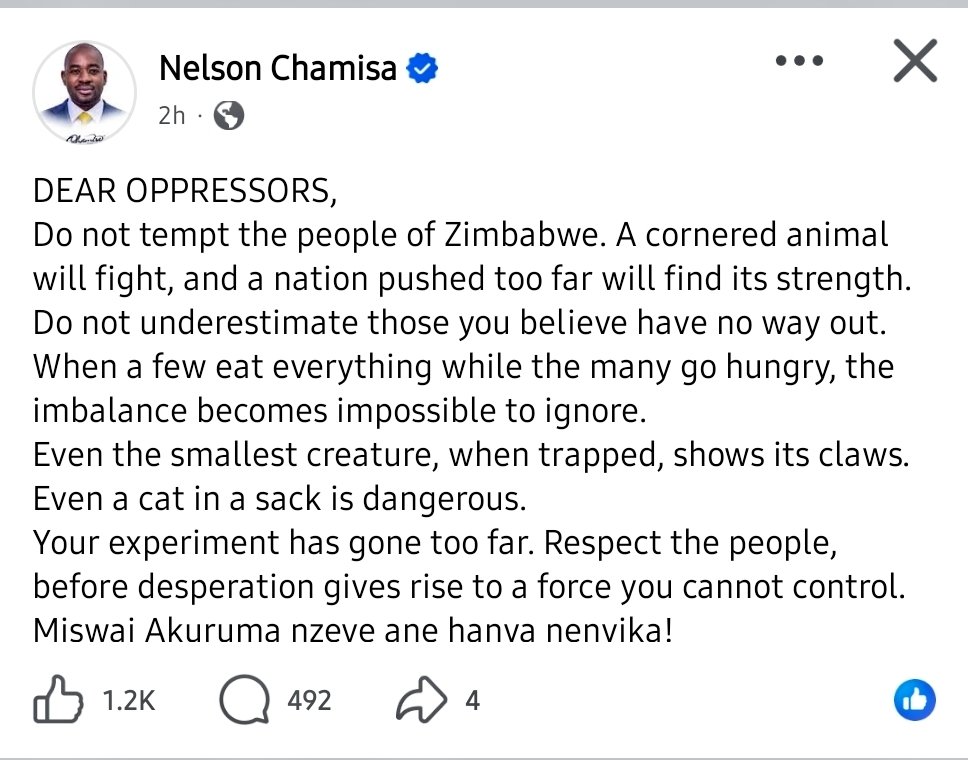
A Message to Chamisa: Choose Constitutional Politics

Dear Mr Chamisa,

Political opposition is not a Zimbabwean invention, so stop pretending your frustrations make you some exceptional figure. Democracies the world over settle their differences at the ballot, not through thinly veiled incitement meant to smuggle illegality under dramatic metaphors.

This is exactly the kind of reckless thinking that keeps the masses rejecting you every election cycle – you mistake grandstanding for leadership and threats for strategy. More …

Afreximbank Applauds Progress on Harare African Trade Centre

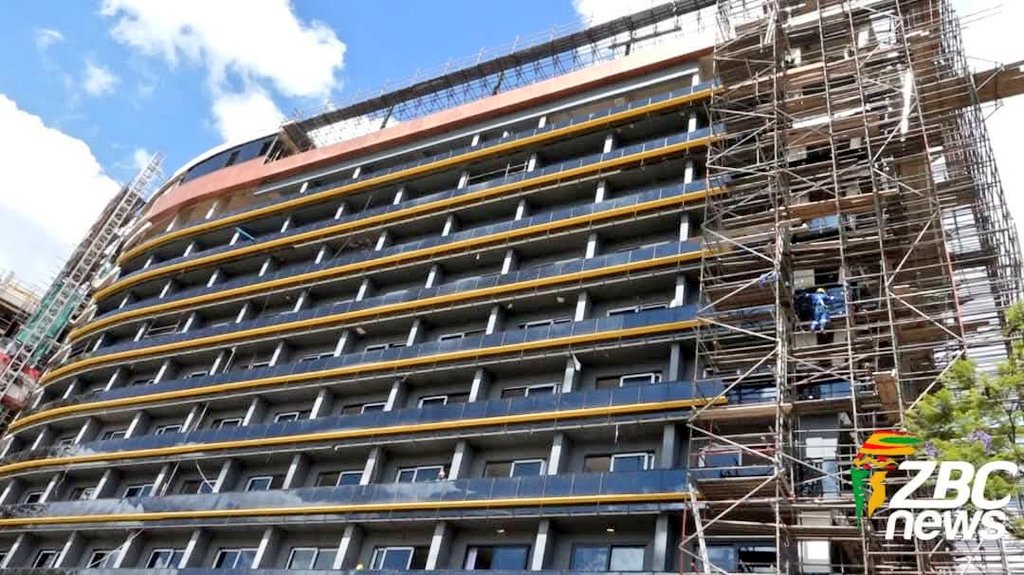
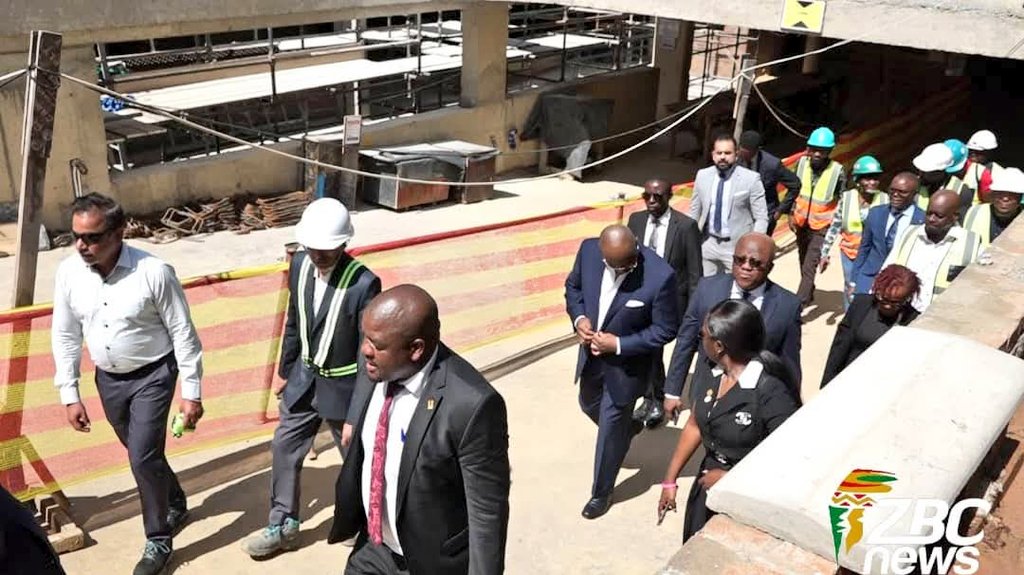
A high-level delegation from the African Export-Import Bank has applauded the remarkable progress on the new African Trade Centre rising in central Harare, a flagship project expected to open its doors early next year.

The complex, strategically positioned along Herbert Chitepo Avenue and Seventh Street, is being built through an investment of more than US$80 million wholly provided by Afreximbank. The development stands as a powerful endorsement of Zimbabwe’s economic direction and the confidence international partners continue to place in the country under President E.D. Mnangagwa’s leadership. More …

Rhodesians Mourning Rhodesia, Not Its Crimes

This morning, I came across a YouTube video titled “Rhodesian Armed Forces Memorial 2025.” At first glance, I dismissed it as the harmless nostalgia of ageing men gathered in South Africa, men trying, perhaps desperately, to resuscitate the fading ghost of a long-defeated order: an exploitative, authoritarian, racist colonial state called Rhodesia. I found myself wondering why such a commemoration even exists, let alone why it begins with a parade and a full-throated rendition of the Rhodesian anthem, as if time had not marched inexorably forward.

But several minutes in, the tone changed. The seriousness of the ritual, the symbolism woven into every gesture, the carefully curated language, all made it clear that this is not some sentimental reunion. It is an assertion of memory, identity and unresolved grievance. It is proof, undeniable, that diehard Rhodesians do not merely remember; they still believe. They inhabit an ideological echo chamber where Rhodesia lives on, not as history, but as an imagined lost paradise. More …

More Than a Road – The Economic Power of Infrastructure

Did You Know?

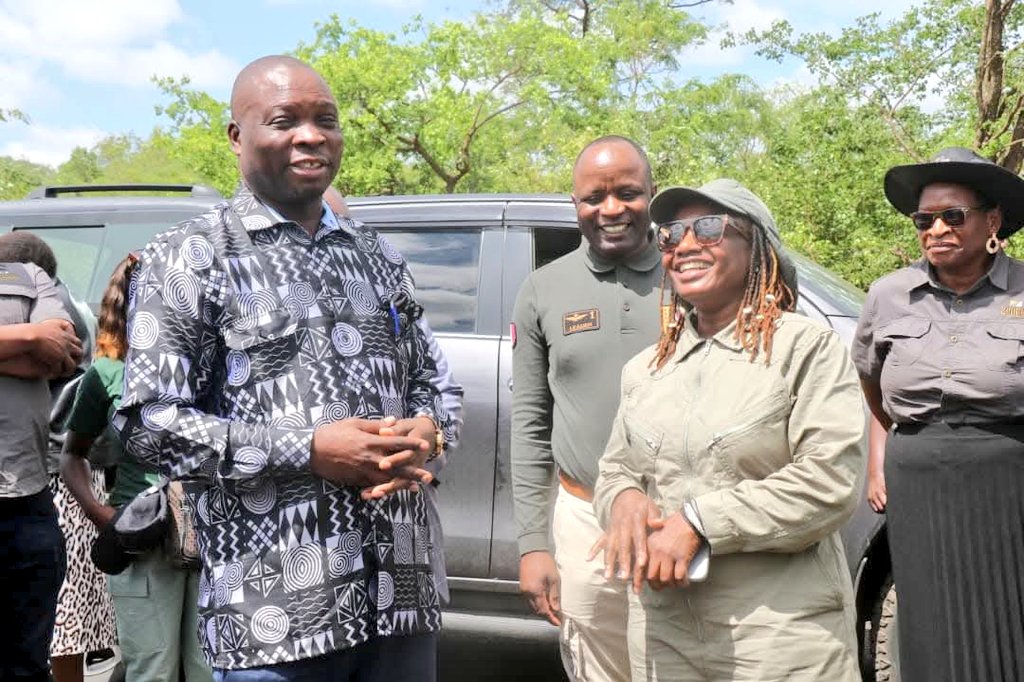
The rehabilitation of the Bulawayo-Victoria Falls Road is doing far more than upgrading a highway. It is reshaping local economies and strengthening communities. More than 800 people are now employed on the project, with over 80 percent drawn directly from the surrounding areas – meaning families are earning, local shops are thriving, and whole communities are being economically stimulated.

But the real story is bigger.

Across the world, nations that take infrastructure seriously unlock prosperity far beyond the construction site. China’s leadership, for example, transformed its economy through massive investments in highways and high-speed rail, creating supply-chain efficiency, stimulating tourism, and opening up rural areas to national markets. The United States did the same in the 1950s with the Interstate Highway System – a bold national investment that later became the backbone of America’s industrial dominance. More …