
Did You Know?
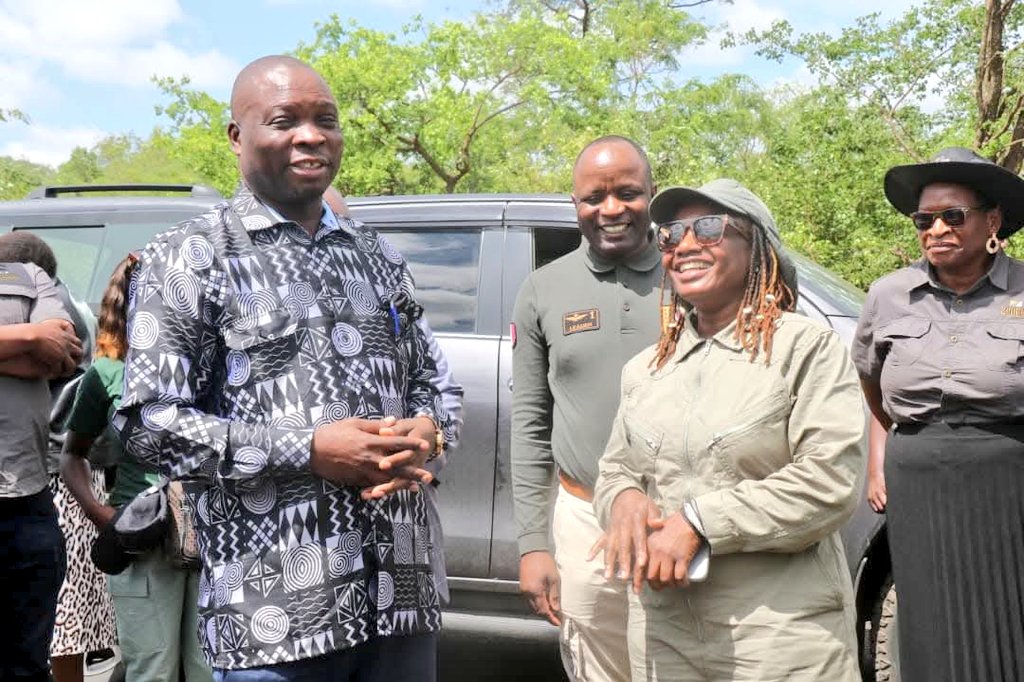
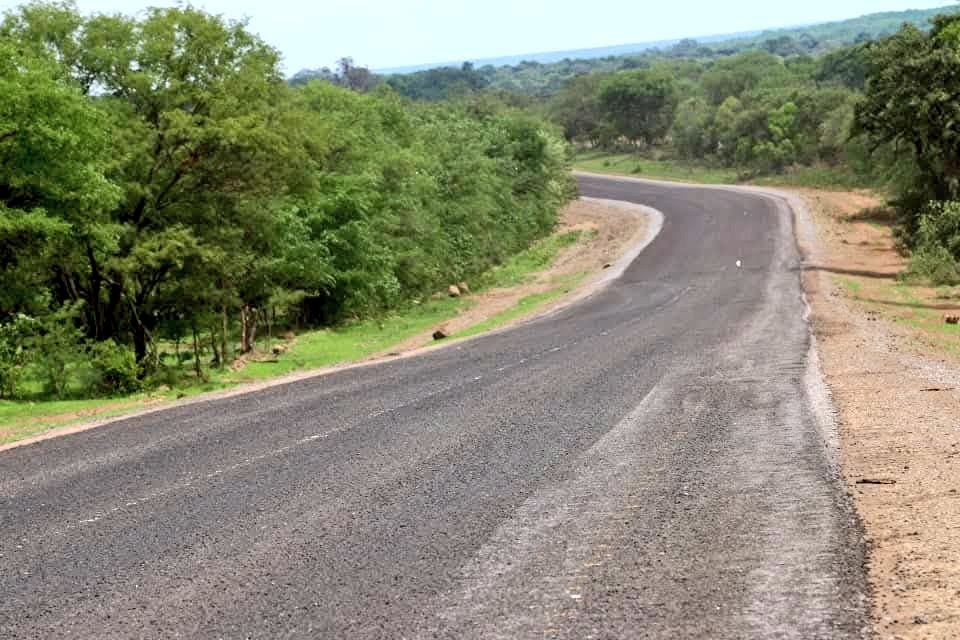
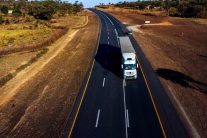
The rehabilitation of the Bulawayo-Victoria Falls Road is doing far more than upgrading a highway. It is reshaping local economies and strengthening communities. More than 800 people are now employed on the project, with over 80 percent drawn directly from the surrounding areas – meaning families are earning, local shops are thriving, and whole communities are being economically stimulated.
But the real story is bigger.
Across the world, nations that take infrastructure seriously unlock prosperity far beyond the construction site. China’s leadership, for example, transformed its economy through massive investments in highways and high-speed rail, creating supply-chain efficiency, stimulating tourism, and opening up rural areas to national markets. The United States did the same in the 1950s with the Interstate Highway System – a bold national investment that later became the backbone of America’s industrial dominance.
Closer to home, Rwanda’s rapid modernization of its road network has lowered transport costs, boosted agricultural earnings, and expanded access to health and education services. Ethiopia’s Addis-Djibouti Railway revitalised trade routes, slashing transportation times and powering industrial growth along its corridor.
Zimbabwe’s Second Republic is tapping into the same proven formula.
Every kilometre rehabilitated on the Bulawayo-Victoria Falls Road and others like it are not just a physical upgrades – they’re an investment in jobs, tourism, regional trade, and long-term national competitiveness. Roads connect people to opportunity, businesses to markets, and nations to prosperity.
This is what transformative leadership looks like: Infrastructure today, economic expansion tomorrow, and generational empowerment thereafter.













































Post a comment