

Zimbabwe’s political theatre has a habit of blurring intent and projection. In the case of Cde Kudakwashe Tagwirei, that distinction is now clear. His commitment to serving in the Central Committee is undisputed. Beyond that, he has neither declared nor suggested any ambition for higher office. Yet a growing chorus of unauthorised voices continues to draft him into contests he has shown no interest in running.
This is not mobilisation; it is indiscipline. One of the enduring ironies of political communication is that the “brand owner” often becomes the first casualty of his own supporters. By projecting their ambitions onto Tagwirei, these voices distort his disciplined posture and weaken the very brand they claim to defend.
This reality was reinforced during a recent private exchange. When I raised the speculative narratives circulating around his name, the response was not casual dismissal, but firm and principled disapproval. Succession gossip, I was told, is beneath anyone of sound reasoning. The Party’s roadmap is settled. It is not open to renegotiation through noise or online theatrics. Leadership questions are resolved through structure, not speculation.
So why does the noise persist?
The answer lies in our political culture. Across much of Africa, politics is too often treated as a marketplace rather than a system of governance. Leadership is measured not by policy depth or legislative contribution, but by perceived access to material distribution. In Zimbabwe, this distortion is deeply embedded. Political visibility is frequently mistaken for entitlement to farms, mines, or residential stands.
When a figure of Tagwirei’s financial weight enters this environment, the reaction is predictable. Opportunists scramble for proximity, not out of ideological alignment, but out of expectation. They amplify his name, believing volume will translate into leverage. In reality, they are campaigning for themselves, using his name as a battering ram. This is not loyalty; it is speculation disguised as support.
Ironically, such behaviour stands in direct contradiction to Tagwirei’s own posture, one defined by discipline, strategic patience, and respect for institutional process. Those who understand power know it is not accelerated by noise or theatrics. Influence is built quietly, within established structures, and aligned to national priorities.
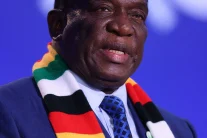
This moment therefore calls for restraint and political discipline. We must respect the hierarchy of our revolution. The only mandate that matters is the national one: the economic transformation agenda anchored in Vision 2030 under the leadership of President Emmerson Dambudzo Mnangagwa. Tagwirei’s role, like that of all loyal cadres, is to strengthen this vision, not distract from it.
Political maturity is measured by discipline, not decibels. Zimbabwe’s focus must remain singular: executing the development agenda entrusted to ZANU-PF and delivering an upper-middle-income economy by 2030. Anything else is theatre. And theatre, no matter how loud, has never built a nation.
















































Post a comment