Gold and FX Reserves Anchor ZiG Stability

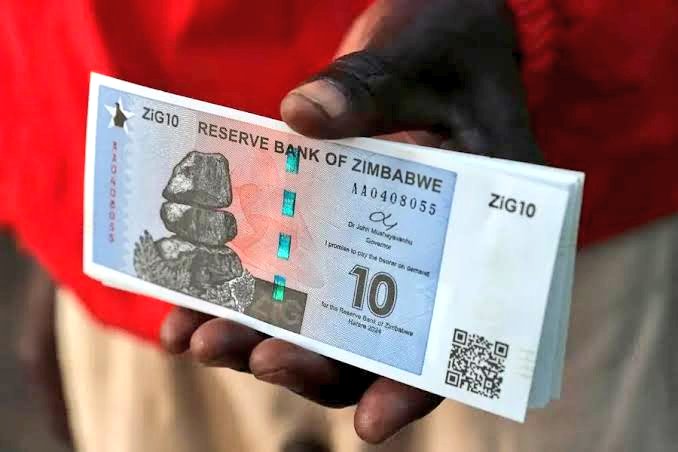
A combination of firming gold prices and a rise in foreign-currency holdings has bolstered confidence in the ZiG, reinforcing its exchange value.

Data published by the central bank shows the unit trading at US$25.98, its strongest level since early January.

Introduced in April 2024, the ZiG has shown notable resilience. Over the course of 2025, it has weakened by just 0.7 percent against the United States dollar, a performance that contrasts sharply with past episodes of currency volatility.

This relative stability is underpinned by hard backing. The ZiG is anchored by physical reserves of about 2.5 tonnes of gold, complemented by roughly US$100 million in foreign-exchange assets, a structure that has helped sustain market confidence in Zimbabwe’s evolving monetary framework.

Taken together, these indicators signal renewed national confidence and a cautiously optimistic promise as the country positions itself for 2026, with currency stability increasingly viewed as a platform for broader economic planning and growth.

Mocking the Rebuild, Forgetting the Fire

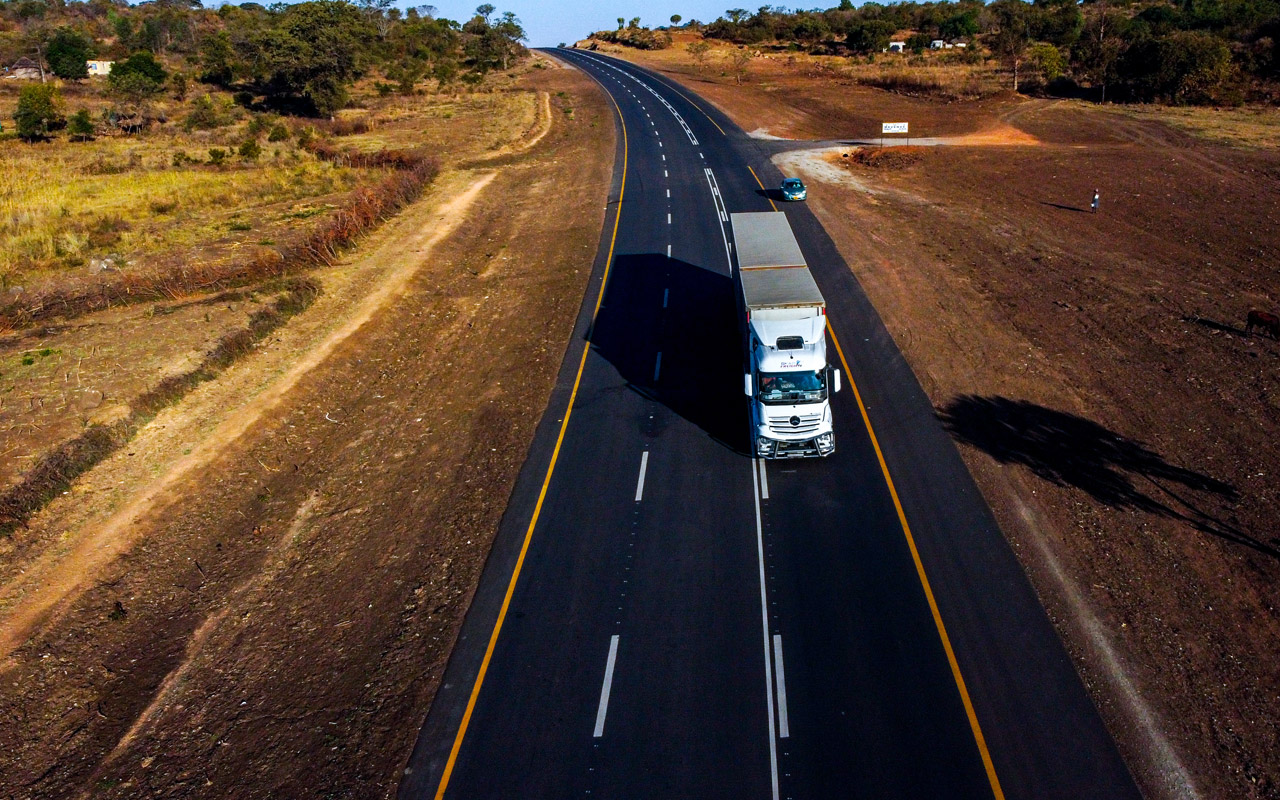
There is a peculiar ritual in Zimbabwe’s digital space – predictable; almost mechanical. You post a rebuilt road, a new clinic wing, a dam wall rising, or power units being restored – and someone arrives, right on cue, with the same sneer disguised as a question: “Where were you when the infrastructure you’re rebuilding today was collapsing?” It is not asked to understand, but to score points.

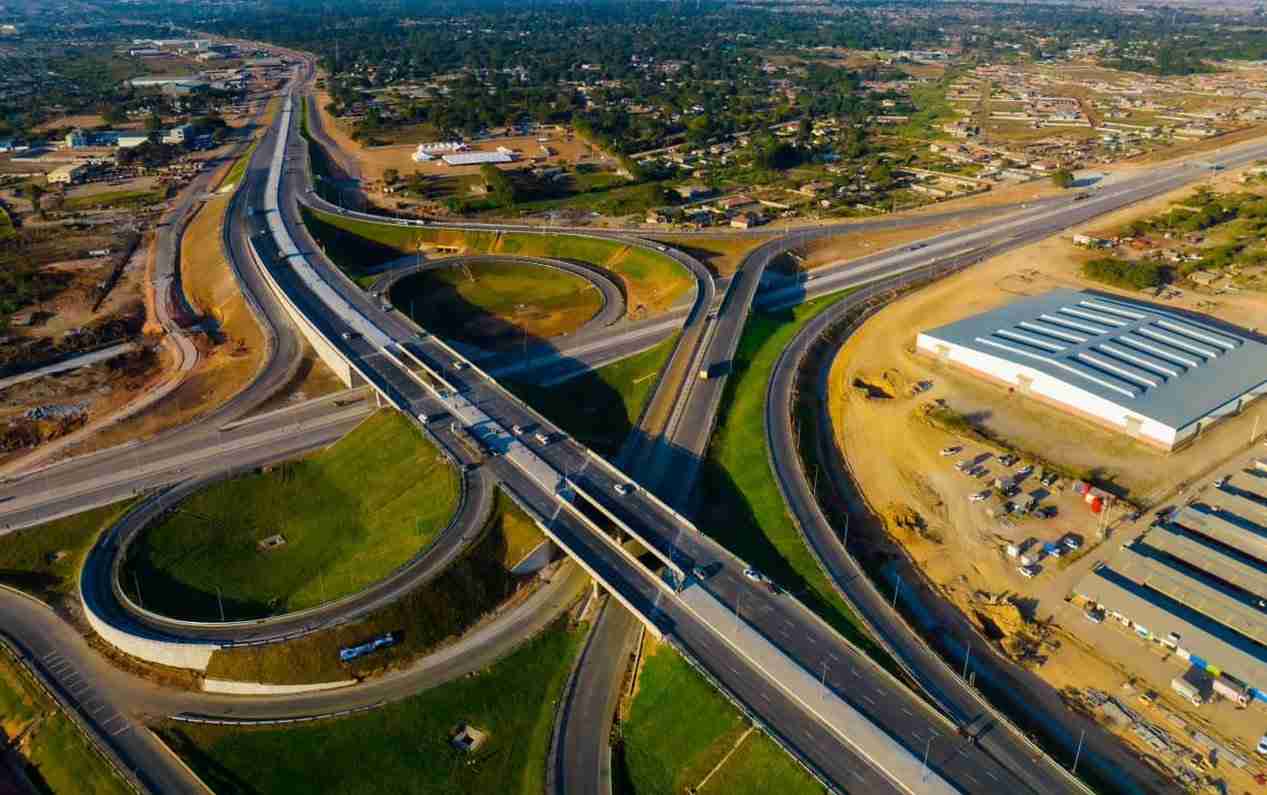
That question only sounds clever if we pretend infrastructure collapses for entertainment – as if highways, waterworks, hospitals, rail, and power stations simply wake up one morning and decide to die. A serious answer requires adult economics, not comment-section theatrics on Facebook and X. More …

If We Named Years Like We Used To, 2025 Would Be Gore rekuSimukira

There was a time when Zimbabwe did not merely pass through years – it named them.

A year carried intent. Direction. Instruction.

1978 was not just another page on the calendar; it was Gore reVanhu, the year the liberation struggle placed its faith squarely in the masses. 1980 was not simply Independence; it was Gore reMasimba kuVanhu, the year power returned to its rightful owners. 1982 became Gore reShanduko, the year of people-driven transformation. These names were not decorative poetry. They were historical assignments. They told the nation what the moment demanded of it.

Somewhere along the way, that tradition faded. We replaced meaning with matrices, resolve with reports, poetry with policy frameworks. Time became technical. Neutral. Unnamed. More …

Festive Season Road Carnage Claims 100 Lives as Accidents Surge – ZRP

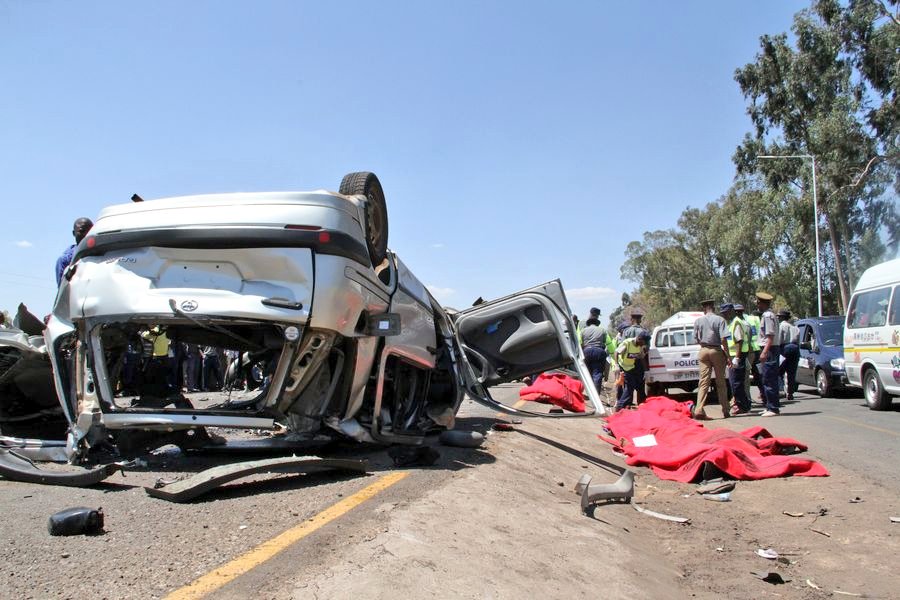
The Zimbabwe Republic Police has reported a sharp rise in road traffic accidents and fatalities during the 2025 festive season, with 100 people losing their lives between 15 and 26 December 2025.

According to the police, a total of 2 412 road traffic accidents were recorded during the period, almost double the 1 211 accidents reported over the same dates in 2024. Fatal accidents rose from 65 in 2024 to 87 in 2025, while the number of people injured increased from 401 to 471.

Among the fatalities, passengers accounted for the highest number of deaths (44), followed by pedestrians (37). Drivers (10), riders (4), cyclists (3), and scotch-cart operators (2) also lost their lives, underscoring the widespread impact of the accidents across all road user groups. More …

Zimbabwean Diaspora’s Role in National Growth

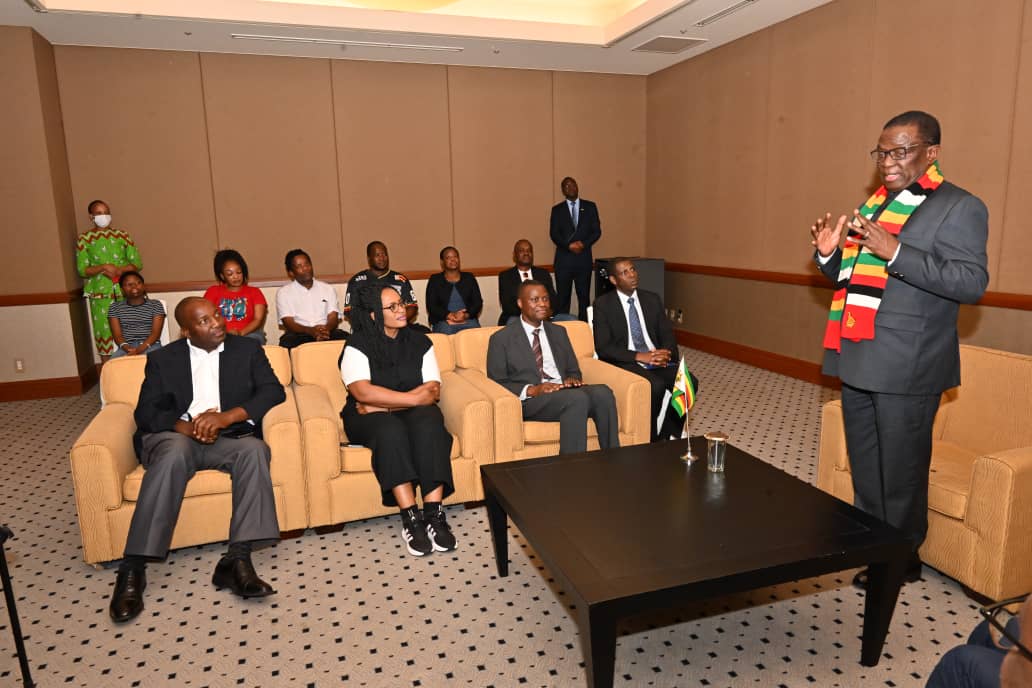
As 2025 draws to a close, President Emmerson Dambudzo Mnangagwa has delivered his Christmas and New Year message. In it, I noticed something subtle yet unmistakable. He spoke directly to Zimbabweans at home and in the diaspora. That single choice of words, directed at the diaspora, mattered. It was not a ceremonial flourish or a seasonal courtesy, but a clear signal that the Zimbabwean diaspora is no longer a distant audience observing events from afar. It is a central actor in the country’s economic story.

For too long, the diaspora has been described – and at times has described itself – in emotional terms: distance, longing, displacement, the hope of eventual return. That narrative is tired. More importantly, it is incomplete. The real story is economic, measurable, and already unfolding. In just the first nine months of 2025, remittances rose by more than 12 percent to US$2.1 billion, with annual inflows projected to exceed US$2.7 billion. At that scale, diaspora inflows are not supplementary. They stabilise households, support foreign-currency availability, and quietly keep the wheels of the economy turning.
More …