
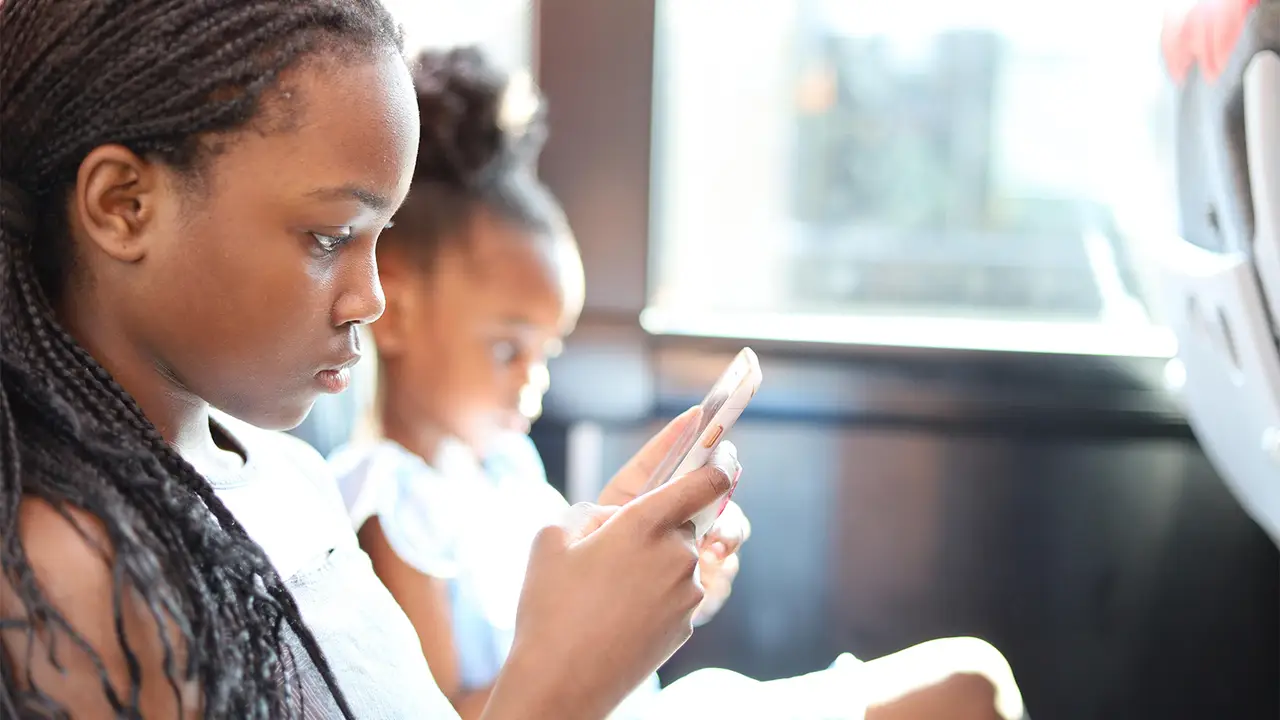
Childhood is not a beta test. Yet we have allowed it to become one – at scale, in public, and for profit.
In Britain, Sir Keir Starmer’s government has now drawn a line, insisting that “no platform gets a free pass” as it moves to close loopholes that allow illegal and harmful material – including AI-generated content – to circulate and target children. The direction of travel is unmistakable: the era of self-regulation, polite warnings, and parent-blaming is ending.
Zimbabwe should not wait to be lectured by tragedy. The argument is no longer whether social media carries risks for minors – it is whether the State has the courage to treat those risks as a child-protection issue, not a lifestyle debate. Australia has already operationalised that thinking by placing the burden on platforms to prevent under-16s from holding accounts, with the regime commencing on 10 December 2025.
A hard minimum age for social media is not “anti-technology”. It is pro-child. Children are not equipped to navigate pornographic material, predatory grooming, algorithmic radicalisation, cyberbullying, body shaming, and the synthetic intimacy of AI systems engineered to keep them scrolling. If a product predictably harms minors, we restrict minors’ access – we do not romanticise “digital resilience” and call it parenting.
And yes, there is a national interest. Social platforms are influence machines. They launder narratives, accelerate polarisation, and invite premature politicisation of children who have not yet formed stable identity, judgement, or values. A nation that cannot protect its children’s attention will eventually struggle to protect anything else.
Zimbabwean lawmakers should be blunt: under-16s should not hold social media accounts. Make platforms verify, enforce, and pay when they fail. Parents should not be left to fight trillion-dollar systems with good intentions and prayer.


















































Post a comment